By Arun Pratap Singh
Garhwal Post Bureau
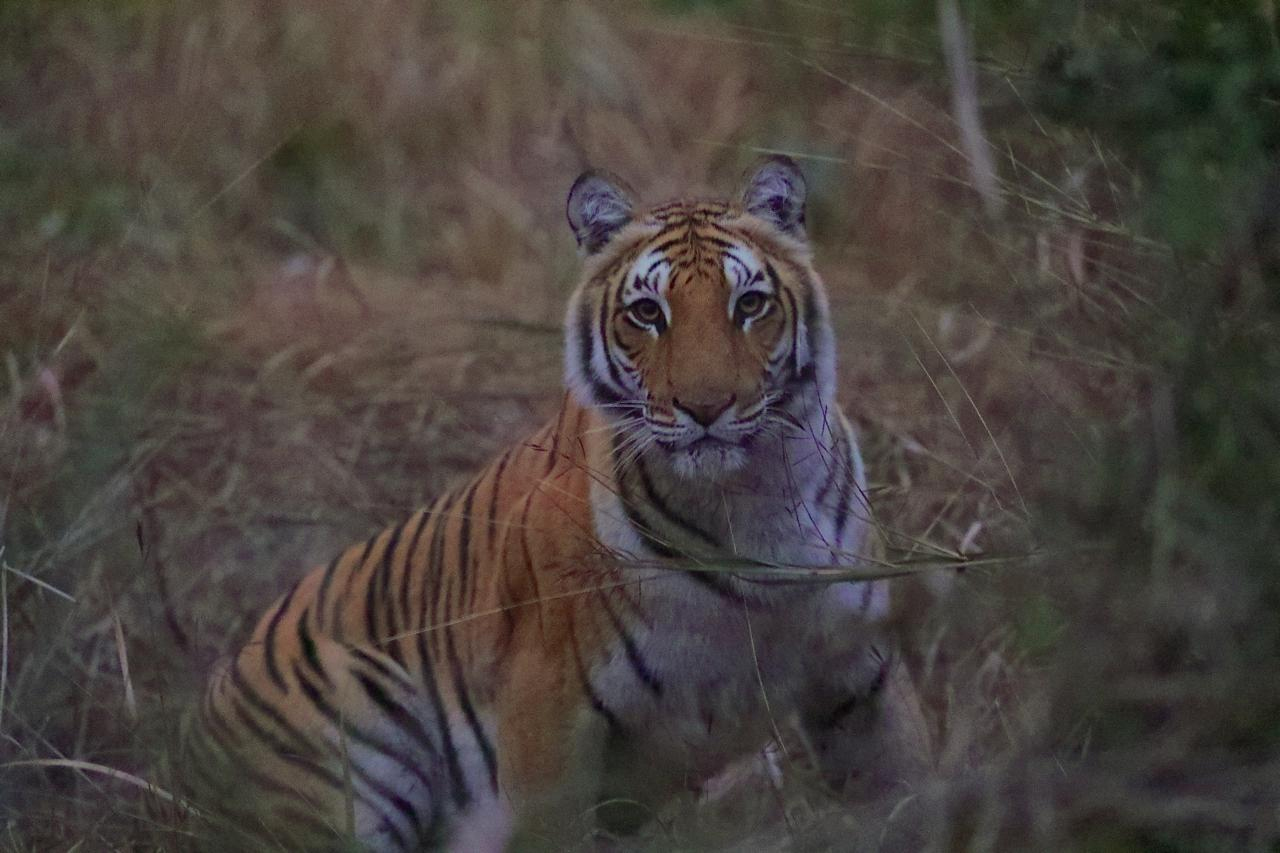
DEHRADUN, 20 Jun: After the success of the translocation of the first batch of tigers from Corbett Tiger Reserve to Rajaji Tiger Reserve, another batch of tigers may soon be translocated from Corbett Tiger Reserve to Rajaji Tiger Reserve. In this regard, preparations have begun for the second phase of the ambitious Corbett-Rajaji Tiger Translocation Project approved by the Uttarakhand government.
Speaking to Garhwal Post, Director of Rajaji Tiger Reserve, Dr Koko Rose confirmed the plan and said that the proposal in this regard has been forwarded to the Union government and the state is hoping for an early final approval of the plan. He however added that the process of approval takes time and it may be a few months before the fresh batch of tigers are translocated from Corbett Tiger Reserve to Rajaji. He also confirmed that the tigers would be translocated under a soft release plan under which, tigers once brought to Rajaji would be kept under observation in the temporary enclosures that have been set up at Motichoor range of forests. After some time, adopting the soft release technique, the tigers would be released into the forest. The project aims to balance the increasing tiger density in Corbett Tiger Reserve and establish a stable and healthy tiger population in the western part of Rajaji Tiger Reserve.
It may be reminded here that Corbett Tiger Reserve currently has a population of more than 260 tigers, resulting in a significantly high density of the big cats within the reserve and this high density often results in territorial contest between the tigers. Keeping this in view, the State government had approved a plan to reintroduce and establish more tigers in the western region of Rajaji Tiger Reserve. During the Phase One of the project, five tigers, including two males and three females, were successfully translocated from Corbett to western Rajaji. These tigers were closely monitored and have adapted successfully to their new habitat. Under Phase Two, a proposal has now been prepared for the translocation of five additional tigers to Rajaji.
The State government has forwarded the proposal to the National Tiger Conservation Authority (NTCA) for approval. The proposal is currently under consideration by the technical committee of the authority. Once clearance is granted, the translocation process will commence. The second phase envisages the relocation of two male and three female tigers from Corbett to Rajaji.
Speaking to Garhwal Post, Dr Koko admitted that one of the tigers relocated to Rajaji has shifted base to Dehradun Forest Range but it keeps coming back and has been trapped by the camaras installed at Rajaji National Park. He also reminded that on June 10, one tiger was also spotted in Paonta Sahib in district Sirmaur of Himachal Pradesh and it could possibly be one of the tigers from Rajaji Tiger Reserve. He also added that due to the new wildlife corridor in Mohand Range, wild animals from Rajaji and the surrounding forests have now access to larger forest area through this wildlife corridor that is below the elevated Delhi-Dehradun Expressway section in Mohand forest. Dr Koko stated that apart from the radio collars, camara traps are used to monitor the movements of the translocated tigers.
At the same time, Corbett Tiger Reserve Director Saket Badola shared that healthy and suitable tigers in the age group of five to eight years are generally selected for translocation. He said the selection process ensures that the chosen animals are capable of adapting to the new habitat and establishing their territories successfully after relocation.
Badola explained that there are two principal methods of tiger translocation. The first is the hard release method, under which a tiger is released directly into the new forest area. The second is the soft release method, where the animal is initially kept in a specially designed enclosure in the new habitat for a certain period to help it become familiar with the local environment, climate and conditions before being released into the wild. He said that the managements of both Corbett and Rajaji Tiger Reserves have decided to adopt the soft release technique for the proposed translocation.
He further informed that a large specialised enclosure has been prepared in the Motichur area of Rajaji Tiger Reserve for this purpose. The translocated tigers will be housed there during the initial stage, where their health, behaviour and movements will be continuously monitored. Once it is confirmed that the animals have fully adapted to the new environment, they will be released into the open forest.
Badola said monitoring continues even after the tigers are released into the wild. The animals are fitted with satellite-based radio collars, enabling wildlife authorities to track their movements and activities. Joint teams from Corbett and Rajaji Tiger Reserves carry out round-the-clock monitoring to ensure the success of the translocation programme.
The Forest Department believes that the project will help establish a strong and sustainable tiger population in the western region of Rajaji Tiger Reserve while also reducing ecological pressure on Corbett Tiger Reserve. Officials maintain that the initiative will further strengthen wildlife conservation efforts and improve long-term management of tiger habitats in both reserves.