Garhwal Post Bureau
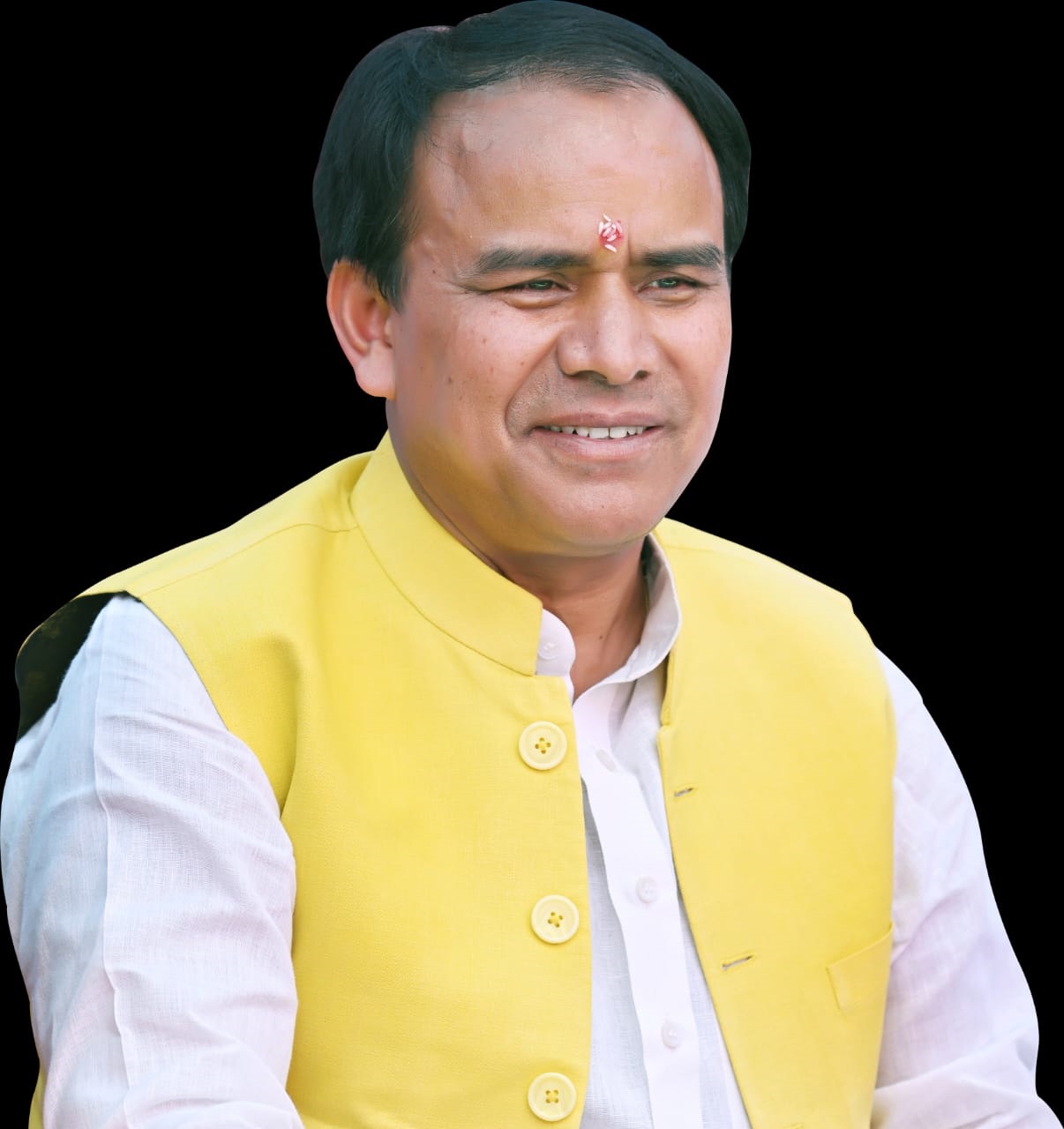
Dehradun, 24 Mar: “The state government aims to economically empower cooperative societies and take the cooperative movement to new heights. Concrete policies are being formulated and implemented to ensure that farmers, cultivators, artisans, and young entrepreneurs directly benefit from cooperatives,” stated Dr Dhan Singh Rawat, Cooperation Minister, today, in a press release.
He emphasised that the Government of Uttarakhand is undertaking extensive efforts through various schemes to strengthen multi-purpose cooperative societies across the state. Activities such as agriculture, millet procurement, sericulture, vegetable procurement, biofertiliser distribution, silage sales, and collective cooperative farming are not only increasing the income of cooperative societies but also economically empowering farmers and rural households.
Under the state’s Millet Mission, approximately 53,000 quintals of mandua (finger millet) have been procured through 214 procurement centers. This has generated around Rs 53 lakh in service charges for cooperative societies, calculated at Rs 100 per quintal.
Similarly, under the Chief Minister Ghasiyari Welfare Scheme, silage is being distributed through cooperative societies. Across 181 centers (96 in Garhwal and 85 in Kumaon), nearly 20,000 tonnes of high-quality silage have been sold, generating approximately Rs 63 lakh in income for these societies.
Through the Uttarakhand Cooperative Union, five cooperative societies in Tehri and Uttarkashi districts are directly procuring vegetables from farmers. So far this year, vegetables worth around Rs 1.50 crore have been procured and sold at better market rates, resulting in approximately Rs 3 lakh income for the societies. From April 1, this initiative will expand to 22 cooperative societies, offering a 2% profit margin.
Additionally, cooperative societies are actively engaged in the purchase and distribution of biofertilisers, generating around Rs 68.38 lakh in income for 14 societies.
Under the Madho Singh Bhandari Collective Cooperative Farming Scheme, unused land is being utilised to promote floriculture. Currently, rose and gladiolus cultivation is being carried out on about 500 nali of land in Chamoli and Pauri districts through cooperative societies, generating approximately Rs 10 lakh in income so far. A master plan is being prepared to scale up this initiative.
Under the paddy procurement program, 115 primary cooperative societies in the state have earned around Rs 63 lakh.
Sericulture is also playing a vital role in the cooperative sector. The Uttarakhand Cooperative Silk Federation facilitates the production of raw silk cocoons through its member sericulture societies and ensures 100% marketing support along with prompt payment for cocoon producers facing market challenges.
Currently, around 6,500 sericulture farmers are engaged in silk production in the state, out of which approximately 4,000 farmers supply nearly 25,000 kilograms of raw silk cocoons to the federation. These are utilised across the production chain to create a variety of silk products.
More than 150 weaving families are associated with the federation, generating over 15,000 man-days of employment annually.
In the financial year 2025–26, the Uttarakhand Cooperative Silk Federation produced silk goods worth approximately Rs 6.30 crore, while silk products worth Rs 2.53 crore were sold.
Managing Director of Uttarakhand Cooperative Union, Anand Shukla stated that continuous efforts are being made to connect farmers, sericulture growers, and weavers to markets through cooperatives. He emphasised that activities such as millets, vegetable procurement, biofertilisers, sericulture, and collective farming are significantly enhancing the income of cooperative societies, and these initiatives will be further expanded.