 By ANJALI NAURIYAL & ARUN PRATAP SINGH
A state’s greatest strength lies not merely in its geography or natural resources, but in the calibre, commitment and achievements of its people. It is individuals with vision, perseverance and a spirit of public service who shape institutions, drive economic growth, enrich culture, advance knowledge and inspire generations.
Their contributions collectively define the identity and progress of society.
As Garhwal Post celebrates a significant milestone, completing 20 years as a daily newspaper on 2 July, it is befitting to pay tribute to the men and women whose work has left a lasting imprint on Uttarakhand. Since the state’s formation, countless individuals from diverse fields have dedicated their lives to public service, governance, education, literature, science, healthcare, industry, sports, spirituality, social work, environmental conservation and the arts, helping shape the aspirations and achievements of modern Uttarakhand.
This special feature presents 60 distinguished personalities who continue to live and remain active in their respective fields. Their accomplishments have brought honour not only to Uttarakhand but also to the nation, while their commitment continues to inspire society. Though no list can ever be exhaustive, these personalities represent the extraordinary human capital that has contributed to the state’s growth, reputation and cultural richness.
Through this commemorative feature, Garhwal Post salutes their enduring legacy and celebrates the invaluable role they have played and still continue to play in strengthening the social, intellectual and moral fabric of Uttarakhand.
Politics & Governance
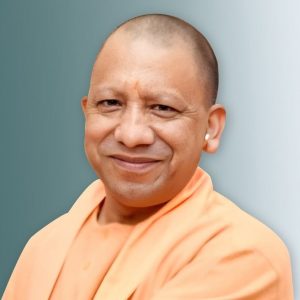
1. YOGI ADITYANATH (Chief Minister of UP)
Yogi Adityanath, born Ajay Mohan Singh Bisht on June 5, 1972, in Panchur village in Uttarakhand’s Pauri Garhwal district, is one of India’s most prominent political leaders. His early life in the hills of Uttarakhand shaped his disciplined personality and deep cultural grounding. He completed his Bachelor’s degree in Mathematics from Hemwati Nandan Bahuguna Garhwal University. In the early 1990s, during the Ayodhya movement, he became a disciple of Mahant Avaidyanath and moved to Gorakhpur, where he was initiated into the Nath monastic order. Over time, he rose to become the Mahant (head priest) of the historic Gorakhnath Math, blending spiritual leadership with public service.
Yogi Adityanath entered electoral politics at just 26 years of age when he was elected to the 12th Lok Sabha from Gorakhpur in 1998. He went on to represent the Gorakhpur constituency consecutively for five terms (1998–2017), establishing himself as a strong and grassroots connected parliamentarian. Known for his assertive speeches and organisational influence, he became a significant leader within the Bharatiya Janata Party (BJP).
On March 19, 2017, after the BJP’s landslide victory in Uttar Pradesh, Yogi Adityanath was appointed Chief Minister. He retained office following another decisive victory in the 2022 Assembly elections, becoming the only Chief Minister in Uttar Pradesh’s last 35 years to return to power for a second consecutive full term. He is also the longest-serving Chief Minister in the state’s history.
His governance style is marked by a strong “zero tolerance” policy toward crime and organised mafia. The demolition of illegal properties belonging to accused criminals and encroachers earned him the popular nickname “Bulldozer Baba”. His administration has prioritised infrastructure development, delivering mega-projects such as the Purvanchal Expressway, Bundelkhand Expressway, and Ganga Expressway, significantly boosting connectivity and economic growth. He launched Mission Shakti to enhance women’s safety, legal protection, and employment opportunities. Besides his political achievements, Yogi Adityanath remains deeply connected to Uttarakhand and frequently visits his ancestral village in Yamkeshwar Block in district Pauri.
Yogi Adityanath’s popularity currently ranks among the highest in India, alongside Prime Minister Narendra Modi and Home Minister Amit Shah. His rise from Uttarakhand’s hills to leading India’s most populous state has brought pride to his home state, reinforcing his image as a decisive and transformative leader.
* * * *
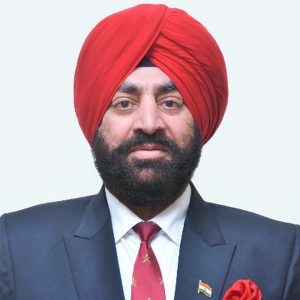
2. LT GEN GURMIT SINGH(Retd) Governor of Uttarakhand
Who has not been impacted by the charm and magnetic persona of our Governor Lt Gen Gurmit Singh, the 8th Governor of Uttarakhand.
Uttarakhand is lucky to have a governor who connects with the people instantly with his verbal affirmations that fill them with pride and nudge them to become the best versions of themselves. Prior to his gubernatorial appointment he had a distinguished career spanning nearly four decades in the Indian Army. He has served as deputy chief of army staff and served in commanding roles overseeing counter-terrorism operations and monitoring the LoC. A Border Specialist he has received several presidential awards.
As the constitutional head of Uttarakhand operating from Lok Bhawan he has prioritised organic and natural farming, empowered efforts related to women and girls’ education, introduced AI and technology in governance, helped mitigate the challenges of the hill population by encouraging reverse migration.
* * * *
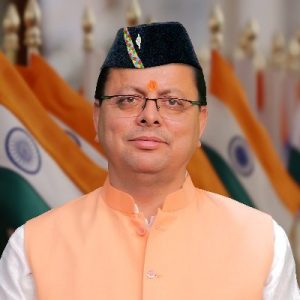
3. PUSHKAR SINGH DHAMI (Chief Minister of Uttarakhand)
Pushkar Singh Dhami, the 10th and current Chief Minister of Uttarakhand, has emerged as one of the most influential political leaders in the state’s contemporary history. Born on 16 September 1975 in Pithoragarh district, Dhami’s roots are deeply connected to the hills of Uttarakhand. His early life in a humble family shaped his understanding of the aspirations and challenges of the people of the state. He pursued higher education at Lucknow University, where he became actively involved in student politics. As a member of the Akhil Bharatiya Vidyarthi Parishad (ABVP), Dhami developed his leadership skills and built a strong political foundation in Lucknow. His student activism played a crucial role in shaping his political ideology and organisational abilities.
Dhami was first elected as an MLA from Khatima in 2012 and re elected in 2017. He became Chief Minister in July 2021 and, following the 2022 Assembly elections, continued in office with a strong public mandate. As of 2026, he has served nearly five years as Chief Minister. The government of Uttarakhand enjoys a strong mandate, and under Pushkar Singh Dhami’s leadership, the state has achieved several milestones.
His major achievements span historic legislative reforms and large scale infrastructure development. Uttarakhand implemented the Uniform Civil Code (UCC) under his leadership, along with stringent anti copying laws in recruitment examinations. He enacted laws against forced religious conversions and legislation to recover damages from those destroying public or private property during riots. His government cleared 12,000 acres of government and forest land from illegal encroachments, including unauthorised shrines and madrasas. In addition, Dhami is also credited with implementation of a very strict anti-copying law against rigging of competitive exams.
The BJP Government under Dhami claims to have driven industrial investments worth Rs 3.56 lakh crores and economically empowered over 254,000 women as “Lakhpat Didis”. He has promoted record tourism, advanced master plans for Kedarnath and Badrinath corridors, and accelerated mega projects such as the Rishikesh Karnaprayag rail line. Under his leadership, Uttarakhand secured the top ranking among Indian states in the NITI Aayog Sustainable Development Goals Index, reinforcing his image as a decisive leader steering the state toward progress.
* * * *
4. BHAGAT SINGH KOSHYARI
Bhagat Singh Koshyari is one of Uttarakhand’s most respected and influential political figures. A veteran BJP leader, he began his career as a grassroots educator and student leader, dedicating himself early to social service and public awareness. Over the decades, he emerged as a politician, journalist, and author whose contribution to Uttarakhand’s political and intellectual landscape has been remarkable. Recently honoured with the Padma Bhushan, his long public life reflects dedication to both state and nation.
Koshyari played a pivotal role in shaping Uttarakhand’s political journey. He served as the 2nd Chief Minister of Uttarakhand from 2001 to 2002 and was the first Leader of the Opposition in the first elected Legislative Assembly of Uttarakhand from 2002 to 2003. He also served as the BJP’s 3rd state president for Uttarakhand and later as National Vice President of the party. His parliamentary career is notable. He was a Member of the Rajya Sabha from Uttarakhand (2008–2014) and later elected to the 16th Lok Sabha from the Nainital–Udham Singh Nagar constituency. This distinction made him one of the few leaders elected to both houses of the State Legislature and both houses of Parliament.
The zenith of his career was his tenure as the 22nd Governor of Maharashtra from 2019 to 2023. In that constitutional role, he played a significant part during a politically dynamic period in the state.
A strong intellectual voice in the Uttarakhand movement, Koshyari authored books such as ‘Uttaranchal Pradesh Kyun?’ and ‘Uttaranchal Sangarsh Evam Samadhan’. He also founded the regional newspaper Parvati Piyush in 1975, earning recognition as a media pioneer.
Even today, he continues to exercise influence within the BJP. Importantly, Uttarakhand’s current Chief Minister Pushkar Singh Dhami is regarded as his protégé, reflecting Koshyari’s enduring legacy in guiding the state’s leadership.
* * * *
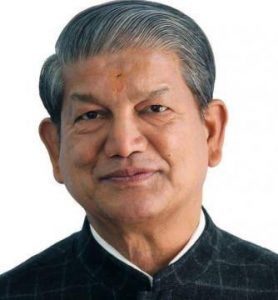
5. HARISH RAWAT
Born in Almora, Harish Rawat is a veteran Congress leader and is one of Uttarakhand’s most seasoned political leaders, whose career spans decades in both state and national politics. Born on 27 April 1948 in Almora district, he began his political journey at the grassroots level as a student activist, trade union leader and member of the Indian Youth Congress before rising through the ranks of the Congress organisation. His organisational abilities earned him important responsibilities in the Congress Seva Dal, where he served as the head of the Congress Volunteer Wing, contributing to the strengthening of the party’s cadre based structure across the country. He also held key positions in the Youth Congress and became a member of the All India Congress Committee, establishing himself as an influential national organiser.
Rawat represented the Almora Lok Sabha constituency three consecutive times in the Seventh, Eighth and Ninth Lok Sabhas before later serving as a Rajya Sabha member from Uttarakhand and subsequently winning from the Haridwar Lok Sabha constituency. At the Centre, he held several important ministerial portfolios under the Manmohan Singh led UPA government, serving as Minister of State for Labour and Employment, Parliamentary Affairs, Agriculture and Food Processing Industries before being elevated to Cabinet Minister for Water Resources. These assignments gave him considerable experience in governance and policymaking at the national level.
Following the creation of Uttarakhand in 2000, Harish Rawat had emerged as one of the principal architects of the Congress organisation in the new state. He served as President of the Uttarakhand Pradesh Congress Committee, helping consolidate the party during its formative years. In 2014, he became the Chief Minister of Uttarakhand and remained in office until 2017. Throughout his political career, Rawat has been closely associated with issues concerning the hill state, including regional development, agriculture, migration, employment and rural livelihoods. His long innings in public life, spanning legislative, organisational and executive responsibilities at both the national and state levels, has made him one of the most prominent political figures to emerge from Uttarakhand. He continues to be a very active in politics.
* * * *
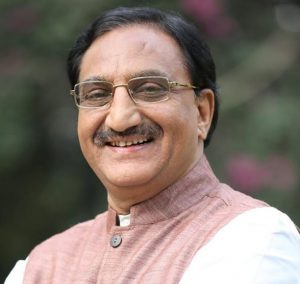
6. RAMESH POKHRIYAL ‘NISHANK’
Ramesh Pokhriyal ‘Nishank’, born in Pauri Garhwal, is a multifaceted personality who has made his mark as a politician, author, and educationist. A senior leader of the Bharatiya Janata Party, he served as Health Minister of Uttarakhand from 2007 till 2009 and then as Chief Minister of Uttarakhand from 2009 to 2011 and later as Union Minister of Education, where he oversaw key reforms including the launch of the National Education Policy 2020. Nishank is widely credited for implementation of the National Education Policy 2020. Earlier, he was also a minister of state in undivided UP for some time. He was a teacher as well for a while with RSS affiliated Saraswati Shishu Mandir. Besides being a successful politician, Nishank is also a prolific Hindi writer, with dozens of books to his credit, which reflect his literary sensibilities alongside his political career. His Uttarakhand roots have shaped his focus on education, culture, and development in Uttarakhand, and he has consistently championed the cause of regional identity and progress. One of his recent and widely discussed projects is establishment of the Lekhak Gaon in Thano in Dehradun. The Lekhak Gaon (Writers’ Village) project at Thano, near Dehradun, is one of the most distinctive literary and cultural initiatives associated with Ramesh Pokhriyal ‘Nishank’. Conceived by him, the 25-acre campus has been developed as India’s first Writers’ Village. Built in traditional Himalayan architectural style, it houses writers’ cottages, a library, museum, auditorium and cultural spaces amidst the serene Himalayan landscape. The project aims to preserve Indian languages, literature, folk traditions and the rich cultural heritage of Uttarakhand while offering an ideal environment for creative writing, research and intellectual dialogue.
Recognised for his contributions to politics and literature, Nishank embodies the blend of governance and creativity. His career reflects Uttarakhand’s aspirations for modernisation while preserving its cultural heritage, making him a significant figure in both public life and Hindi literature.
* * * *
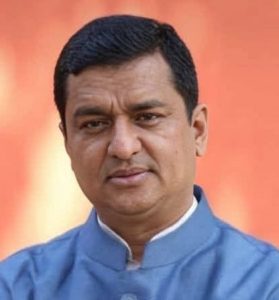
7. ANIL BALUNI
Anil Baluni is a prominent Indian politician serving as a Member of Parliament (MP) in the 18th Lok Sabha representing the Garhwal constituency in Uttarakhand. A senior leader of the Bharatiya Janata Party (BJP), he also serves as the party’s National Media Head and Chief Spokesperson.
Anil Baluni has long been a trusted strategist and organisational leader within the BJP, working closely with the central leadership. Appointed as the BJP National Media Head, he handles the party’s communication strategy, press releases, and media relations. Initially after completing a six-year stint in Rajya Sabha, he contested his first major direct election in the 2024 Lok Sabha polls. He successfully won the Garhwal seat by a margin of over 1.63 lakh votes against Congress candidate Ganesh Godiyal. He regularly raises local issues pertaining to infrastructure, disaster management, and regional development for the state of Uttarakhand.
* * * *
National Security & Defence
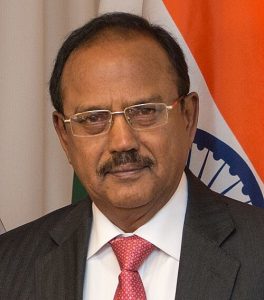
8. AJIT DOVAL
Ajit Kumar Doval is a highly decorated retired intelligence officer and bureaucrat who has been serving as the National Security Advisor (NSA) of India since 2014. Appointed by Prime Minister Narendra Modi, he is the longest serving NSA in Indian history and is currently serving his third consecutive term with a Cabinet rank. Often referred to as “India’s James Bond,” Doval is widely considered the chief architect of India’s contemporary defensive-offense security doctrine. His major contributions span decades of intelligence work and a sweeping overhaul of India’s national security doctrine. Prior to his stint as NSA, he spent over three decades within IB and was its Director from 2004 to 2005. He famously spent as many as seven years on an undercover espionage assignment in Pakistan posing as a local resident to gather critical intelligence. He has to his credit unthought of and unimaginable deep cover operations. He has displayed outstanding infiltration tactics and conflict resolution abilities with which he has saved India’s security interests countless times. His border policy for the country has proved super effective.
* * * *
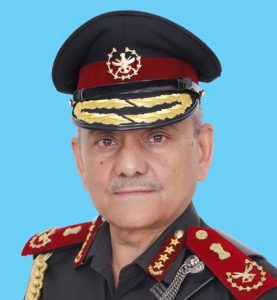
9. GENERAL ANIL CHAUHAN (Retd)
General Anil Chauhan is a retired four-star general of the Indian Army who served as India’s second Chief of Defence Staff (CDS). He assumed the office of CDS on September 30, 2022, filling the vacancy left by the tragic passing of India’s first CDS, General Bipin Rawat. Following an approved extension, General Chauhan officially superannuated from his military service on May 30, 2026, subsequently handing over charge of the CDS position to Lieutenant General NS Raja Subramani. He was Commissioned into the 6th Battalion of the 11th Gorkha Rifles in June 1981, commanded an Infantry Battalion (LoC), a Mountain Brigade, and the 19th Infantry Division. He served in several leadership roles: Served as GOC-in-C of the Eastern Command (2019–2021) and as Military Advisor to the NSCS before becoming CDS.
He was recalled from retirement to become CDS and Secretary of the Department of Military Affairs on September 28, 2022. His tenure will be remembered for leading initiatives on military modernisation, indigenisation, and the integration of armed forces into theatre commands. He concluded his service on May 30, 2026, after a tenure extension. His distinguished career earned him several high-level awards.
* * * *

10. ABHINAV KUMAR
Abhinav Kumar is a highly decorated senior Indian Police Service (IPS) officer of the 1996 batch. He is recognised for his leadership within the Uttarakhand Police force, where he most recently served as the acting Director General of Police (DGP) of Uttarakhand from November 2023 until late 2024.
After his officiating tenure as the state’s police chief, he handed over charge to Deepam Seth. Born in Bareilly, Uttar Pradesh, he attended The Doon School in Dehradun. He later graduated with a degree in Philosophy, Politics, and Economics from the University of Oxford. Before clearing the UPSC Civil Services Examination in 1996, he worked briefly as a journalist for India Today, developing strong communication and analytical skills. He began his policing career as an Assistant Superintendent of Police (ASP) in Dehradun in 1999. Later, he served as the Senior Superintendent of Police (SSP) for prominent regions like Dehradun and Haridwar and worked as the Inspector General (IG) for the Border Security Force (BSF) in the Kashmir Valley during the high-profile revocation of Article 370. He has also acted as the Additional Director General (ADG) of Intelligence and Security in Uttarakhand. Further he has formally served as the Additional Director General of Prisons. He has been formally cleared for promotion to the rank of Director General (DG), and the Appointment Committee of the Cabinet (ACC) officially empanelled him for central deputation to the rank of Additional Director General in the Government of India. He was awarded the President’s Police Medal for Distinguished Service (2022) and the Police Medal for Meritorious Service (2012).
* * * *
Spiritual & Religious Leadership
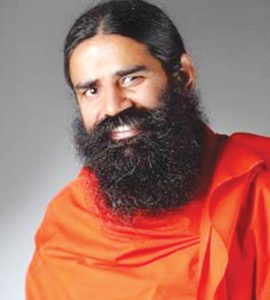
11. SWAMI RAMDEV
Swami Ramdev is the quintessential Yoga and Ayurveda master, who has garnered millions of followers not Swami Ramdev is the quintessential Yoga and Ayurveda master, who has garnered millions of followers not only within the country but also abroad. His meteoric rise to fame is ascribed to the fact that he promotes Yoga with a missionary zeal. He has surely put Uttarakhand on the world health map. The Divya Yoga Mandir Trust that he established in 1995 in Kankhal (Haridwar) has become a must visit destination for tourists. Through his trust, Ramdev began activities in health and spiritual pursuits and has cured many incurable diseases, winning an astounding fan following.
Thousands of people attend his Yoga camps today held all over India. Born in Alipur Gaon in Haryana in Mahendranagar district, Ramdev began doing Yoga at the age of nine. Later, just as a common man he began doing asanas. He then had no knowledge of Pranayam. Gradually he learnt that Yoga can keep his body fit and through Samadhi he said he began feeling closer to God.
He famously stated that he had reverence for Yoga within his heart and greatly benefited from it. He was knock-kneed and had a huge tummy due to some childhood illness. After he overcame all this his conviction in the efficacy of Yoga became stronger. Today, his identity is that of a sanyasi on a mission of promoting the ancient science of Yoga and Ayurveda.
His aversion to MNC products is well-known. He makes it a point to hit out at what he describes as “zero technology se bana videshi samaan’. MNCs, he believes, are destroying our Rashtriya Sampatti (national wealth). They spend Rs 100 crores and take away Rs 10,000 crores. They do no developmental work. They offer no health services. Neither do they give us their technology. He has been proved right in many ways.
Through his favourite project, ‘Patanjali Yog Peeth’, Ramdev hopes to serve humanity. “Patanjali Yog Peeth”, he states, “is a Rs 110 crore project. Its purpose is to alleviate the suffering of mankind from chronic and fatal diseases. The body can be healed and purified, by using the vast knowledge of ancient Ayurvedic system.”
* * * *
12. ACHARYA BALKRISHNA
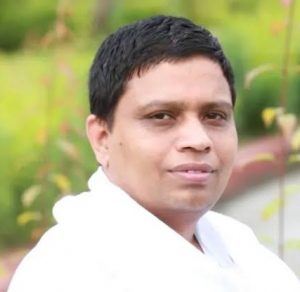
Acharya Balkrishna is today a billionaire businessman, Sanskrit scholar, and Ayurveda expert who serves as the chairman and managing director of consumer goods giant Patanjali Ayurved. Born in 1972, he co-founded the multi-billion-dollar enterprise alongside his close associate and prominent yoga guru, Baba Ramdev. While Ramdev is the public face of the movement, Balkrishna owns approximately 94% of the privately held company, anchoring its extensive business operations, scientific research, and global wellness initiatives. He drives the corporate strategy for Patanjali Ayurved, which manufactures thousands of products spanning herbal medicines, cosmetics, and packaged food items. He also serves as the chairman of Patanjali Foods. He is the founder secretary of the Patanjali Yogpeeth Trust and co established the Divya Yoga Mandir Trust in 1995 to popularise traditional yoga and wellness systems. In 2025, his integration of Ayurvedic knowledge with clinical methodology earned him a spot among the top 2% of scientists worldwide in a joint study by Stanford University and Elsevier. In May 2026, he was presented the “I AM PEACEKEEPER – Champion Health Award 2026” in Mumbai for his extensive work in global health promotion, peacebuilding, and holistic medicine. Balkrishna is highly regarded for compiling and digitising ancient Indian medical texts to create evidence-based standards for natural medicine. He has written more than 250 books covering Ayurveda, yoga, agriculture, and information technology. His book, Aushadh Darshan, has sold over 10 million copies globally, while The Science of Ayurveda has been translated into 71 languages. He spearheaded the formulation of the World Herbal Encyclopedia, a monumental research project documenting thousands of medicinal plant species. Balkrishna continues to lead major national and international wellness events. In June 2026, he co-led the mega 12th International Day of Yoga celebrations in Andhra Pradesh alongside Chief Minister N Chandrababu Naidu and Baba Ramdev, an event that set two simultaneous world records with over 1.07 crore participants. He also oversees the Patanjali Organic Research Institute, advancing sustainable agriculture by developing eco-friendly bio-fertilizers to improve rural economies.
* * * *
13. SWAMI AWADHESHANAND GIRI
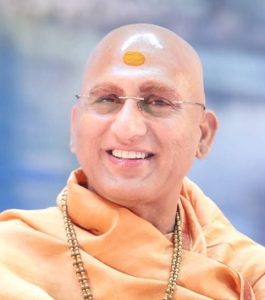
Swami Awadheshanand Giri, a revered spiritual leader, is deeply connected with Uttarakhand’s religious traditions. As Acharya Mahamandaleshwar of the Juna Akhara, he commands immense respect in Hindu monastic circles. Known for his discourses on Vedanta and dharma, he has represented India at global interfaith forums, promoting peace and spirituality. His Uttarakhand roots are reflected in his active role during the Kumbh Melas in Haridwar, where he leads millions of devotees. Recognised for his spiritual leadership, Swami Awadheshanand Giri continues to guide seekers across the world, embodying the Himalayan state’s ancient wisdom and its role in India’s religious life. His teachings emphasise moral values, self discipline, and service, making him a spiritual beacon. Through his leadership, he has ensured that Uttarakhand remains a centre of faith and pilgrimage, reinforcing its identity as a land of saints and sages.
* * * *
14. SWAMI KAILASHANAND GIRI
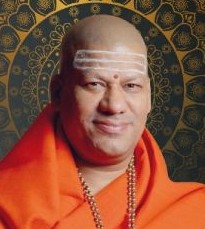
Swami Kailashanand Giri, based in Haridwar, is a prominent spiritual figure associated with the Niranjani Akhara. Known for his scholarship in Hindu scriptures and his leadership during Kumbh Melas, he has played a vital role in preserving Uttarakhand’s religious traditions. His discourses attract devotees from across India, and he is respected for his emphasis on moral values and spiritual discipline. Uttarakhand’s sacred geography, particularly Haridwar, has been central to his work, where he guides pilgrims and saints alike. Kailashanand Giri’s recognition lies in his contribution to sustaining the spiritual heritage of the Himalayas and nurturing faith among millions. His leadership during major religious gatherings underscores his influence in shaping Uttarakhand’s spiritual identity. By combining scholarship with service, he has ensured that the state’s traditions remain vibrant, making him a respected voice in India’s religious landscape.
* * * *
15. SWAMI YATINDRANAND GIRI
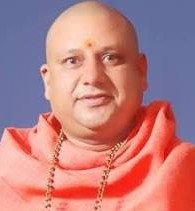
Swami Yatindranand Giri, a spiritual leader rooted in Haridwar, Uttarakhand, is known for his active involvement in social and religious causes. As Mahamandaleshwar of the Niranjani Akhara, he has been a vocal advocate for environmental protection of the Ganga and Himalayas. His Uttarakhand connection is evident in his leadership during Kumbh Melas and his efforts to uphold the state’s spiritual traditions. Yatindranand Giri has also engaged in interfaith dialogues, promoting harmony and national integration. His recognition stems from his dual role as a religious guide and a social reformer, embodying Uttarakhand’s blend of spirituality and activism. His initiatives highlight the importance of preserving natural resources while maintaining spiritual practices. Through his teachings and activism, Yatindranand Giri has reinforced Uttarakhand’s identity as a land where faith and ecology coexist, making him a respected figure in both religious and social spheres.
* * * *
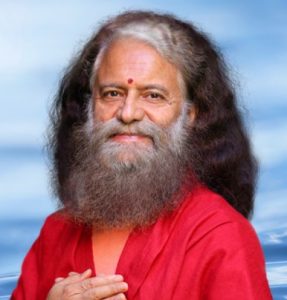
16. SWAMI CHIDANAND SARASWATI
Swami Chidanand Saraswati is the President and Spiritual Head of Parmarth Niketan Ashram in Rishikesh, one of the largest spiritual institutions in Uttarakhand. Renowned globally for his spiritual teachings, humanitarian work, and environmental advocacy, he has dedicated his life to serving society through faith-based leadership and social action. Under his guidance, Parmarth Niketan has become a global centre for yoga, meditation, interfaith dialogue, and community service, attracting visitors from across India and around the world.
Chidanand Saraswati has been deeply involved in initiatives promoting cleanliness, river conservation, and environmental awareness, especially through campaigns to protect and preserve the sacred Ganga. He has actively supported programs aligned with Swachh Bharat and water conservation movements, emphasizing the spiritual and ecological importance of nature. His leadership in organizing the internationally recognized Ganga Aarti at Rishikesh has helped strengthen Uttarakhand’s image as the “Yoga Capital of the World.”
In addition to spiritual discourse, he has championed education, healthcare outreach, women’s empowerment, and disaster relief efforts in Uttarakhand. During times of natural calamities, Parmarth Niketan has played a supportive role in relief and rehabilitation initiatives. Through a blend of spirituality and service, Chidanand Saraswati has contributed significantly to the social and cultural life of Uttarakhand, inspiring countless people toward spirituality, compassion, sustainability, and collective well-being.
* * * *
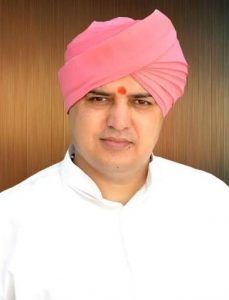
17. MAHANT DEVENDRA DAS
Mahant Devendra Das is one of Uttarakhand’s most respected spiritual leaders and the present head of the historic Shri Darbar Sahib, Dehradun. As the spiritual successor in the Shri Guru Ram Rai tradition, he has successfully combined religious leadership with an enduring commitment to education, healthcare and social service. Under his guidance, the Shri Guru Ram Rai (SGRR) Mission has evolved into one of the largest philanthropic organisations in Uttarakhand, serving society through schools, colleges, universities, hospitals and charitable institutions. His leadership has been instrumental in expanding quality education and public welfare across the state.
One of Mahant Devendra Das’s most significant contributions has been in the field of medical education and healthcare. The establishment and growth of SGRR Medical College and Shri Mahant Indiresh Hospital have transformed Dehradun into a major centre for medical education and specialised healthcare in North India. The medical college has produced hundreds of qualified doctors, while the hospital provides advanced, affordable and compassionate treatment to patients from Uttarakhand and neighbouring Himalayan states. These institutions have also generated employment, promoted medical research and strengthened the state’s healthcare infrastructure.
Mahant Devendra Das has consistently upheld the principle of ‘Seva Parmo Dharma’, encouraging service to humanity through education, healthcare, women’s empowerment and social welfare. He has promoted value-based education, environmental conservation, yoga and communal harmony while extending humanitarian assistance during natural disasters and public emergencies. His efforts have helped preserve the rich spiritual heritage of Dehradun while making the SGRR Mission a symbol of selfless service and inclusive development. Through his leadership, Mahant Devendra Das has made a lasting contribution to the educational, medical, social and cultural progress of Dehradun and Uttarakhand, earning widespread respect across religious, academic and public spheres.
* * * *
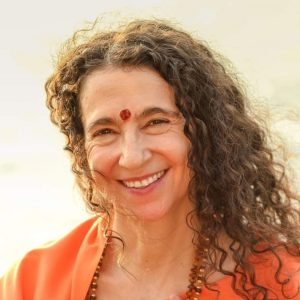
18. SADHVI BHAGAWATI SARASWATI
Sadhvi Bhagawati Saraswati, born and raised in Hollywood, California, represents a remarkable journey from the West to the spiritual heart of Uttarakhand. A graduate of Stanford University, she experienced a profound awakening on the banks of the Ganga in Rishikesh in 1996, which led her to renounce worldly life and embrace the path of sanyas under the guidance of Swami Chidanand Saraswati at Parmarth Niketan Ashram. In 2000, she was formally initiated into the monastic order, and since then she has become a prominent spiritual figure, blending her American roots with her deep commitment to Indian traditions.
From her base in Rishikesh, she has spearheaded numerous humanitarian and environmental initiatives. As Secretary General of the Global Interfaith WASH Alliance, she has worked to promote clean water and sanitation across India, while through the Divine Shakti Foundation she has advanced women’s empowerment, education, and healthcare in Uttarakhand. She also directs the International Yoga Festival, which draws participants from around the world. Recognised globally for her interfaith dialogue and service, Sadhvi Bhagawati Saraswati embodies the essence of East West spiritual harmony, standing as both a disciple and companion of Swami Chidanand Saraswati and a bridge between her American origins and her Himalayan home.
* * * *
Social Activism & Environment
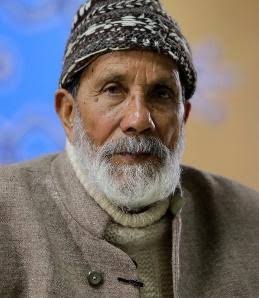
19. CHANDI PRASAD BHATT
Chandi Prasad Bhatt, born in Gopeshwar, Chamoli district, is a legendary environmentalist and social activist from Uttarakhand. He was a pioneer of the Chipko Movement in the 1970s, where villagers hugged trees to prevent deforestation, sparking a global debate on ecological conservation. Awarded the Padma Shri in 1982 and the Ramon Magsaysay Award in the same year, Bhatt dedicated his life to protecting the fragile Himalayan ecosystem. His Uttarakhand roots shaped his activism, as he witnessed first-hand the impact of deforestation on rural communities. Bhatt remains an iconic figure in India’s environmental history, symbolising grassroots resistance and ecological awareness. His work inspired policies on forest conservation and sustainable development. By mobilising local communities, he demonstrated the power of collective action. Chandi Prasad Bhatt’s legacy continues to influence environmental movements worldwide, making him one of Uttarakhand’s most respected sons.
* * * *
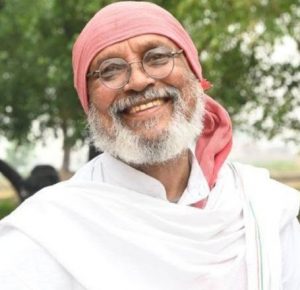
20. ANIL PRAKASH JOSHI
Dr Anil Prakash Joshi, is a renowned Indian environmentalist, green activist, and botanist known as the “Mountain Man” of India. He is celebrated for his decades of grassroots conservation work in the Himalayan region. He is an ecologist, social worker, and the founder of the Himalayan Environmental Studies and Conservation Organisation (HESCO) based in Dehradun, Uttarakhand. He conceptualised the Gross Environmental Product (GEP), an ecological growth metric parallel to GDP that evaluates a region’s economic growth through its environmental health. GEP was officially adopted by the Government of Uttarakhand in 2021. He pioneers the economic philosophy of “Local need meets locally”, advocating for self-reliant rural economies powered by community-managed local resources. He has successfully driven initiatives to revive dying mountain springs, restore rivers, modernise traditional watermills (Gharats) for rural electricity, and empower women through entrepreneurship platforms like WISE. For his vast contributions, the Government of India awarded him the Padma Shri in 2006 and the Padma Bhushan in 2020.
* * * *
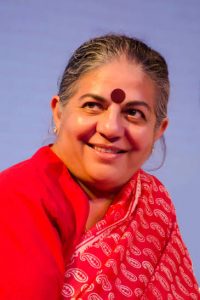
21. VANDANA SHIVA
Vandana Shiva is a world-renowned Indian scholar, environmental activist, eco-feminist, and food sovereignty advocate. Often referred to as the “Gandhi of grain”, she has spent over four decades campaigning for biodiversity, defending small farmers’ rights, and leading the global anti-GMO and alter-globalisation movements. She promotes the right of farmers to save, trade, and plant native seeds. She strongly rejects the patenting of seeds by corporate conglomerates. She advocates for traditional, organic farming methods over chemical intensive monocultures. Her initiatives have helped conserve thousands of varieties of indigenous crops. She centres women’s traditional knowledge as pivotal to sustainable agriculture and ecological balance, arguing that protecting the Earth is intrinsically linked to women’s empowerment.
She spearheaded legal battles against corporate patents on indigenous resources, successfully challenging the biopiracy of native elements like Neem, Basmati rice, and wheat.
Navdanya: Founded by Shiva in 1991, is a prominent non-profit movement that has established more than 150 community seed banks across India. It has trained over two million farmers in organic agriculture and regenerative practices.
* * * *
Sports & Mountaineering
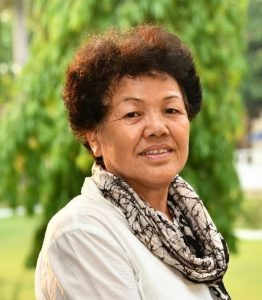
22. BACHENDRI PAL
Bachendri Pal is one of India’s most distinguished mountaineers and a towering symbol of courage, perseverance and women’s empowerment. Born on 24 May 1954 in Nakuri village of Uttarkashi district in present-day Uttarakhand, she grew up amidst the majestic Himalayas, where her fascination for mountains began at an early age. Despite financial hardships and prevailing social barriers, she pursued higher education, earning a Master’s degree and a Bachelor of Education before receiving professional mountaineering training at the Nehru Institute of Mountaineering in Uttarkashi.
On 23 May 1984, Bachendri Pal scripted history by becoming the first Indian woman to scale Mount Everest. Her successful ascent to the world’s highest peak brought international recognition to India and inspired generations of women to take up mountaineering and adventure sports. She displayed exceptional determination during the expedition, continuing her climb despite surviving an avalanche that injured several members of the team.
Deeply rooted in the culture and traditions of Uttarakhand, Bachendri Pal has remained closely associated with her home state throughout her career. She has consistently promoted the Himalayan region as a centre for adventure tourism, environmental conservation and mountaineering. Through her association with the Tata Steel Adventure Foundation, she has mentored and trained thousands of young people, including many aspiring mountaineers from Uttarakhand, encouraging them to pursue careers in adventure sports and outdoor leadership. Her initiatives have helped popularise trekking, rock climbing and mountaineering in the State while creating awareness about preserving the fragile Himalayan ecosystem.
In recognition of her extraordinary achievements, Bachendri Pal has been honoured with the Padma Shri, the Arjuna Award, the National Adventure Award and several other national honours. Regarded as one of Uttarakhand’s greatest icons, she continues to inspire generations through her commitment to excellence, leadership, environmental awareness and the empowerment of women, while serving as a proud ambassador of the State’s rich Himalayan heritage.
* * * *
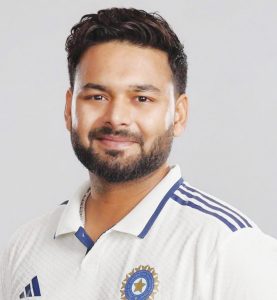
23. RISHABH PANT
Rishabh Pant, one of India’s most dynamic wicketkeeper batsmen, has carved a special place in international cricket with his fearless batting and match winning performances. Born in Roorkee but with ancestral roots in Kumaon Hills in Uttarakhand, Pant’s journey from the foothills of the Himalayas to the global cricketing stage is a story of determination and talent. His roots in Uttarakhand remain a source of pride for the state, which celebrates him as a symbol of youthful energy and achievement.
Pant made his mark early in domestic cricket and soon became a regular in the Indian team, known for his aggressive stroke play and ability to change the course of a match. His innings in Australia during the 2020 21 Border Gavaskar Trophy, particularly the heroic knock at the Gabba, is remembered as one of India’s greatest overseas triumphs. He has also played crucial roles in Test matches in England and South Africa, earning recognition as one of the finest wicketkeeper batsmen of his generation.
For Uttarakhand, Pant’s success has been inspirational, motivating young cricketers across the hill state to pursue the sport with passion. His achievements have brought national attention to the region, highlighting its contribution to Indian cricket. Honoured with the BCCI’s Emerging Player awards and celebrated for his fearless approach, Pant continues to be a beacon of pride for both Indian cricket and his native Uttarakhand, embodying the spirit of resilience and excellence.
* * * *
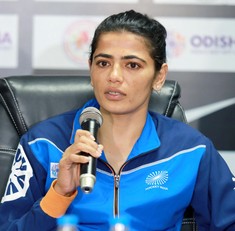
24. VANDANA KATARIA
Vandana Kataria, born in Roshanabad, Haridwar district, is a trailblazing Indian hockey player from Uttarakhand. A forward known for her speed and scoring ability, she has represented India in multiple international tournaments, including the Olympics. Kataria made history at the Tokyo 2020 Olympics by becoming the first Indian woman to score a hat trick in Olympic hockey. Her achievements brought immense pride to Uttarakhand, inspiring young girls to pursue sports. Recognised with the Padma Shri in 2022, she continues to be a role model for women athletes, symbolising Uttarakhand’s growing contribution to India’s sporting excellence.
* * * *
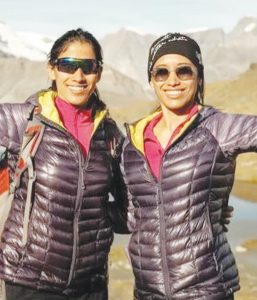
25/26. TASHI & NUNGSHI MALIK
Tashi and Nungshi Malik, popularly known as the “Everest Twins”, are Indian mountaineers who became the first twins and siblings to scale Mount Everest together. At just 23 years old, they cemented their names in exploration history by becoming the youngest adventurers ever to complete the Explorers Grand Slam—climbing the Seven Summits (the highest peaks on all seven continents) and skiing to both the North and South Poles.
Their key Record-Breaking achievements include First Twins on Everest: Scaled Mount Everest on 19 May 2013; the Seven Summits: Completed climbing the tallest peak of every continent by late 2014; Explorers Grand Slam: Reached the South Pole in December 2014 and the North Pole on April 21, 2015, on skis; and Eco Challenge Fiji. Represented India as team leaders in the world’s toughest multi-day adventure race hosted by Bear Grylls; Swiss Alps Milestone: Successfully scaled multiple 4,000 metre peaks as part of the Swiss 100% Women Peak Challenge.
Originally hailing from the Sonepat district of Haryana, India, the twins were born to an Indian Army officer, Col Virendra Singh Malik, and his wife Anjoo Thapa. Due to their father’s transfers, they lived a nomadic childhood attending nine different schools across India. They eventually settled in Dehradun.
* * * *
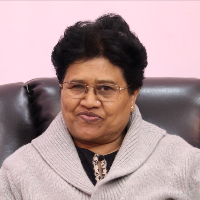
27. HARSHWANTI BISHT
Harshwanti Bisht, born in Uttarkashi, Uttarakhand, is one of India’s most accomplished women mountaineers whose roots in the Garhwal Himalayas shaped her lifelong passion for climbing. She was part of the historic 1984 Indo Nepalese expedition that saw Indian women summit Mount Everest, and she returned to scale the peak again in 1993, marking her as one of the few women worldwide to achieve the feat twice. In recognition of her achievements, she was honoured with the Padma Shri in 1994, a testament to her pioneering role in Indian mountaineering. Beyond her climbs, Harshwanti Bisht has contributed immensely to the promotion of adventure sports and conservation in Uttarakhand, and in 2021 she became the first woman president of the Indian Mountaineering Foundation, further cementing her legacy as a trailblazer from the Himalayan state. Her achievements are no less than those of Bachendri Pal.
* * * *
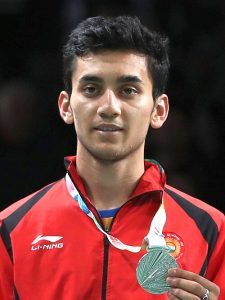
28. LAKSHYA SEN
Lakshya Sen is one of India’s brightest badminton stars and has emerged as a global sporting icon with deep roots in Uttarakhand. Born in Almora in 2001, he belongs to a family closely associated with badminton. His father, DK Sen, is a renowned badminton coach, while his elder brother Chirag Sen has also represented India. Lakshya received his early training before joining the Prakash Padukone Badminton Academy in Bengaluru, where his exceptional talent flourished.
He first attracted international attention by winning the Asian Junior Championship in 2018 and later became the World No. 1 junior player. Since then, he has captured several prestigious international titles, including the India Open Super 500 championship and a Commonwealth Games gold medal in the mixed team event besides a silver medal in men’s singles. He also won a bronze medal at the BWF World Championships and became one of the first Indian men’s singles players to reach the semi-finals at the Olympic Games, narrowly missing a medal at Paris 2024.
Lakshya has received the Arjuna Award in recognition of his outstanding achievements. Despite training outside the state, he proudly acknowledges his roots in Almora and continues to inspire thousands of young sportspersons across Uttarakhand, proving that talent from the Himalayan region can excel on the world stage.
* * * *
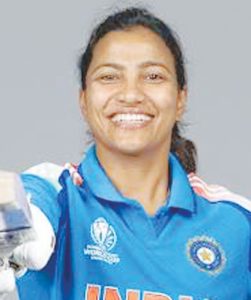
29. SNEH RANA
Sneh Rana, born on 18 February 1994 in Sinaula near Dehradun, is one of India’s most accomplished women cricketers and a proud representative of Uttarakhand. A right arm off break bowler and right handed batter, she has built her reputation as a dependable all rounder. Rana made her international debut in 2014, but her defining moment came in June 2021 when she claimed eight wickets on her Test debut against England, becoming the first Indian woman spinner to take a ten wicket haul in a Test. She was a key member of India’s 2025 ICC Women’s Cricket World Cup winning squad and has also played crucial roles in ODIs and T20Is, including a five wicket haul against South Africa. Domestically, she represents Railways and has featured in the Women’s Premier League for Gujarat Giants, Royal Challengers Bangalore and Delhi Capitals. Her journey from Uttarakhand’s hills to global cricketing success inspires countless young sportspersons from the region.
* * * *
Literature, Media, Music, Arts & Culture
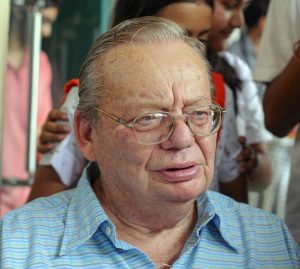
30. RUSKIN BOND
The lovable writer of books that celebrate the natural splendour of the Himalayas, Ruskin Bond is one of the first citizens of the state.
His fables can make all elders smile like children. The fame that Bond has earned for his hometown is unmatched. And the bond he shares with his readers is extraordinary.
Bond’s writings have a universal appeal yet he makes it a point to be deeply and intensely local. We see in his writings a kind of naiveté that made early lyrics of Wordsworth so deeply touching and moving. The conflict and turbulence of life around him he masterfully transforms into peace and love for the environment which has a healing touch.
It is to the hills that he has returned, time and again, for creative inspiration. Ruskin Bond is the recipient of the 1992 Sahitya Akademi Award for English Writing in India and the Padma Shri 1999 and Padma Bhushan 2014. The prolific writer who spent most of his childhood in Doon and Mussoorie and knows the place since the time he was a boy, has given a uniqe identity to the Doon Valley.
* * * *
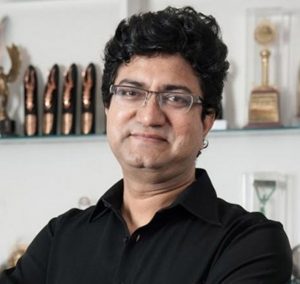
31. PRASOON JOSHI
Prasoon Joshi is a highly celebrated Indian poet, lyricist, screenwriter, and advertising corporate leader who serves as the Chairman of Prasar Bharati, India’s public service broadcaster. Appointed to the role by the Ministry of Information and Broadcasting, he previously headed the Central Board of Film Certification (CBFC). He is also the CEO and CCO of McCann Worldgroup India and Chairman of McCann Asia Pacific. Known for his deep cultural insights, he was awarded the Padma Shri in 2015 for his massive contributions to advertising, literature, and cinema.
* * * *
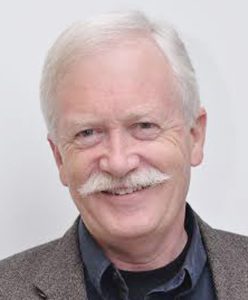
32. STEPHEN ALTER
Stephen Alter is among the finest contemporary writers in English associated with the Himalayan region and one of the most distinguished literary personalities linked to Uttarakhand. Born in Mussoorie in 1956 to American missionary parents, he spent his formative years amidst the hills that have remained the central inspiration of his writings. Educated at Woodstock School in Mussoorie and later at Wesleyan University in the United States, Alter returned to India to pursue a career in teaching and writing.
He served as Principal of Woodstock School before devoting himself entirely to literature. He is also a cousin of famous Bollywood actor Late Tom Alter. He is based in Mussoorie.
A prolific author, Alter has written more than thirty books, including novels, travelogues, biographies and works on Himalayan ecology, culture and mountaineering. His acclaimed titles include All the Way to Heaven, Neglected Lives, Wild Himalaya, Becoming a Mountain and The Cobra’s Gaze.
* * * *
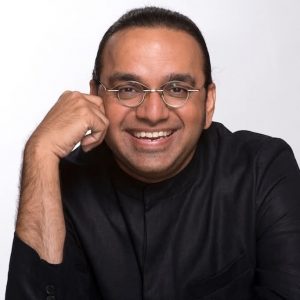
33. ANUPAM SHARMA
Anupam Sharma is a prominent Australian filmmaker, producer, and author of Indian origin who is widely recognised for pioneering film and cultural links between Australia and India. Based at Fox Studios in Sydney, he is the founder of the production and consultancy firm Films and Casting TEMPLE. Over his career spanning more than 25 years, his company has been involved in over 400 film, television, and advertising projects across both nations. He directed and produced the high-profile romantic comedy unINDIAN starring former Australian cricketer Brett Lee and actress Tannishtha Chatterjee. He directed the award-winning feature documentary The Run, as well as Brand Bollywood Downunder, which explores the historic and social impact of Indian cinema in Australia. Sharma has headed Australian production services for major Bollywood blockbusters shot down under, including Dil Chahta Hai, Heyy Babyy, and We Are Family. He also advised on Baz Luhrmann’s Moulin Rouge!. He serves as the Artistic Director of the National Indian Film Festival of Australia (NIFFA). Due to his contributions to arts and media, he was honoured as an Australia Day Ambassador for several consecutive years.
* * * *
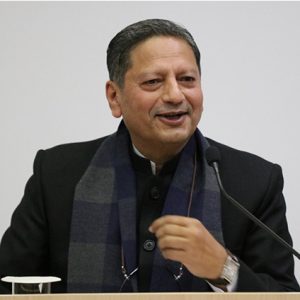
34. SANJEEV CHOPRA
Dr Sanjeev Chopra is the Founder and Festival Director of Valley of Words (VoW), an international literature and arts festival held annually in Dehradun, Uttarakhand. A distinguished historian, columnist, and retired Indian Administrative Service (IAS) officer of the 1985 batch, Dr Chopra previously served as the Director of the prestigious Lal Bahadur Shastri National Academy of Administration (LBSNAA). Through the Valley of Words Foundation Trust, he leads a non-profit initiative dedicated to celebrating the finest creative writing, translations, and art across India. Valley of Words features panel discussions, poetry sessions, and cultural exhibitions. VoW Book Awards is an annual honour recognising outstanding literary works across eight categories. This includes English and Hindi fiction, non-fiction, translations, and children’s literature. A core vision of the festival aims at driving students and youth to engage critically with literature. Ekam Vadati Pustakam: A prominent vertical focused on bridging India’s vast language diversity through a strong emphasis on translated works is his brainchild. He is author of We, the People of the States of Bharat: The Making and Remaking of India’s Internal Boundaries (2022) and The Great Conciliator: Lal Bahadur Shastri and the Transformation of India. Dr Chopra is also a renowned Columnist. He regularly contributes political, historical, and literary insights to national publications like Garhwal Post, The Print, Fair Observer, and The Millennium Post. He has been honoured with The Mahatma Award for his exceptional contributions to promoting writers, books, and literature through the VoW platform.
* * * *
35. ALOKE B. LAL
Aloke B Lal is a distinguished retired Indian Police Service (IPS) officer, bestselling true-crime author, painter, and TEDx speaker. He served an illustrious 37-year career in the police force, eventually retiring as the Director General of Police (DGP) of Uttarakhand. Career & Academic Background Education: He is a highly accomplished academic, graduating as a Gold Medallist with an M Tech degree from IIT Roorkee in 1974. Police Service: Joining the elite Indian Police Service, he helmed numerous highly challenging assignments over his three and-a-half-decade career. He famously led operations to dismantle a massive illegal narcotics network and bust notorious drug cartels in districts like Barabanki. Public Commentator: Following his retirement, he remains a regular and well-regarded voice in national media on internal security, law enforcement, and crime investigations. Literary & Artistic Work following his law enforcement career: Aloke B Lal transitioned into a prolific writer, documenting high-profile criminal cases from his time in uniform into bestselling books. Popular Books: His notable true crime works include The Barabanki Narcos, Murder in the Bylanes, On the Trail of Thugs and Thieves, Fangs of Death, Codename Stallion, and Mission Saudi. Art: Beyond writing, he is an accomplished painter whose original fine art pieces and prints are showcased and sold on platforms like Mojarto.
* * * *
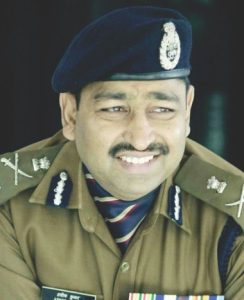
36. ASHOK KUMAR
Ashok Kumar is a prominent retired Indian Police Service (IPS) officer of the 1989 batch from the Uttarakhand cadre, who served as the Director General of Police (DGP) of Uttarakhand from November 2020 to November 2023. He is currently serving as the Vice Chancellor of the Sports University of Haryana.
He got his BTech and MTech from IIT Delhi. His early assignments in service include posting as Assistant Superintendent of Police (ASP) in Prayagraj and Aligarh. Later, he worked as Senior Superintendent of Police (SSP) across challenging districts including Mathura, Haridwar, Shahjahanpur, and Nainital.
He has played a key role in eliminating terrorism from the Terai region of Kumaon. He has served on central deputation with vital paramilitary wings like the Border Security Force (BSF) and Central Reserve Police Force (CRPF). He also served on a UN mission in strife-torn Kosovo in 2001. Leadership: He has held critical administrative positions like Chief of Crime, Law & Order, and Director Vigilance in Uttarakhand before reaching the apex post of DGP.
He has received the President’s Police Medal for Distinguished Service, Indian Police Medal for Meritorious Service, UN Medal for his peacekeeping service in Kosovo and Govind Ballabh Pant Award by BPR&D, Ministry of Home Affairs. Beyond policing, Ashok Kumar is a well-known mentor and author who has penned highly successful books including Human in Khaki and Cracking the Civil Services Examination: The Open Secret.
* * * *
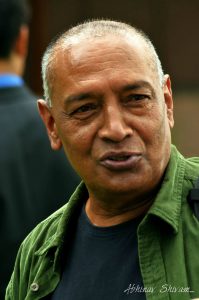
37. GANESH SAILI
Ganesh Saili is a critically acclaimed Indian author, photographer, columnist, and historian based in the hill station of Mussoorie, Uttarakhand. He is widely recognised for capturing the local lore, heritage, and scenic beauty of the Garhwal Himalayas through his extensive writings and visual storytelling. Travel writing, Himalayan history, mountain culture, and local Mussoorie folk tales are his forte.
He is a lifelong close friend of the legendary Indian author Ruskin Bond. The duo has spent nearly 60 years collaborating, archiving, and contributing to the mountain literary scene.
Born and raised in Mussoorie, his family has lived in the hill station for three generations, giving him a deep rooted perspective on how the region has evolved over decades. He also served as a college professor before dedicating himself fully to his creative pursuits.
He has authored and contributed to over two dozen books, many of which have been translated globally. Some of his most notable publications include: Ruskin Bond: The Mussoorie Years – A warm photographic and narrative tribute detailing his multi-decade friendship with Ruskin Bond. Gupp and Gossip from the Hills – A 2012 book published by Niyogi Books collecting the witty, humorous folk tales and modern oral histories of the Himalayan locals. Mussoorie Medley: Tales of Yesteryear A vibrant, illustrated anthology looking back at the vintage charm and historical anecdotes of the colonial hill station.
Letters of A Mussoorie Merchant– Co-edited alongside Ruskin Bond, chronicling historical transcripts from the mid-19th century.
* * * *
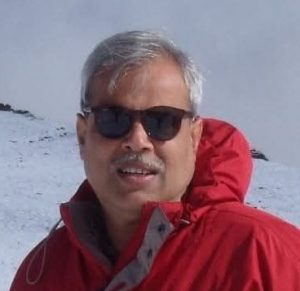
38. RAJEEV KUMAR SINGH
RK Singh is the driving force behind REACH, which has steered the Virasat Festival in Doon for decades now. This flagship multi-day cultural festival features a vibrant blend of Indian classical music, dance performances, traditional crafts, folk arts, and local heritage showcases. It serves as a key platform for renowned maestros as well as grassroots artisans. Singh spearheads the administration and multi-agency coordination needed to scale the festival globally. He regularly collaborates with state administrative bodies, tourism departments, and law enforcement to ensure smooth management of the massive event congregations.
* * * *
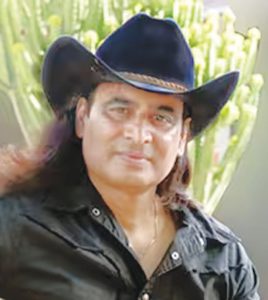
39. BOBBY CASH
Bobby Cash (born Bal Kishore Das Loiwal) is a pioneer of country music in India, famously known as “The Indian Cowboy”. Based in Clement Town, Dehradun, he holds the distinction of being India’s first international country music artist to chart singles abroad. He was raised in the foothills of the Himalayas, his connection to country music started at home. An aunt living in Nashville, Tennessee, regularly mailed the latest country vinyl records to his mother. Immersed in these sounds, Cash taught himself how to sing and play the guitar. He developed a unique guitar-picking technique and a warm, velvety baritone voice. He gained international recognition at the Tamworth Country Music Festival in Australia, subsequently charting singles on their country music charts. He is the subject of the documentary film “The Indian Cowboy… One in a Billion”, which aired on ABC Television in Australia and the Discovery Channel in India. Beyond English tracks, his discography includes Hindi country pop music, expanding the genre’s reach inside India. His recorded albums include Yeh Pyaar Hai, State Of My Heart, and Ashiyaan. Some of his most recognised tracks are “Budhau”, “Man Out On the Road”, “State Of My Heart”, and “Cry 4 U”.
* * * *
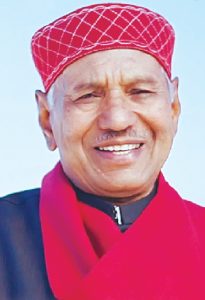
40. NARENDRA SINGH NEGI
Narendra Singh Negi is widely celebrated as the “Garh Ratna” (Jewel of Garhwal) and is the most prominent folk singer, composer, and poet from Uttarakhand.
Native of Pauri Garhwal, his extensive musical career spans over 50 years. He is revered for capturing the true ethos, culture, hardships, and socio political realities of the Himalayan region through his songs.
Born to an Indian Army officer, he was raised listening to traditional village folk singers. He composed his first song in 1974, deeply moved by the gruelling daily struggle of village women. He released his landmark debut album “Garhwali Geetmala” in 1976. Over his career, he has recorded more than 1,000 songs across 49 albums. His compositions blend themes of romantic love, profound nostalgia, regional heritage, migration crises, and political activism. He was honoured with the Global Brilliance Award at the House of Lords in London for his monumental role in keeping Indian folk music alive globally. His vast catalog can be explored through streaming platforms like the Narendra Singh Negi Spotify Profile and his Apple Music Page.
* * * *
41. PRITAM BHARTWAN
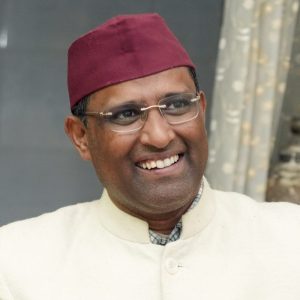
Pritam Bhartwan is an eminent Indian folk singer from Uttarakhand who is globally celebrated as the “Jagar Samrat” (Emperor of Jagars) for his revolutionary work in preserving and popularising the musical heritage of the Central Himalayas. He is widely recognised for mastering the ancient ritualistic Jagar and Dhol Sagar traditions of Uttarakhand. In recognition of his exceptional contribution to traditional folk arts, he was awarded the prestigious Padma Shri, India’s fourth-highest civilian honour, by the President of India in 2019. He specialises in Jagar, a traditional musical form used to invoke local deities and spirits, transforming an oral ritual into an internationally recognized musical genre. Beyond his soulful vocals, he is highly proficient in traditional Pahadi instruments, including the Dhol, Damau, Hudka, and Daur Thali. Over his decades-long career, he has recorded more than 1,000 folk songs spanning across 30 to 50 music albums. He serves as a visiting guest lecturer at major international institutions, including the University of Cincinnati and the University of Illinois, where he teaches Pahadi folk music traditions. To pass down fading oral traditions to the youth, he founded the Hem Lok Kala Kendra, an institute dedicated to teaching traditional art forms.
* * * *
42. JUBIN NAUTIYAL
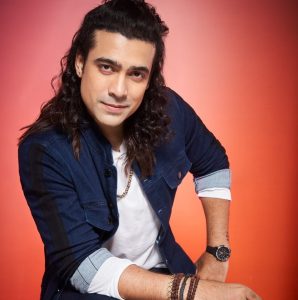
Jubin Nautiyal is a highly celebrated Indian playback singer and live performer known for his soulful, romantic ballads and captivating vocals. He has established himself as one of Bollywood’s premier vocalists. Born and raised in Dehradun, Uttarakhand, to parents Ram Sharan Nautiyal and Neena Nautiyal, he built a strong foundation in classical music and learned multiple instruments during his time at Welham Boys’ School. In 2011, he auditioned for X Factor India and was initially rejected by judge Sonu Nigam. Today, Jubin considers that rejection a blessing that shaped his journey, and maintains a close, brotherly bond with Nigam. He made his official playback debut with the song “Ek Mulaqat” from the film Sonali Cable. He gained widespread fame with “Zindagi Kuch Toh Bata” from Bajrangi Bhaijaan, winning him the Upcoming Male Vocalist of the Year at the Mirchi Music Awards. His multi lingual discography spans across films and major streaming platforms.
* * * *
43. ANUPAM TRIVEDI
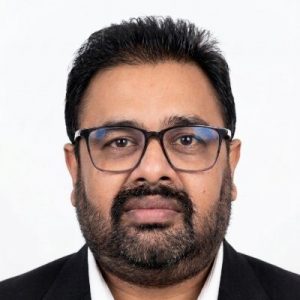
Anupam Trivedi is a senior journalist based in Dehradun with more than two decades of experience in reporting on Uttarakhand. Over the years, he has been associated with leading national media organisations, including Hindustan Times and News18, and has earned recognition for his in-depth coverage of politics, governance, environment, disaster management, wildlife conservation and social issues concerning the Himalayan state. His reporting has consistently highlighted matters of public interest and brought important developments in Uttarakhand to a national audience.
Known for balanced, factual and field-based journalism, Trivedi has extensively covered elections, legislative affairs, environmental challenges, human-wildlife conflict, infrastructure development and policy initiatives. His work reflects a deep understanding of the state’s geography, society and governance, making him one of the prominent voices reporting from Uttarakhand. Through investigative reporting and analytical news coverage, he has contributed to informed public discourse on issues affecting both urban and rural communities.
* * * *
44. ANOOP BAJPAI
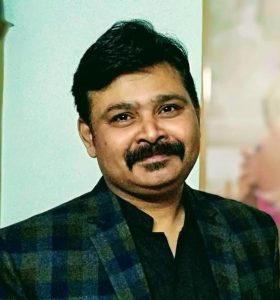
Anoop Bajpai is currently Editor of Amar Ujala, Dehradun. He is a senior journalist and media professional who has played an important role in strengthening regional journalism in Uttarakhand. Under his editorial leadership, Amar Ujala has consistently highlighted issues of public concern, including governance, education, healthcare, environment, disaster management, migration, tourism and rural development. He has encouraged responsible journalism that gives voice to local communities while bringing state issues to the attention of policymakers and the wider public. He has also promoted literary and cultural initiatives, including campaigns to encourage reading habits and creative writing among students, reflecting his commitment to social awareness beyond conventional news reporting.
.* * * *
Cinema, Television & Entertenment
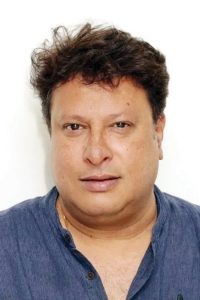
45. TIGMANSHU DHULIA
Tigmanshu Dhulia is an acclaimed Indian film director, actor, screenwriter, and dialogue writer celebrated for his gritty, realistic portrayals of the Hindi heartland. An alumnus of the National School of Drama (NSD), he has carved a distinct niche in Hindi cinema both behind and in front of the camera. Key Details & Background Born: 3 July 1967 in Allahabad (now Prayagraj), Uttar Pradesh. Education: Master’s Degree in Theatre from the National School of Drama (1989). Career Beginnings: Started his career as a casting director for the landmark film Bandit Queen (1994) and wrote the dialogues for Mani Ratnam’s acclaimed romance drama Dil Se.. (1998). Major Work as a Director: Dhulia is widely recognised for bringing raw, socio-political narratives to mainstream Indian cinema. Haasil (2003), was his directorial debut. A dark, powerful drama centred around student politics in Allahabad that attained cult status over the years. Saheb, Biwi Aur Gangster (2011): A critically acclaimed romantic thriller detailing royal deceit and power struggles, which spawned a successful franchise. Paan Singh Tomar (2012): A biographical sports drama starring Irrfan Khan. The film won the National Film Award for Best Feature Film and earned Dhulia widespread international praise. Recent Projects: His later directorial entries include the historical drama Raag Desh (2017), the action-drama Yaara (2020), and the emotional drama film, The Promise. Iconic Acting Roles: While highly regarded as a filmmaker, Dhulia is also immensely popular as an actor Ramadhir Singh in Gangs of Wasseypur (2012). His portrayal of the cold, calculating politician-gangster in Anurag Kashyap’s duology remains one of modern Indian cinema’s most legendary villainous roles. Other Notable Performances include those in films like Shahid (2012), Zero (2018), Raat Akeli Hai (2020), and the 2026 romantic comedy Pati Patni Aur Woh Do.
* * * *
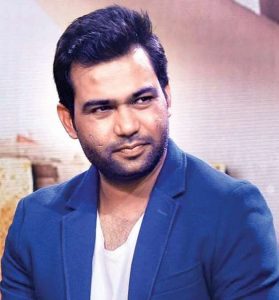
46. ALI ABBAS ZAFAR
Ali Abbas Zafar is a prominent Indian film director, screenwriter, and producer best known for directing some of Bollywood’s biggest commercial blockbusters. Born in Dehradun, Uttarakhand, he graduated from Delhi University’s Kirori Mal College before entering the film industry. He initially worked as an assistant director for Yash Raj Films (YRF) on movies like New York and Badmaash Company before making his directorial debut. He is widely recognised for his collaborations with superstar Salman Khan, directing major box office successes such as Mere Brother Ki Dulhan, Gunday, Sultan and Tiger Zinda Hai, Bharat and Bade Miyan Chote Miyan. Beyond the silver screen, Zafar created and directed the political drama web series Tandav for Amazon Prime Video. He also runs his own production house, AAZ Films, under which he produces regional and mainstream entertainment projects.
* * * *
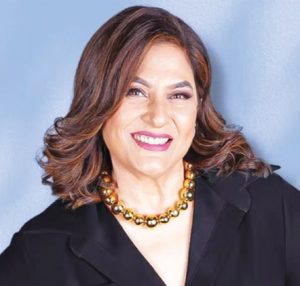
47. ARCHANA PURAN SINGH
She was a small town girl from the sleepy little town of Dehradun who made it big in Bollywood. She may have been dubbed cacophonous as a comedienne but carved a niche for herself that has made Doon proud. She is equally adept in her negative roles and even as a compere, and along with her husband, Parmeet Sethi, makes a formidable production house team. Her fans remember how she had set the screen ablaze in her very first film Jalwa. The role was initially written for Dimple Kapadia but it was Archana who was destined to do the role.
Post Jalwa, Archana began playing the item girl before establishing herself as an effervescent compere with Lux Kya Scene Hai on telly.
Years later she was able to don the “hot look” with amazing ease. She won the hearts of cinegoers in Karan Johar’s ‘Kuch Kuch Hota Hai’ as Miss Breganza and as Karisma Kapoor’s sexy stepmother in Dharmesh Darshan’s film, Pardesi. She is today in the stage of her career where she can do a variety of roles with equal élan. The Kapil Sharma Show is made wholesome by her presence. Her two sons and her husband make her world complete.
* * * *
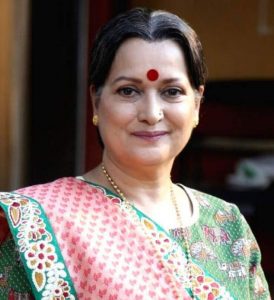
48. HIMANI BHATT SHIVPURI
Himani Bhatt Shivpuri was born and brought up in Dehradun. She did her schooling from Dehradun as her father Shri Haridutt Bhatt was a teacher of Hindi at The Doon School. Himani Shivpuri hails from Bhawani village (in Chamoli) and is a graduate in Science. But it was her love for acting that dominated in her life throughout and led her to take admission in the National Acting Institute in Delhi. From being a stage actress in Delhi, Himani soon achieved her desire of acting in Hindi films.
Himani Shivpuri has acted almost all the films of most leading production houses, including Rajshri Productions. She also wants Uttarakhandi Theatre to flourish in the same way as Bengali theatre has. Khullam Khula Pyaar Karenge and Bachelor are amongst her latest films.
Shivpuri made her television debut in 1989 with the film, ‘In Which Annie Gives It Those Ones’, wherein her co-star was Shahrukh Khan. As a supporting actor she has done a variety of roles and has starred with some of the biggest names in Bollywood.
She has played a doctor in Hum Aapke Hain Kaun, a cold-hearted villain in Koyla and an eccentric aunt in Pardes. Some of her memorable roles include a cameo in the blockbuster Dilwale Dulhania Le Jayenge, and in Kuch Kuch Hota Hai. She has worked for many production houses including Yash Raj Films, Rajshri Films and Dharma Production.
* * * *
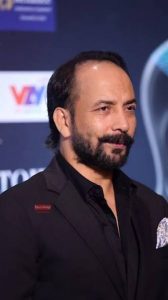
49. DEEPAK DOBRIYAL
Deepak Dobriyal is a highly acclaimed Indian film and theatre actor widely recognised for his versatile performances in the Hindi film industry. He is best known for his breakthrough comedic performance as “Pappi Ji” in Tanu Weds Manu and its blockbuster sequel, as well as his critically praised intense roles in films like Omkara and Sector 36. A native of Pauri Garhwal, Uttarakhand, Dobriyal began his acting career in Delhi in 1994 as a theatre performer under the guidance of prominent director Arvind Gaur at the Asmita Theatre Group. He spent over six years dedicated to serious theatre, appearing in notable plays such as Tughlaq, Andha Yug, and Court Martial, before transitioning to NK Sharma’s Act One theatre group. He made his on-screen Bollywood debut with a brief appearance in Vishal Bhardwaj’s critically acclaimed crime drama Maqbool.
His notable performances are in Omkara, Tanu Weds Manu series, Hindi Medium & Angrezi Medium, Bhediya, Sector 36 and Ikkis.
He is a recipient of several awards including – Special Performance Award for Omkara, Best Supporting Actor for Angrezi Medium, Best Supporting Actor (Web Original Film) for Sector 36, IIFA Award for Best Performance in a Comic Role for Tanu Weds Manu Returns and Best Supporting Actor (Digital) for Sector 36.
* * * *
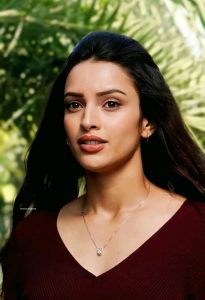
50. TRIPTII DIMRI
Triptii Dimri is an acclaimed Indian actress who has quickly become one of Hindi cinema’s most versatile and popular talents. Initially gaining critical acclaim for deeply emotional, nuanced roles, she skyrocketed to mainstream fame as India’s “National Crush” following her breakout role in the action blockbuster Animal.
Born in New Delhi, India (originally from Garhwal, Uttarakhand), she graduated in Psychology from Sri Aurobindo College, Delhi University, before training at the Film and Television Institute of India (FTII). Pune. She has featured in Forbes India’s “30 Under 30” (2021) and is winner of a Filmfare OTT Award.
After debuting in Poster Boys (2017), she captured critical praise in the tragic romance Laila Majnu (2018). She then cemented her standing as a powerful dramatic actor in the period-supernatural films Bulbbul (2020) and Qala (2022). Her supporting role as Zoya in Animal (2023) turned her into an overnight national sensation. She successfully parlayed this fame into high-profile commercial blockbusters like Bad Newz (2024), Vicky Vidya Ka Woh Wala Video (2024), and Bhool Bhulaiyaa 3 (2024). She subverted her glamorous commercial image by playing an intense, grounded role tackling the caste system in Dhadak 2. She also starred alongside Shahid Kapoor in the gritty romantic thriller O Romeo and earned widespread praise for her dark comedic timing opposite Madhuri Dixit in Maa Behen. She is set to star opposite Prabhas in Sandeep Reddy Vanga’s highly anticipated action-thriller Spirit.
* * * *
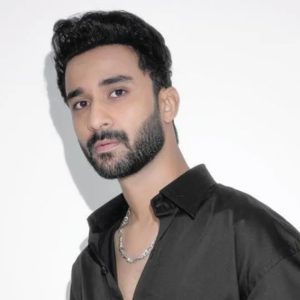
51. RAGHAV JUYAL
Raghav Juyal is a celebrated Indian actor, dancer, choreographer, and television presenter, universally hailed as the “King of Slow Motion”. Born in Dehradun, Uttarakhand, he rose to nationwide fame as a contestant and finalist on Zee TV’s dance reality show Dance India Dance Season 3 under his stage moniker “Crockroach”. He revolutionised the Indian dance scene by creating and mastering surreal slow-motion dance styles and his trademark “Slow Motion Walk”. Over the years, he successfully transitioned from being a reality television star and comic host to a critically acclaimed mainstream actor.
He has trained extensively under veteran acting mentor Saurabh Sachdeva. While Raghav initially entered Bollywood through dance-centric roles, he underwent a massive career reinvention by taking on gritty, intense, and negative characters. Raghav shocked audiences and critics alike with his phenomenal performance as Fani, the ruthless, psychotic main antagonist in the violent action-thriller Kill. His performance was widely praised as menacingly brilliant and earned him the IIFA Award for Best Performance in a Negative Role.
In The Paradise he marks his high-profile entry into South Indian cinema as the primary antagonist opposite Telugu superstar Nani. The makers recently unveiled his intense first-look teaser, introducing him as the character Vikram Maalik. He earned further acclaim starring in Bads of Bollywood a dark Netflix series, solidifying his range beyond the “dancer” stereotype.
Initially he made his acting debut in Sonali Cable and starred in popular commercial movies like ABCD 2, Street Dancer 3D, and Kisi Ka Bhai Kisi Ki Jaan. Raghav’s infectious humour, quick wit, and self-deprecating comedy made him a powerhouse television host. He served as the iconic face and host of the hit reality series Dance Plus across multiple seasons.
* * * *
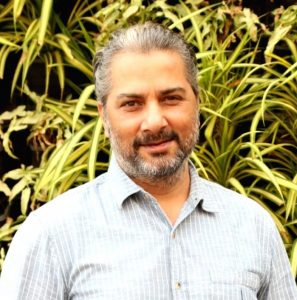
52. VARUN BADOLA
Varun Badola is a highly acclaimed Indian actor, writer, and director who is widely recognised as one of the most versatile and consistent performers in Hindi television. Known for his method-acting approach, he has successfully transitioned from iconic television serials to prominent roles in popular OTT web series and mainstream Hindi cinema. He is married to actress and singer Rajeshwari Sachdev. His family hails from Garhwal, Uttarakhand, and his late father, Vishwa Mohan Badola, was a veteran artist and journalist. His sister, Alka Kaushal, is also a well known television actress. Badola initially started his career assisting filmmaker Tigmanshu Dhulia as an assistant director and costume coordinator before moving completely into acting. He rose to immense fame with his portrayal of a mentally challenged character in Koshish – Ek Aashaa. He delivered widely appreciated performances in landmark daily soaps like Astitva… Ek Prem Kahani, Des Mein Nikla Hoga Chand, and Mere Dad Ki Dulhan. He has seamlessly transitioned to digital platforms with major projects. He earned critical acclaim for his performance in the thriller series Undekhi.
His filmography includes acting roles in movies like Haasil, Charas, Mickey Virus, and Fraud Saiyaan. Beyond acting, he has written scripts and dialogues for shows like Aek Chabhi Hai Padoss Mein.
* * * *
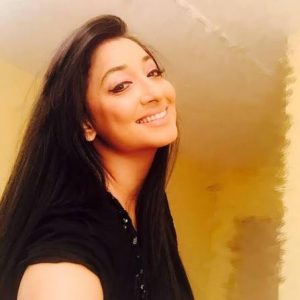
53. SHRUTI PANWAR
Her’s is a familiar face on ads, TV, as an anchor, role of a mother, wife, etc. She is another Doon girl who carved a place for herself in the glamorous world of television and movies. She began acting while she was a student in Doon. Here she was part of Avikal Theatre Company started by her future husband Alok Ulfat. Shruti began her career in ’97 with a TV series for Tanuja Chandra called ‘Mumkin’. Thereafter ads came her way and she began selling practically every new product launched. She has built a prominent multi-decade career portraying highly impactful and charismatic characters in mainstream Hindi entertainment. She gained widespread fame through classic soap operas like Sasural Gainda Phool, Jamai Raja and Thoda Hai Thode Ki Jaroorat Hai. She portrays the character of Vidya in the long-running hit series Yeh Rishta Kya Kehlata Hai. Her filmography features prominent assignments including War Aankhon Par, Gala, and the comic drama, Tera Kya Hoga Lovely. Beyond acting, she has successfully hosted public interest and non-fiction television programming including DD National’s flagship shows Stree Shakti and Saab Ji.
Education & Academia
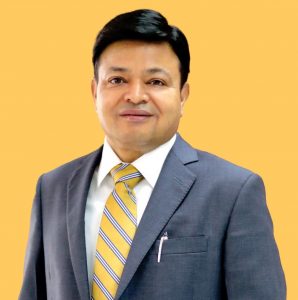
54. KAMAL GHANSHALA
Prof (Dr) Kamal Ghanshala has earned for Uttarakhand global recognition by creating a vibrant educational ecosystem spanning several major entities. He is the founder and president of Graphic Era Group of Institutions. He is an academician, engineer, entrepreneur, and philanthropist who established the foundational Graphic Era Institute of Technology in Dehradun, Uttarakhand, in 1993. Under his leadership, the single computer centre evolved into an expansive educational ecosystem. Dr Ghanshala holds Bachelor’s and Master’s degrees in Computer Science & Engineering, alongside a Doctoral degree in Computer Science from Kumaon University, Nainital. Despite managing a massive network of institutions housing over 40,000 students, he continues to actively teach subjects like Data Structures, Systems Programming, Computer Aided Design (CAD), and the ‘C’ programming language in the classroom. He works closely with Rakhi Ghanshala, who serves as the Vice Chairperson / Chief Advisor of the Graphic Era Group of Institutions. He was awarded the prestigious international ESQR Quality Achievement Award in Dubai for his contributions to global higher education quality standards.
* * * *
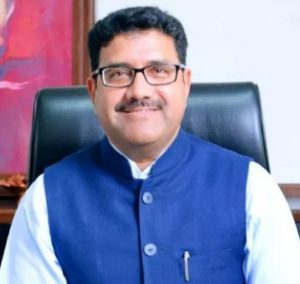
55. VIJAY DHASMANA
Vijay Dhasmana is President of Swami Rama Himalayan University (SRHU) located in Jolly Grant, Dehradun, Uttarakhand. He has been associated with the institution since its inception and serves as a core driving force behind its academic, healthcare, and rural development initiatives.
He served as VC, Swami Rama Himalayan University, for two terms and headed HIHT University from 2007 to 2013.
He began his institutional journey as the Treasurer of the Himalayan Institute Hospital Trust. He holds a PhD and a Master’s in Computer Sciences and Mathematics. He set up the School for Vocational Studies to combat youth migration in Uttarakhand.
He initiated “Homestay” development programmes for the benefit of the youth. He steers the top-ranked Himalayan Hospital under the Ayushman Bharat scheme. He is recipient of the Dr BC Roy Award, Uttarakhand Ratna, amongst others.
* * * *
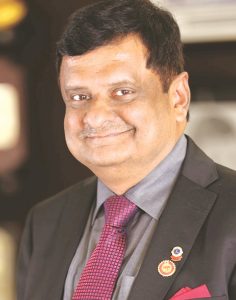
56. SUNIL KUMAR JAIN
Sunil Kumar Jain is a prominent educationist and visionary leader who serves as the Chairman of Tula’s Group. He is widely recognised for his philanthropy, dedication to student-centric learning, and efforts to support underprivileged students.
Founder and Chairman of Tula’s Institute and Tula’s International School in Dehradun he is known for driving technological advancements in regional higher education, such as launching high-tech digital libraries, and funding charitable education initiatives for vulnerable communities.
* * * *
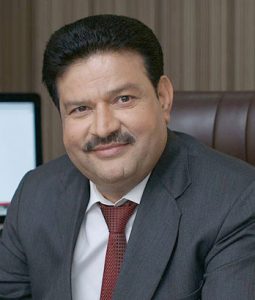
57. JITENDRA JOSHI
Jitendra Joshi is the Founder, President, and Chancellor of Uttaranchal University, Dehradun. He is a prominent educationist, philanthropist, and administrator who has been central to the establishment and growth of higher education institutions in the region.
He began his journey in education by setting up Law College Dehradun in 2002. He subsequently expanded the campus by founding the Uttaranchal Institute of Technology (UIT) and the Uttaranchal Institute of Management (UIM) in 2006.
His foundational efforts culminated in the consolidation of these multi-disciplinary institutes under the single banner of Uttaranchal University in 2013, following the passage of the Uttaranchal University Act by the state government.
Under his leadership, the institution became the first private university in Uttarakhand to receive the prestigious NAAC A+ Grade in its first cycle of accreditation.
His life story, struggles, and journey in the educational sector are captured in his official autobiography titled “Dhairyapath”.
In October 2024, he was honoured with the Chancellor of the Year award at the Making India Employable Conference. The award highlighted his dual contribution to education and local social causes.
Beyond academia, he has actively developed high-quality apple orchards in the remote hills of the Mori region in Uttarakhand. This agricultural initiative provides direct and indirect local employment, helping curb rural-to-urban migration.
* * * *
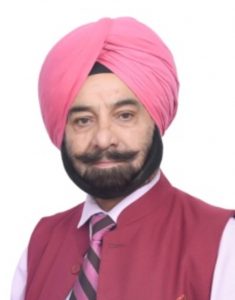
58. DEVINDER SINGH MANN
DS Mann is the Founding Chairman of the Doon International School Group. He established the Doon International Education Society in 1993 alongside Founding Principal MK Mann, launching their first flagship campus from “Pari Mahal” in Dalanwala, Dehradun. Mann is a Senior Advocate and former Secretary of the Bar Association of Dehradun. He established the society with the distinct goal of providing affordable, high-quality, value-based education. Under his leadership, the flagship Dehradun branch has consistently ranked as the #1 CBSE Co Educational, Day, and Residential School in Uttarakhand by Education World.
Medicine & Social Service
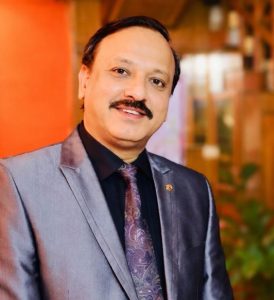
59. MAHESH KURIYAL
Dr. Mahesh Kuriyal is Uttarakhand’s pioneer neurosurgeon and founder-director of MS Galaxy Hospital in Dehradun. With over three decades of experience, he and his team specialize in complex brain and spine surgeries, cerebrovascular issues, and head traumas. Dr. Kuriyal consults and operates at two main locations in Dehradun: MS Galaxy Hospital and Combined Medical Institute (CMI) Hospital. His Key Specialties & Expertise include Brain tumor surgery, Complex spine surgeries. Stroke, AVM, and Aneurysm management, head injury and trauma management.
Dr. Kuriyal was unopposed elected President of Indian Medical Association recently.
* * * *
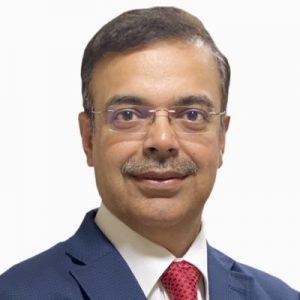
60. GAURAV LUTHRA
Dr Gaurav Luthra is an internationally renowned ophthalmologist and eye surgeon based in Dehradun. He serves as the Director and Chief of Cataract & Refractive Surgery at the Drishti Eye Institute.
Advanced Cataract Surgery, Laser Refractive Surgery (LASIK, SMILE, Contoura), and Keratoconus management are amongst his specialities.
He completed his MBBS and MS in Ophthalmology from the prestigious Maulana Azad Medical College (MAMC), New Delhi.
He holds honorary fellowships including FWCRS (Fellow World College of Refractive Surgery) and FAICO (Fellow All India Collegium of Ophthalmology).
He serves as the Vice President of the Intraocular Implant & Refractive Society of India (IIRSI) and Chair of the Scientific Committee for the North Zone Ophthalmological Society.
Dr Luthra primarily consults and performs surgeries at Drishti Eye Institute.
* * * *
61. RENU D SINGH
Advocate Dr Renu D Singh (also known as Mrs Renu Sarkar) is a prominent Indian lawyer, women’s rights activist, and social worker based in Dehradun, Uttarakhand. She is widely recognised as the founding president of SAMADHAN, an NGO established in 1987 dedicated to providing social and criminal justice to underprivileged women and children. She established and operates North India’s first 24-hour legal helpline providing free legal counsel, crisis intervention, and emotional support to female survivors of domestic and sexual violence.
She runs a Rape Crisis Intervention Centre under her NGO Samadhan, in Dehradun, which has supported and legally empowered thousands of sexual violence survivors over the last few decades. She pioneered Uttarakhand’s first Mobile Legal Clinic, which was flagged off by the Governor of Uttarakhand to take legal aid and awareness directly to communities. She notably spent five years successfully fighting for justice for a marginalised Valmiki girl gang raped by influential politicians, culminating in a historic double life imprisonment verdict in 2013. Through her initiatives, thousands of oppressed women have been rescued, educated, and rehabilitated—with many training to become practicing advocates, judges, and government officials. She holds a degree in Law and a Master’s degree in English Literature from Lucknow University. For her unparalleled work in gender justice, she was honoured with the “ICON of Uttarakhand” award by the State Union of Working Journalists.
* * * *
Business & Industry
62. S FAROOQ
S Farooq is a respected figure in Uttarakhand known for his contribution to Ayurveda, entrepreneurship, as well as for philanthropy and social welfare. With a professional background rooted in traditional Indian medicine and a PhD degree in Phytochemistry from Dehradun, he has played an important role in promoting Ayurveda as, both, a healthcare system and a sustainable business model in the state.
His brand Himalaya Wellness is an internationally acclaimed brand. Through his involvement in the Ayurveda industry, he has supported the production and promotion of herbal and natural products, contributing to local employment generation and the growth of Uttarakhand’s herbal economy. The state’s rich biodiversity and abundance of medicinal plants have provided a strong foundation for such initiatives, and Dr Farooq has been among those who have worked to harness this potential responsibly.
Beyond business, Dr Farooq is recognised for his social outreach activities. He has supported health awareness drives, medical camps, and initiatives aimed at providing affordable healthcare solutions, particularly in semi-urban and rural areas. By encouraging the cultivation and scientific use of medicinal plants, he has also helped create livelihood opportunities for farmers and small entrepreneurs. His efforts reflect a commitment to community welfare and inclusive development. He has also set up Tasmia Society to extend support to needy children for their education.
Dr Farooq’s work stands at the intersection of tradition and modern enterprise. He represents a model of socially responsible business leadership in Uttarakhand, where commercial success is aligned with community service and charity for education. Through healthcare advocacy, industry development, and grassroots engagement, he continues to contribute to the social and economic fabric of the state.
* * * *
63. VIJAY KUMAR DHAWAN
Vijay Kumar (VK) Dhawan is a prominent industrialist, visionary businessman, and philanthropist based in Dehradun, Uttarakhand. He is best known as the founder, Chairman, and Managing Director of the Sara Group of Industries (specifically Sara Sae Private Limited) founded in 1980.
This Doon-headquartered engineering company is a global leader in manufacturing high-tech oilfield equipment. It specialises in blowout preventer control units, manifolds, and drilling components. Under his leadership, Sara Group Ventures expanded into multiple domains located in Dehradun, including Involute Engineering, Sara Industrial Estate, Planet Herbs Lifesciences, and their real estate vertical Sara Eminent (known for luxury developments like Park Belles Dehradun).
Global Footprint: In 2011, the group famously acquired Consolidated Pressure Control (CPC) in Houston, Texas, to solidify its position in the international oil and gas market. He had served as the founder Chairman of the Confederation of Indian Industry (CII) for Uttarakhand and has served on the Board of Governors for IIT Roorkee. Philanthropy & Community Work are part of their initiatives. Alongside his wife, Rakesh Dhawan (a prominent social activist and past national president of the All-India Women’s Conference), the family actively runs grassroots healthcare, education, and livelihood projects in rural areas like Sahaspur. He has received numerous awards, including the national award of excellence from EEPC-INDIA for engineering contributions.
His son, Sumit Dhawan, an alumnus of The Doon School, now actively leads the organisation as Managing Director.
* * * *
64. KARAN BILIMORIA
Lord Karan Bilimoria is a prominent British-Indian entrepreneur, life peer in the UK House of Lords, and the founder and chairman of Cobra Beer. He is recognised as the first Zoroastrian Parsi to sit in the House of Lords. He serves as an independent Crossbench Peer. Bilimoria founded Cobra Beer in 1989.
He created a smoother, less gassy lager designed specifically to complement Indian cuisine. He steers the Cobra Beer Partnership Limited, a joint venture formed in 2009 with a global brewing giant. He served as the President of the Confederation of British Industry (CBI) from 2020 to 2022. He is also the Chairman of the International Chamber of Commerce. He is the Founding Chairman of the UK India Business Council.
He completed his ten-year tenure as the 7th Chancellor of the University of Birmingha, making history as the first Indian-born Chancellor of a British Russell Group university.
He was appointed a Commander of the Order of the British Empire in 2004 for services to business. He received the Pravasi Bhartiya Samman from the President of India in 2008 for his exceptional contributions as an overseas Indian.
Further, he serves as an Honorary Group Captain in the Royal Air Force’s 601 Squadron. His father was the Late General FN Bilimoria. His mother Yasmin and brother Nadir reside in Vasant Vihar in Doon.
* * * *
65. AMARJEET SINGH JUNEJA
Amarjeet Singh Juneja is the President of The Asian School, a prominent co-educational day-cum boarding school located in Dehradun, Uttarakhand. As President of the Asian Education Charitable Society, Amarjeet Singh has been a core managing member overseeing the administration, major events, and strategic growth of the main Dehradun Campus as well as its expansion, such as The Asian School (Ludhiana Campus). Under his leadership, the school celebrated its landmark 25th Silver Jubilee Anniversary in late 2024 and continues to host major institutional events like its annual Founder’s Day. He also founded Ecole Globale International Girls’ School, an international boarding school in Dehradun. Raising the bar of luxury in Dehradun, he spearheaded the arrival of the iconic symbol of excellence The Taj brand in our city.
* * * *
66. DEV RATURI
Dev Raturi is a prominent Indian entrepreneur, restaurateur, and actor who achieved widespread recognition for his remarkable rags to-riches journey in China. Born in 1976 in the remote village of Kemriya Saur in the Tehri Garhwal district of Uttarakhand, India, he rose from humble beginnings as a local milk seller and waiter to become a well-known cultural ambassador and film actor. His childhood fascination with Bruce Lee inspired his dream to break into cinema. He moved to China in 2005 and finally landed his first minor role in the 2015 Chinese TV series SWAT. He has acted in over 35 Chinese films and television dramas. His credits include popular titles like My Roommate Is a Detective, The Trapped, Wolf Pack, and Strange Legend of Tang Dynasty.
He is the Founder and CEO of Amber Palace Indian Restaurant Group (formerly starting with his first restaurant, Red Fort, in Xi’an). The brand has expanded into the largest chain of Indian cultural restaurants across China, boasting over 10 outlets. Beyond serving food, his establishments act as hubs for cultural exchange, celebrating major Indian festivals like Diwali and Holi alongside local Chinese residents.
In a rare honour for a foreign national, his life story of perseverance and adaptability was added as a chapter in Class 7 textbooks in Xi’an City, China. In late 2025, he was awarded the Uttarakhand Gaurav Samman, one of the highest civilian accolades of his home state, celebrating his international entrepreneurship and cultural diplomacy. He runs the Raturi Foundation alongside his wife, Anjali Raturi, providing education and support to underprivileged children.
* * * *
67. DEEPAK NAGALIA
Deepak Nagalia is a prominent citizen, businessman, and cultural figure based in Dehradun, Uttarakhand. He is widely recognised in the region for his contributions to the local arts scene, cinema heritage, and community leadership. He was elected President of the prestigious Dehra Dun Club Ltd for the 2022–23 term. This marked his second stint in the role, having previously served as the club’s president back in 1997–98. Nagalia is well-known as the owner of Dehradun’s iconic, historic single screen theatre, Prabhat Talkies. The landmark venue was part of the city’s cultural fabric for decades before concluding operations around 2020. He actively participates in regional climate advocacy. He serves as a leading voice for the organisation Himalayan Echoes, where he frequently campaigns for the ecological preservation of the Himalayan range and raises awareness regarding local climate change threats. A native of the Doon Valley, he completed his schooling at the historic St Joseph’s Academy, Dehradun and later studied at DAV College, Dehradun. He remains deeply involved in local alumni networks and community development initiatives.
* * * *
Science
68. DALIP KUMAR UPRETI
Dalip Kumar Upreti, hailing from Uttarakhand, is a renowned scientist whose pioneering work in lichenology has placed India on the global map of biodiversity research. His studies on lichens have advanced knowledge of ecology, taxonomy, and environmental monitoring, with lichens serving as bioindicators of pollution and climate change. Upreti’s connection to Uttarakhand’s rich natural environment is evident in his research, which highlights the ecological significance of the state’s flora and its role in sustaining fragile Himalayan ecosystems. He has published extensively, guided numerous research scholars, and contributed to national and international scientific collaborations. His work has been crucial in understanding how lichens reflect environmental health, particularly in the Himalayas. Upreti’s achievements have earned him recognition in scientific circles, and his dedication underscores Uttarakhand’s contribution to global ecological studies. By linking local biodiversity with international research, he has ensured that Uttarakhand’s natural heritage is both studied and preserved for future generations.
* * * *
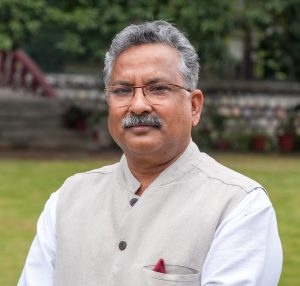
69. DURGESH PANT
Prof Dr Durgesh Pant is one of Uttarakhand’s most respected scientists and science administrators, having played a pivotal role in promoting science, technology and innovation within the state. An accomplished physicist by training, he has devoted much of his professional career to strengthening scientific research, policy formulation and technological applications for sustainable development in the Himalayan region. Recently he has been credited with contributing significantly towards the formulation of new Science & Technology Policy of Uttarakhand.
Pant is currently serving as the Director General of the Uttarakhand State Council for Science and Technology (UCOST), where he has spearheaded numerous initiatives relating to climate change, disaster management, remote sensing, biodiversity conservation and scientific education. Under his leadership, UCOST expanded its outreach programmes, promoted innovation among students and encouraged research on issues specific to the fragile Himalayan ecosystem. He has consistently advocated the use of science for rural development, environmental protection and disaster resilience in Uttarakhand. As DG, UCOST, Pant has also been instrumental in promoting innovations and research and creating a pro science environment among the students.
Widely recognised for his administrative leadership and scientific vision, Pant has represented Uttarakhand at several national and international scientific forums. His contribution has helped bridge the gap between scientific research and public policy, making him one of the leading figures in advancing science-based development in the state.
* * * *
Theatre
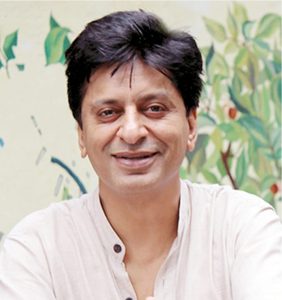
70. ALOK ULFAT
Alok Ulfat is an Indian theatre practitioner, actor, director, playwright, teacher, and cultural activist. He is widely recognised for his innovative methodologies in performance arts and alternative education, specifically through his self developed pedagogical approach called “Acting for Life”. He has spent decades leveraging art, culture, and environmental awareness to drive social change and reform. Acting for Life is his specialised psycho-physical-spiritual training programme designed to help performers connect deeply with their inner self. The Avikal Initiative for Life and Active Learning includes the Avikal Theatre Company and Avikal Studio, functioning as a hub for performance and experiential education.