Garhwal Post Bureau
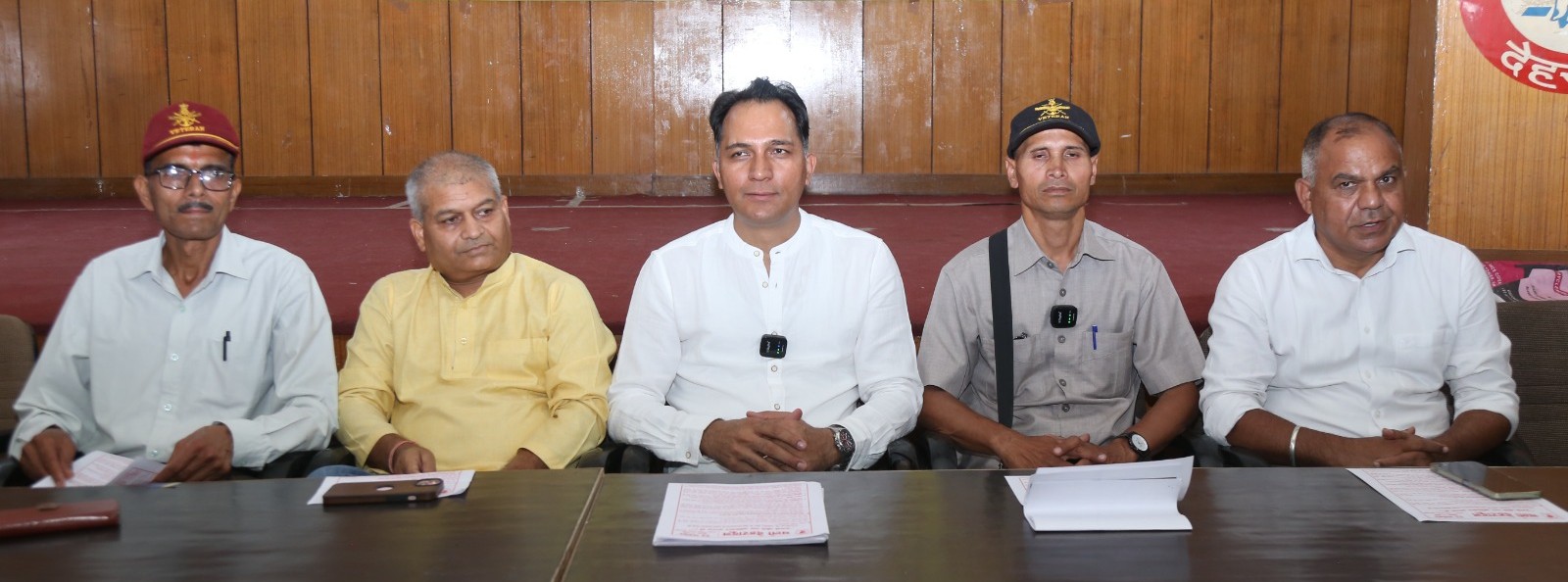
Dehradun, 22 Jun: On the conclusion of its “Ekjut-Ekmut Yatra”, Uttarakhand Ekta Manch today organised a press conference at the Uttaranchal Press Club, here.
The event focused on the experiences gathered during the journey, public sentiments, and the major challenges facing Uttarakhand’s hill regions, along with their potential solutions.
Representatives of Uttarakhand Ekta Manch stated that several public movements are currently underway in Uttarakhand concerning land rights, natural resources, environmental protection, employment, cultural identity, migration, the demand for Gairsain as the capital, and local rights. According to the organisation, the Fifth Schedule of the Constitution and Tribal Status provide a framework for long-term constitutional protection of these issues.
The speakers explained that implementation of the Fifth Schedule would strengthen the powers of Gram Sabhas through the Panchayats (Extension to Scheduled Areas) Act, 1996 (PESA), increase community participation in the management of local resources, create employment opportunities for local youth, and provide stronger protection for traditional culture, customs, and community rights.
The Manch informed the media that the yatra was conducted from 4 to 22 June, beginning in Khatima and passing through several hill districts and towns, including Champawat, Lohaghat, Pithoragarh, Gangolihat, Almora, Bageshwar, Chamoli, Pauri, Tehri, and Uttarkashi. The entire journey was organised and funded through the personal resources and contributions of volunteers.
According to the organisation, people across the state showed considerable interest in the issue and expressed broad support during the course of the yatra. Many participants emphasised the need for wider public discussion and participation to safeguard the rights, resources, and cultural identity of Uttarakhand’s indigenous inhabitants.
Based on feedback received during the journey, the Manch stated that unemployment and migration remain the most pressing challenges facing the hill communities of Uttarakhand. Participants widely expressed the view that, if legal protection is to be ensured for water, forests, land, local resources, culture, language, traditions, and local employment, the Fifth Schedule and Tribal Status could provide the most effective constitutional mechanism.
The organisation appealed to the people of Uttarakhand to study these important constitutional provisions and support public representatives who stand for the protection of local rights, indigenous interests, and the long-term welfare of the state.
Uttarakhand Ekta Manch also announced that it will organise large-scale public meetings and dialogue programmes across the state in the coming months. As part of this initiative, a major public gathering will be held at Parade Ground, Dehradun, on 22 November, to which the Chief Minister of Uttarakhand, leaders of major political parties, elected representatives, social organisations, and intellectuals will be invited.
The press conference was attended by Mahavir Rana, Darban Singh Sugda, Pravesh Joshi, Anil Upreti, Captain Kuldeb Singh Negi, Ravindra Singh Sugda, and several other key members associated with the yatra.