By Arun Pratap Singh
Garhwal Post Bureau
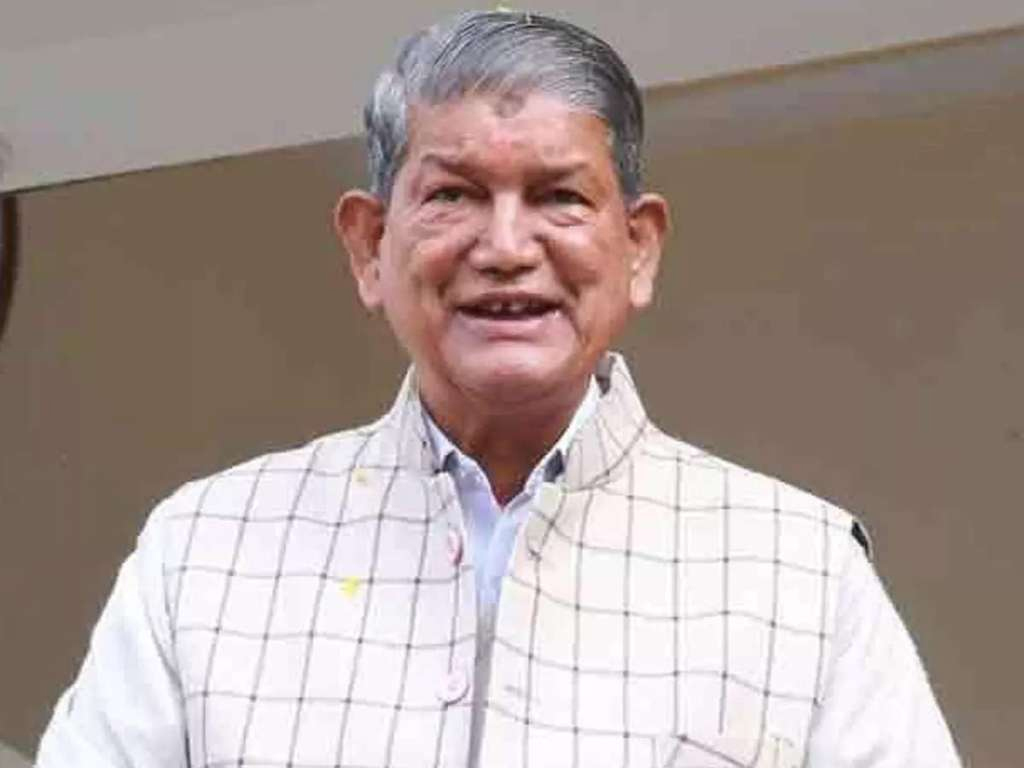
Dehradun, 31 Mar: Speculation in the political circles of Uttarakhand both within and outside the Congress is rife regarding veteran Congress leader and former Chief Minister Harish Rawat’s ‘temporary break’ from politics. Sources within the Congress claim that Rawat announced his temporary hiatus from active politics following his anguish over the party not acceding to his demand of inducting a few of his supporters in Congress. It may be recalled that a day before a widely anticipated round of political inductions in Uttarakhand, intense speculation had gripped political circles over the possible entry of several former BJP legislators and influential Independent political leaders into the Congress. However, parallel to these developments, a separate undercurrent appeared to be taking shape within the Congress itself, centred around senior leader and former CM Harish Rawat, whose subsequent decision to go on a 15-day “political break” has triggered sustained speculation within the party and among political observers.
It may also be noted here that, on 27 March, even as the discussions around the impending inductions gathered momentum, a post from Harish Rawat on social media platform X drew significant attention and was quickly interpreted by those closely tracking Uttarakhand politics as indicative of underlying discontent. Within the Congress circles, it is being speculated that Rawat’s decision to step back temporarily from active political engagement was not incidental, but linked to internal differences over the selection and approval of leaders set to join the party the following day in New Delhi.
On 28 March, when six leaders, with three of them previously associated with the BJP, formally joined the Congress, speculation started regarding internal discord over the proposed joining of certain other leaders within the Congress party. The induction of Rajkumar Thukral, Narayan Pal, Bhimlal Arya, Anuj Gupta, Gaurav Goyal and Lakhan Singh Negi was projected as a boost for the party, yet the absence of leader Sanjay Negi from Ramnagar from the list became a focal point of political discussion. According to sources and ongoing speculation within Congress ranks, Sanjay Negi’s proposed entry could not materialise at the last moment due to lack of consensus among the senior Congress leaders, even when Harish Rawat is reported to have pressed hard for his entry, thereby exposing fault lines within the organisation.
Political observers and the party insiders have linked this episode to Rawat’s reported dissatisfaction, suggesting that he had been advocating for Sanjay Negi’s inclusion as a young and grassroots-oriented leader. Sanjay Negi himself has publicly indicated that Rawat expressed displeasure over the decision to halt his induction, stating that opposition from certain quarters within the party prevented agreement from being reached. These remarks have added weight to the perception that the issue has become emblematic of deeper intra-party differences. In addition, certain influential leaders within Congress also claim that the final decision is an indication of declining influence of Rawat within the party.
While Harish Rawat has refrained from direct political activity during his declared break, he has remained visible through social outreach programmes, a move that analysts interpret as both symbolic and strategic. Within political circles in Uttarakhand, there is a growing view that such a calibrated withdrawal may be intended to signal dissent without overt confrontation, thereby drawing attention to organisational decision-making processes within the Congress. Some party leaders also claim that Harish Rawat’s former protégé and once a close confidante former MLA Ranjit Rawat played a key role in denial of entry of Sanjay Negi in the Congress.
The episode has also elicited varied responses from within the party. Senior Congress leader Ranjit Rawat, has however distanced himself from any alleged opposition to the induction process, claiming that he had not been consulted on the matter and therefore any clarification should come from those involved in initiating the discussions. In a lighter vein, he however commented on Harish Rawat’s “fast” or break, describing fasting as beneficial both in Indian tradition and medical science, a remark that has been interpreted in political circles as an attempt to downplay the seriousness of the situation.
The political observers however describe the developments as a potentially significant indicator of emerging polarisation within the Congress in the State. According to them, Harish Rawat’s move should not be viewed merely as a coincidence but could reflect a considered political signal aimed at highlighting internal concerns. They also noted that Rawat’s long experience and understanding of organisational dynamics lend greater significance to his actions, which may point to deeper structural issues within the party. They also remind that Harish Rawat has been known to indulge in such ‘subtle tactics’ in order to send a strong message across to the party high command also in the past too. His statements are not intended to be taken on face value but there is an underlying message behind such tactics.
Amid these developments, political analysts believe that maintaining organisational unity remains the foremost challenge for the Congress in Uttarakhand. Continued factionalism and unresolved differences, if left unaddressed, could weaken the party’s position in the run-up to future electoral contests.