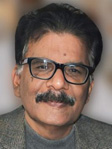
 By Prof Kamal K Pande
Every year, millions of young Indians devote some of the most important years of their lives preparing for competitive examinations. They wake up before sunrise, study late into the night, leave their families, live in small rented rooms and sacrifice their social lives in the hope of securing a better future. For many, success in a single examination can transform not only their own lives but also the lives of their parents, siblings and entire families.
Yet this dream is under constant threat. An Indian Express investigation found 41 documented paper leaks over five years, affecting 1.4 crore applicants across 15 states. India Today reported 70 leaks in seven years affecting 1.7 crore applicants, while Newslaundry’s ten-year count identified 89 suspected cases and 48 retests affecting over 6.5 crore candidates. Behind these numbers, there are students facing serious consequences. When an examination is cancelled because of a paper leak, it is far more than an administrative failure. It can create immense pressure, destroy years of preparation, shatter confidence and deeply affect the mental well-being and future of countless young people.
Preparing for a competitive examination can be one of the most demanding and stressful periods of student life. This pressure can place significant physical and psychological strain on students. In response to stress, the body activates the hypothalamic–pituitary–adrenal (HPA) axis, which regulates cortisol, a hormone that helps the body cope with stress. Despite this strain, students accept the pressure hoping their hard work will be rewarded. When an examination is cancelled because of a suspected paper leak, uncertainty over a new date, financial pressure and fear of another leak can prolong stress. This pressure can disrupt cortisol’s normal rhythm and regulation, which may affect sleep, mood, concentration and the body’s ability to respond appropriately to stress.
Research suggests that chronic stress can affect important areas of the brain. The hippocampus, responsible for learning and memory, may become less efficient, making it difficult to concentrate and retain information. At the same time, the amygdala, which regulates fear and emotional responses, may become overactive. As a result, students may experience anxiety, insomnia, emotional exhaustion, panic attacks and mental burnout. Over time, persistent psychological pressure can further undermine their confidence and ability to cope.
The impact extends beyond mental health. In India, competitive examinations are often a family’s collective dream. Parents invest their savings and make personal sacrifices, while students give up friendships, hobbies, family time and other opportunities. Families also bear the costs of coaching, study materials, travel and accommodation. When an examination is cancelled, these financial and personal sacrifices can leave students and their families deeply frustrated and distressed. Some students may even feel they have failed their families, although the failure lies not in their efforts but in the examination process itself.
This emotional burden often leads to social withdrawal. Students may avoid friends, relatives and social gatherings, resulting in loneliness and isolation. Reduced social interaction, combined with persistent stress, anxiety and depression, can affect brain chemicals such as serotonin and oxytocin, which play important roles in mood, emotional regulation and social bonding. When these brain chemicals are altered, feelings of sadness, anxiety and hopelessness may become more intense, making emotional recovery increasingly difficult. In vulnerable individuals, prolonged psychological distress may increase the risk of self-harm or suicide.
The consequences also extend to physical health. Chronic stress can weaken the immune system, disturb sleep, raise blood pressure and trigger headaches and digestive problems. It can also cause persistent fatigue and push individuals toward unhealthy habits such as smoking, poor diet and physical inactivity. If left unmanaged, these effects can undermine both physical health and overall well-being.
The consequences do not end with mental, emotional and physical health. Repeated paper leaks and re-examinations can disrupt students’ education and career plans. Mounting financial and social pressure may force many to abandon their dreams or settle for careers below their abilities. Beyond individual setbacks, paper leaks represent a serious loss of talent and human potential for the nation.
This moment of crisis, however, can also become a turning point, as the greatest reforms are often born from the deepest crises. Today, our examination system has an opportunity to become stronger, fairer, and more transparent. Prime Minister Narendra Modi has shown decisive leadership on this issue, stating, nothing is more important than the welfare and future of our youth, and warning that those who try to harm the future of our youth will not be spared.
He also announced fast-track courts to ensure stringent punishment for those involved in paper leaks, a step toward restoring trust in the examination system.
Building on these steps, the confidence of millions of aspirants can be restored only by securing the entire examination chain through encrypted question papers, controlled access, secure transmission and printing, protected examination centres, continuous auditing, swift investigation and uncompromising accountability at every stage.
However, stronger systems alone are not enough. Students who experience the trauma of cancelled examinations also need timely counselling and emotional support. Such support can help them overcome setbacks, rebuild their confidence and move forward with resilience and renewed hope.
Every paper leak leaves behind stress, emotional scars and shattered dreams. It silently weakens the potential of India’s greatest asset—its young minds. A fair, transparent and trustworthy examination system is not merely an administrative necessity but a moral imperative and a cornerstone of national progress. The future of our youth and the future of the nation are inseparable. When we protect their dreams, we secure our nation’s future.
(The author is former Director, Higher Education, Uttarakhand.)