All Around the World with the Most Travelled Indian
 By Nitin Gairola
I continue with the not so fictitious Republic of Karakalpakstan and the deserts it contains. As I conclude this Central Asia series with the final two pieces (this and the one next week), I couldn’t close it without a mention of the ecosystem I love the most – the desolate deserts of the world. So here was the Kyzylkum Desert and the Ustyurt Plateau in Karakalpakstan and the Karakum Desert, with a sliver of it in Uzbekistan and the bulk in Turkmenistan. We had three wonderful guides who took us to these alien landscapes – Atabich, Khikmat Akhmedov and Gairat and we had great experiences with all of them.
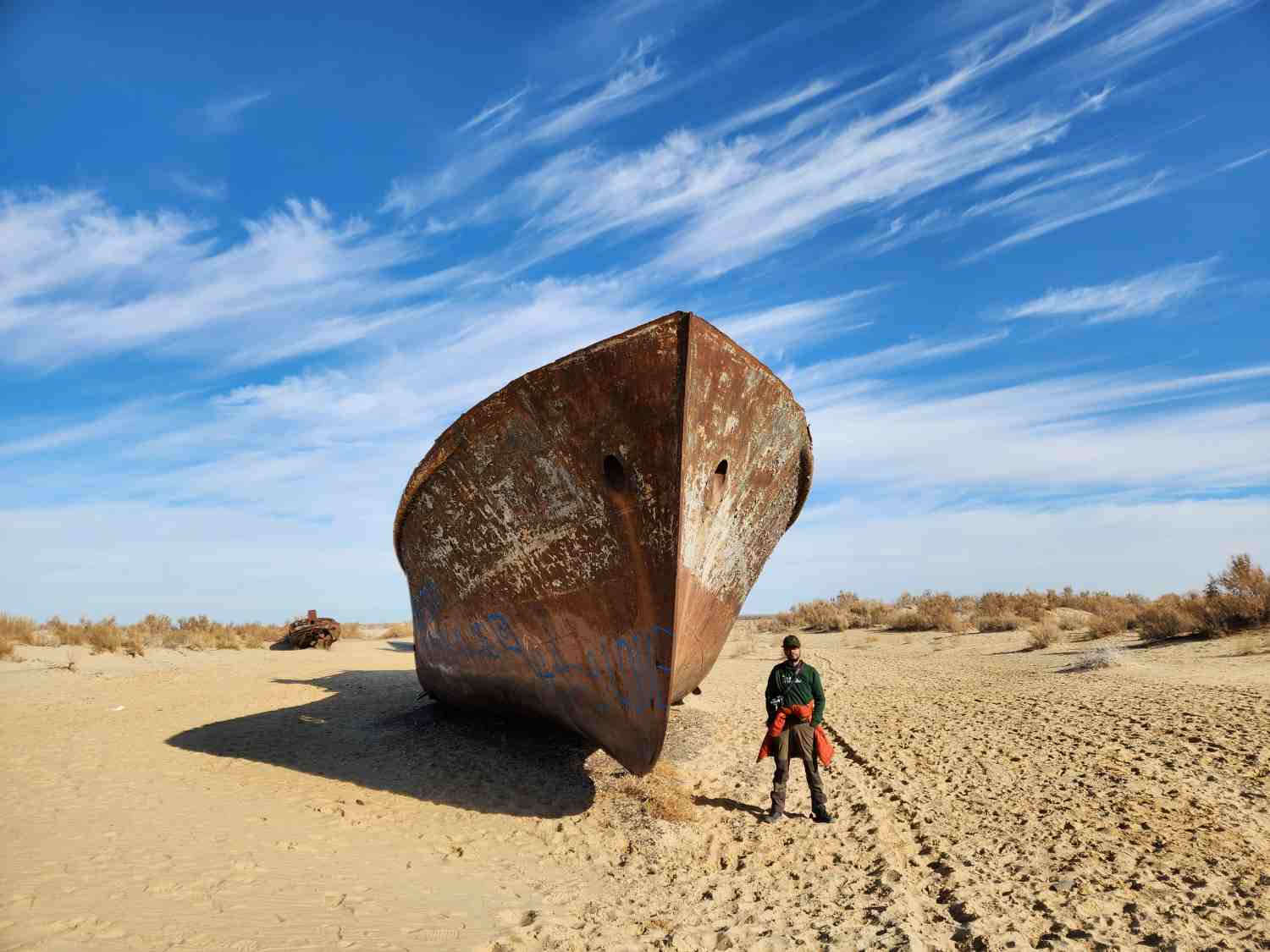
Atabich took us to the Aral Sea which is in the Ustyurt Plateau and it was one of those special places on this planet that we both wanted to see. It was a large salty inland lake (called a sea because of its high salinity or salt content) that started drying out and receding since the 1960s and is nearly non-existent today. So from being the third largest inland body of water in the world to nearly nothing in just six decades tells us how quickly environmental degradation can take place. Basically the rivers that drained into the Aral Sea from Kazakhstan were diverted for irrigation projects and all the lives that used to depend on the fishing industry were devastated, not to mention the marine ecosystem and the birds and amphibians that depended on it.
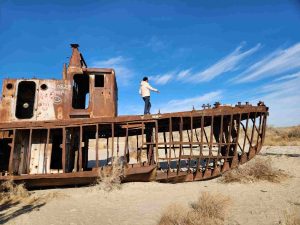
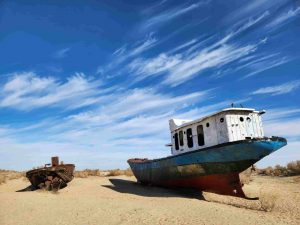
When we reached Muynak, we were told that the then UN Secretary General Ban Ki-moon had visited this area and had referred the Aral Sea as one of the worst environmental disasters on Earth. In its aftermath, the dust that files in this desert is laden with toxic industrial waste and hence the area causes deformities and disease as nowhere else in the world today. The Aral Sea is a reminder that not just economic but environmental downturns can happen within one generation and we don’t really need to think that this burden will fall on to the next. So both the blame and the burden can at times fall on us in our short life spans.
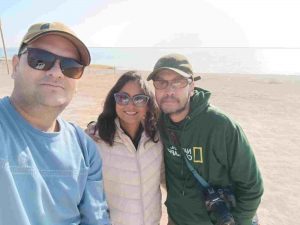
It was also quite eerie to stand next to large rusted vessels that were once used for fishing and trade, but now rest still and dead on the sandy sea bed. These were some of the shots I had seen in my National Geographic magazines from childhood and it was quite a feeling to see these rusted relics in real life and to stand next to them and touch them.
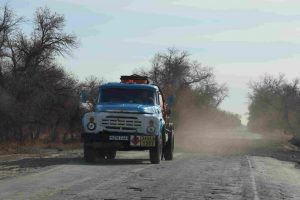
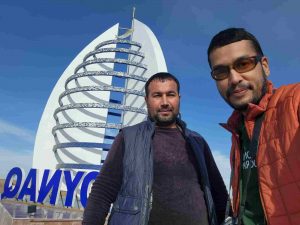
Atabich also took us through some rural and dusty roadways where we got a strange Soviet vibe – a Soviet that was more sand than snow but nonetheless still essentially Soviet what with the rattling trucks and drab housing in the highway towns. We also were taken to Nukus, the modern capital of the Republic of Karakalpakstan where we stood against this giant flagpole just to remind that this Republic had its own flag which is different from Uzbekistan’s. In fact the Republic had giant gateways on some of the entry roads as well just to make sure everyone knew what they were entering into. However there were no visas thankfully.
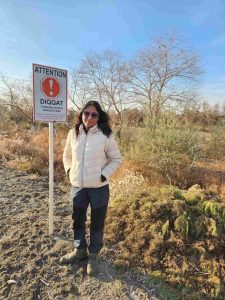
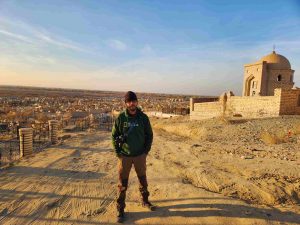
But as great as the Aral experience was, somehow one of the highlights for me was the Mizdakhan Necropolis, a massive collection of graves right next to Turkmenistan. It was one of those places where you feel the heaviness in the air with so many souls hovering around it and that too in such a desolate part of the world. The best part was that we were the only two souls walking through the Necropolis and soaking in the sunset alone (well almost alone). You can say our spirits were up but only as long as the other spirits were not. I dare say that the Turkmen sunset was to die for.
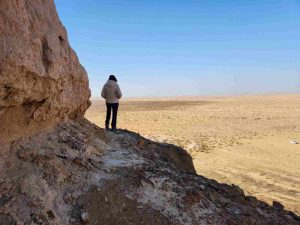

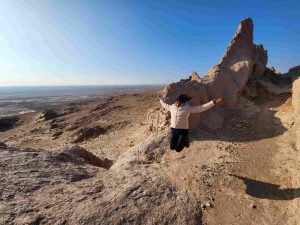
Khikmat and Gairat also took us on two separate trips to the forts and ruins in the Kyzylkum and Karakum Deserts which we found quite inspiring. We thought that the Kyzylkum would be a flat desert but it did have its dunes and more than that it had a lot of abandoned forts atop barren hills. So the desert overall was more rocky than sandy and the word ‘Kyzyl’ means red in the local language, which would come from its somewhat reddish coloured rocks (but nowhere as red as Australia’s red center). In the Kyzyl we even saw some Canadian tourists as the place wasn’t too far from Khiva and it made a perfect day trip from the ancient city. The Karakum, which means ‘black sand’ in Turkic, was very beautiful as well and we witnessed a classic sunset which turned its black sand into gold.

So after piling on the deserts, it was time to say goodbye to the good folks and to more onwards. We got into an evening train from Khiva to Bukhara and looked forward to our final few days in Uzbekistan – in both Bukhara and Tashkent. I will close this Central Asia series with the final installment next Sunday and then we will take you on another adventure. Here’s to restlessness, curiosity and a hunger to seek what is out there waiting for us.
Nitin Gairola is from Dehradun and has travelled the natural world more than almost any Indian ever. He has set world travel records certified by India Book of Records, has written for Lonely Planet, and holds National Geographic conservation certifications. He is also a senior corporate executive in an MNC and in his early days, used to be a published poet as well. More than anything else, he loves his Himalayan home. Reach him at: www.facebook.com/MostTravelledIndian/; nitin.gairola@gmail.com