(In conversation with Anjum Moudgil and Ankush Bhardwaj)
 By Sunita Vijay
“To navigate both the peaks of victory and the valleys of defeat is an art worth mastering, if one wants to pursue a career in sports.” – Anjum Moudgil, Olympian
“Do not overdo. It will not yield results. Maintain a balance between work and play.” – Ankush Bhardwaj, Shooting Coach
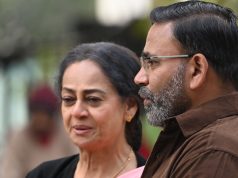
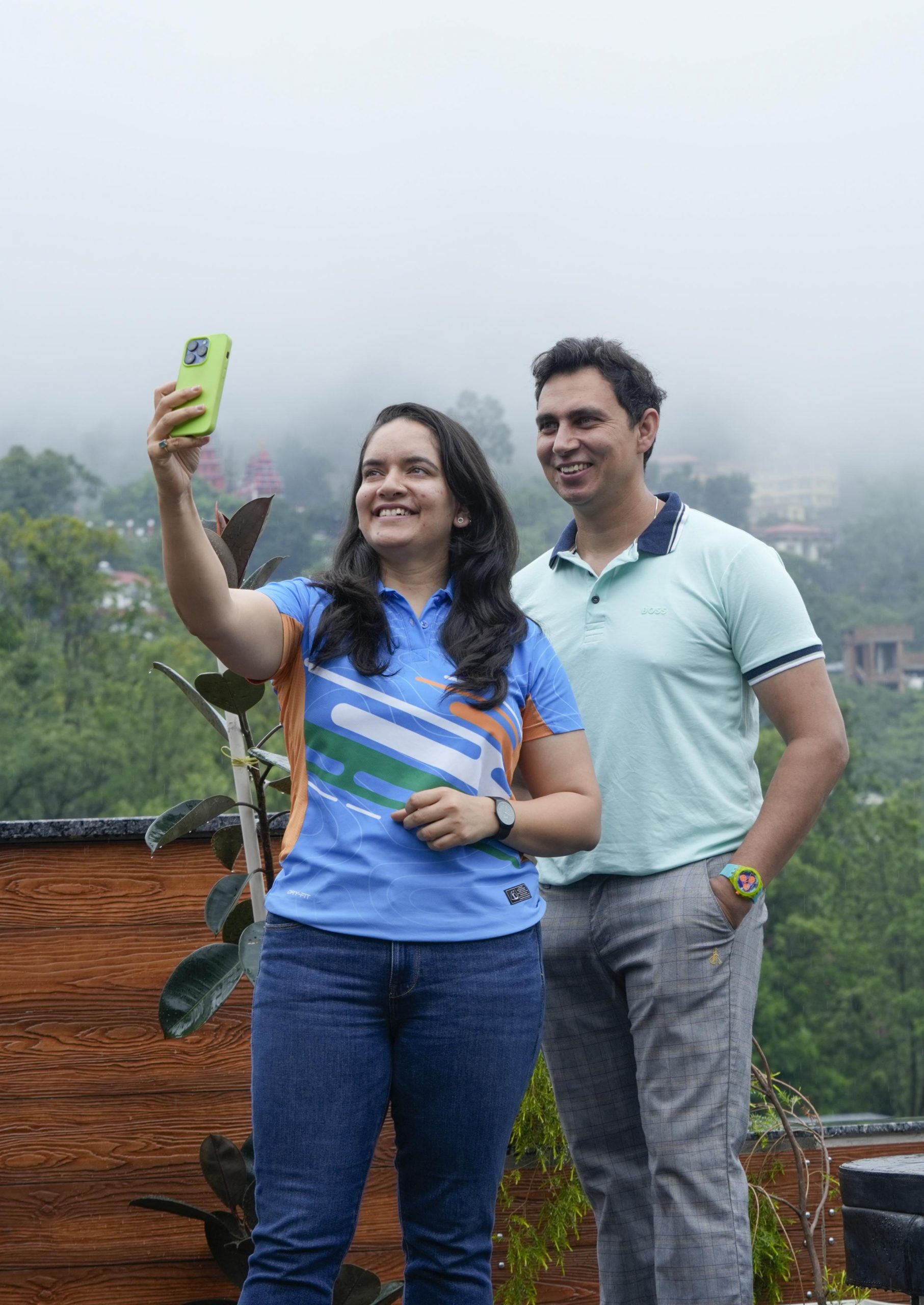
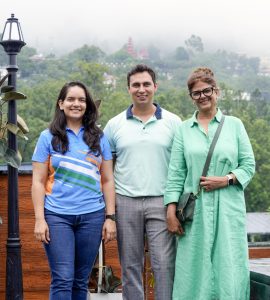
Anjum Moudgil and Ankush Bhardwaj, life partners, are deeply devoted to the sport of shooting. Their bond is their strength – an anchor in every storm. Anjum is a recipient of the Arjuna Award (2019), being a Commonwealth Games record-holder and silver medallist and a former World Cup Champion. With many feathers in her cap, she is currently preparing for Summer Olympics LA 28.
Both were in Dehradun for a tournament, and a candid conversation with them about their life’s journey proved truly inspirational.
An athlete’s life is a relentless pursuit – demanding not just physical endurance, but also a quiet mastery of the mind: learning to balance triumph and trial with unwavering resolve. For a shooter, muscular strength along with control over breathing, postural stability, grip, mental balance, motivation, stress management, and an understanding of wind conditions is crucial.
Anjum shares the crux: “I have been shooting for the past 17–18 years. You reach the top, and then new juniors come in. They begin with the best coaching, the latest equipment, and shoot impressive scores. This tough competition pushes me to work even harder. It’s challenging, but I overcome it and grow better. One has to constantly push limits to stay on top.”
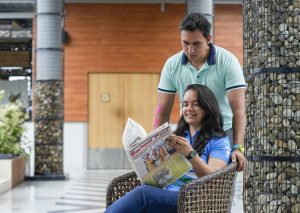
Location: Hotel Aura Doon
Anjum studied at Sacred Heart School, Chandigarh. She was introduced to the NCC in Grade 8. “My mother was involved in shooting through the NCC. She motivated me to become an athlete. It all started there.”
Ankush, on the other hand, began his journey at the Jaspal Rana Academy. A career-altering injury led him to choose coaching instead. Today, many students (though not all) treat sports as an excuse to skip classes. Parents often invest in top-tier coaching, hoping for results. But how can they identify early signs that a child may not be cut out for professional sports?
“Every child should play a sport – it helps in personality development and teaches you to face challenges. You never know when the spark ignites and a star is born. But yes, monitoring performance should determine whether it remains a hobby or becomes a career,” says Anjum.
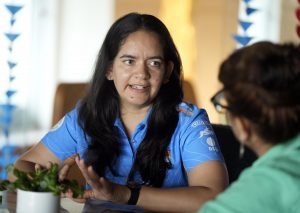
Ankush adds, “As a coach, I am honest with parents. Pursuing a sports career is expensive; parents bear the full cost in India. Unlike other countries, sportspersons here often work on the side to support themselves. But since we are immersed in training 24/7, we overdo it and burn out very soon. That’s why balance is essential.”
Anjum, a Master’s degree holder in Sports Psychology, is also an exceptional painter. “I enjoyed psychology as a subject. It trained my mind to handle ups and downs tactfully. As a sportsperson, I could connect theoretical knowledge to practical experience – it improved my relationships with coaches and teammates and boosted my overall performance.”
Shooting requires focus, precision, conscious nutrition, and a strict fitness regimen. Anjum spends 3–4 hours practicing, additional hours exercising, and dedicates time to mental training. “Every individual needs to find what works for them. You understand your own mind and body best. Success and failure teach you what methodology suits you. Personally, I find pressing the pause button and reflecting helps a lot. With experience, you learn to declutter the mind and silence the inner demons like fear, worry, and doubt. These mindful pauses have improved my results,” Anjum shares.
On Failure and Luck
Trying and failing is better than not trying at all. On this, Anjum avers: “Working hard and failing is painful, especially with societal pressure. Sure, we tell ourselves that participation matters, but defeat can still sting. I’ve tried to channel that frustration into motivation. Participation teaches you the process and helps you adjust your journey.”
I asked, “Is success solely the fruit of effort, or does luck quietly shape its path behind the scenes? Ankush replied, “Luck isn’t everything, but it matters. I’d say 25%. No matter how much you train, your performance on the actual day depends on your mood, energy, stress level, and mental rhythm. These variables often define the outcome at H-hour.”
I asked Anjum, “Have you ever wished to undo past decisions?” “Yes, many. With time, you learn to handle both victory and defeat better. Accepting criticism is crucial. You either become a victim or rise above it. Friends and family are vital in lifting your spirits during tough times. And the whole world is with you when you are victorious! I now know how to handle both emotions with grace.”
Their shared profession has strengthened their bond. “Marrying someone from the same profession has helped me tremendously. His family understands the demands of my career,” Anjum notes. Ankush chuckles, “Her performance has improved post-marriage!” He often encourages her to take short breaks, which have had surprisingly positive results. “Our mind needs rest. Repeating the same routine drains us. Taking breaks—stepping away from the pressure – can reset your performance. That’s something that helps Anjum,” Ankush says.
He recalls a low phase in Anjum’s career. He took her to Manali – no shooting, just rejuvenation. She painted, paraglided, and relaxed for 20 days. She had only two days to prepare for the National Games in Goa yet returned to win gold and set a national record. In another instance, he convinced her to travel to Prague, with just one condition: she had to train physically for three hours a day. Three days after returning, Anjum qualified in the Olympic trials. “Stepping out of routine, relaxing, and rejuvenating – this balance between work and play makes all the difference,” Ankush emphasises.
We at Garhwal Post wish this inspiring duo all the very best as they continue to aim high, together.
Her Memorable Encounters with Prime Minister Modi
“In my 17–18 years in sports, it was the first time that the Prime Minister personally invited and met the athletes both before and after the Games – before, to encourage and motivate us, and after, to applaud everyone, regardless of victory or defeat.
What stood out most was the warmth with which he met each one of us. The PMO had already briefed him about every athlete’s background, which made the conversations deeply personal and genuinely heartfelt. The time we spent with him was dedicated entirely to us, without distractions.
Modiji spoke to each player on a personal level. I was completely awestruck by his charismatic presence and the dedicated time he gave us. The powerful energy and aura he carries are truly unforgettable.”