All Around the World with the Most Travelled Indian
 By Nitin Gairola
John Milton’s ‘Paradise Lost’ was written in 1667 and is considered as probably the greatest poem in English literature. It is a biblical story of man falling prey to temptation and the subsequent expulsion from the Garden of Eden. Well, in real life we did have a Garden of Eden, and it covered 70% of the planet till as recently as the 1950s. This Eden on Earth were our Forests and Jungles with the myriad mammals, birds, reptiles, amphibians, fish, insects, plants, fungi and algae calling it home. Now over half of this paradise has been lost in the last 7 decades and today only around 30% of the Earth’s land surface has forest cover. In this real-life case, mankind is fast losing its paradise on Earth, but not by being expelled from it, but by destroying it at its own peril. You can’t even escape this diminishing paradise and take refuge in a new one, since it’s the only one we know of in the cosmos. Remember Mars has no trees.
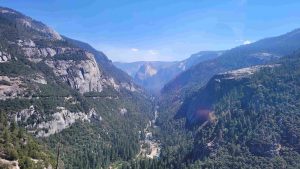
major carbon sinks
Forests not only release oxygen into the atmosphere, but they are carbon sinks too. They suck out the carbon from the atmosphere and store it in their trunks, branches and roots. Should we destroy them, the locked carbon from millions of years will get released back into the atmosphere. But releasing oxygen and storing carbon is not their only role. Forests are the habitat or biome for the greatest variety of wildlife and this variety in species is called ‘biodiversity’ and it too is at the greatest peril in the 21st century AD. As per prominent scientific organisations, we are already going through Earth’s 6th mass extinction event of species in its 4 billion year history of life (Earth is 4.5 billion years old but life is around 4 billion). The industrial age of man has impacted the planet so profoundly that scientists have said that we have moved out of the Holocene epoch (started post the Ice Age ending 11,700 years ago) and have now entered the Anthropocene, where human activity determines the Earth’s climate and the fate of its biomes such as forests.
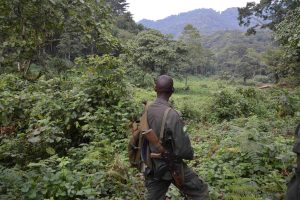
Green Planet
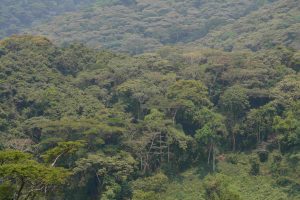
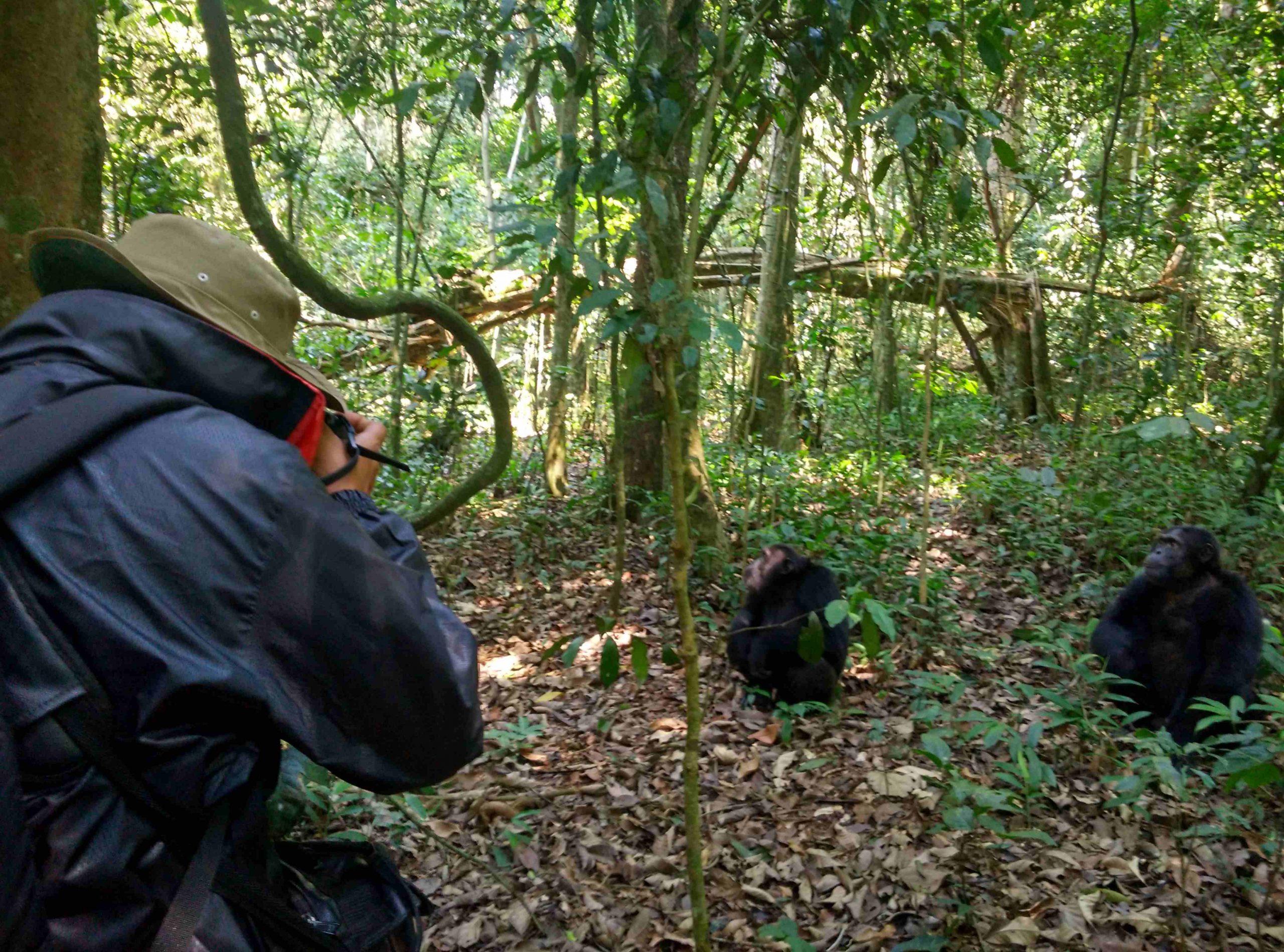
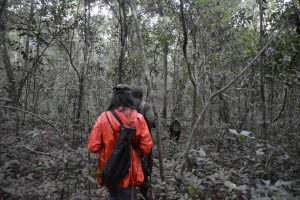
Of all the forests, the most crucial for the health of our planet are primary forests, also known as old growth or virgin forests. Amazon and Congo are the 2 classic examples, and I have had the privilege and good fortune to visit both. These are old forests with mature and tall canopy trees and dense understories, which is why they are the biggest home for biodiversity anywhere on our planet. The same can’t be said for the boreal forests that straddle across the northern hemisphere i.e. across Canada in North America, Scandinavia in Europe and Siberia in Asia (where it is known as the Taiga). The boreal forests are new since they came into being when the Ice Age ended, hence they haven’t had the time to grow as have the tropical rainforests which are closer to or on the equator, where the ice never reached during the Ice Age. That’s why the count of species in the boreal is no match for the numbers found in the old growth forests of Amazon, Congo or for that matter those in the rainforests of Borneo and Papua New Guinea. However, the boreal forests of the northern hemisphere are collectively the largest forests on Earth (yes, much larger than the Amazon too, contrary to what we have been made to believe) and hence their role as carbon sinks is absolutely crucial for the planet’s wellbeing. Cut the boreal and we are doomed.
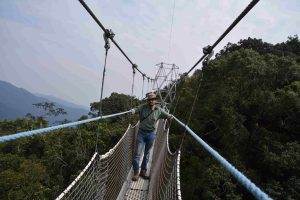

When we raze forests, say for farm use to feed a growing population, the soil erosion there accelerates as the rain no longer nourishes the forest soil but actually removes it. With farm use, the irrigation also produces salinization and salt pans take over places where plants once stood. And since we now have to feed 8.2 billion people around the globe, the pressure to turn forests to farms has been at its greatest in the entire history of humankind and today we are in an unprecedented age of deforestation. As per a 2015 scientific study, around 15 billion trees are being cut down each year and apparently the count of trees today (3 trillion i.e. 3,000 billion) is half of what it was when farming began around 10,000 years ago. And as I mentioned, the forest cover today is 30% of Earth’s land and this is less than half of what it was in the 1950s. Shockingly, a bit more than our forest cover is the area of farmland that is being used for agriculture. Outside of forests and farms are our barren or shrub lands which can also be called our non-polar deserts. And then finally we have the 2 extreme polar ice caps and the various glaciers, which are part of the polar deserts. This infertile desert biome (non-polar & polar) makes up the balance 1/3rd of our planet’s land. The shocking part of these statistics is that more than half of the world’s habitable land i.e. non-desert is farmland – an area more than 5 United States in size. Only 1,000 years ago it was less than 4% of habitable land.
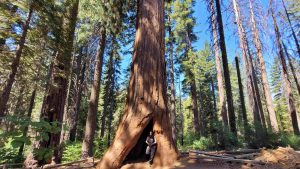
So, what went wrong? When did our farmland exceed our forest cover and grow at its expense? When did we start needing 50% of habitable land for farming instead of 4%? Did we not have the great idea to create national parks and protect the ‘pristine’ wild places? Well, the truth is that there is a lot of window dressing in all things wild and the wild is not as wild as you may think it is. In Europe the forests had started being slashed for timber and other industrial use from the 17th century itself and it has eased to some extent now due to the population plateauing, due to more efficient farming techniques being used and the awakening of a general consciousness thanks to wider education & understanding of the natural world. USA and Canada did the same slash & burn in the last 2 centuries and are easing a bit now.
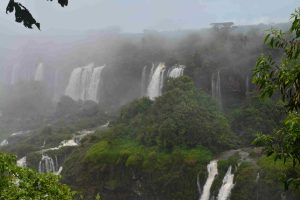
Atlantic forests
The rest of the world, mostly what is called the ‘Global South’ of developing countries, is doing its share of logging and forest clearing today since they have to feed billions and also create industry for economic gains. However, developing countries of today don’t have to follow the same path as the one
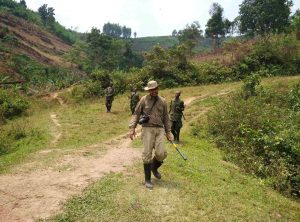
en by others to develop in the past centuries. This is since the world, the technologies and the awareness has evolved dramatically. And quite frankly, we are now aware of our place in the cosmos and the state of our planet. Giving the argument of ‘they did it too’ just doesn’t hold water anymore.
If there is one viable scar that we have left on our planet, it is to make farms out of forests. But there are some ways in which we can manage the forest crisis to an extent, even if we have to feed at least 8 to 10 billion mouths for the next 75 years, post which population is supposed to decline (demographics is quite mathematical and predictable). We have to basically become smarter with our energy & land use and next week I will dwell upon the how. Our paradise is almost lost, but more importantly, our paradise is not lost.
(Nitin Gairola is from Dehradun and has travelled the natural world more than almost any Indian ever. He has set world travel records certified by India Book of Records, has written for Lonely Planet, and holds National Geographic conservation certifications. He is also a senior corporate executive in an MNC and in his early days, used to be a published poet as well. More than anything else, he loves his Himalayan home. Reach him at: www.facebook.com/ MostTravelledIndian/)