Garhwal Post Bureau
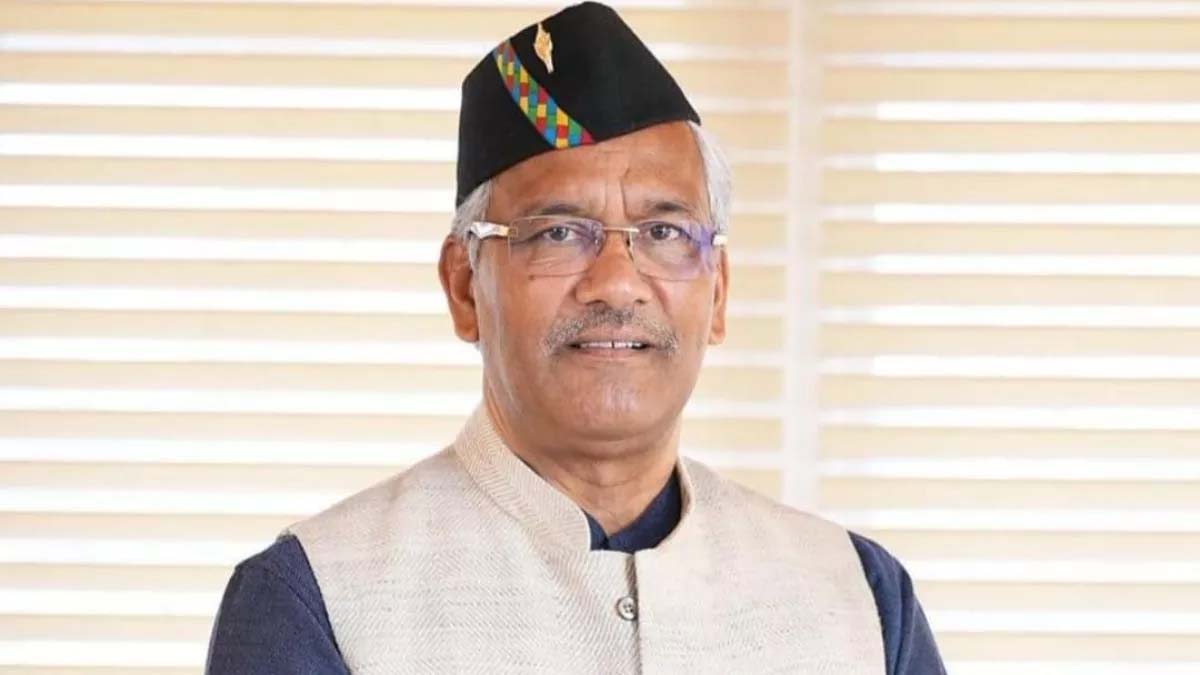
Dehradun, 10 Dec: Haridwar MP and former Chief Minister Trivendra Singh Rawat today drew the government’s attention in Parliament during Question Hour to the serious issue of the rapid disappearance of traditional crops in mountainous regions due to climate change, migration, and commercial farming.
He sought information from the Central Government regarding effective national-level policies and concrete steps for the conservation, revival, and market integration of these crops. Rawat asked whether the government is aware that many mountain crops are on the verge of extinction due to climate change and migration. He further questioned what actions ICAR and the National Gene Bank have taken for the conservation and revival of such varieties; whether any special programme is proposed for the promotion of nutrient-rich “near-extinct” crops; and what steps the government will take to popularise these crops again through seed banks, processing facilities, and improved market access.
Responding to this, Union Minister of State for Agriculture and Farmers’ Welfare Ramnath Thakur, in his written reply, disclosed that ICAR and the National Gene Bank have conserved, documented, and revived 1,00,086 extinct or endangered varieties, including 85,587 landraces and 14,499 traditional farmer varieties. The government is actively promoting the conservation and dissemination of nutrient-rich millets, pseudo-cereals, and medicinal plants. He also stated that the International Year of Millets 2023 significantly boosted awareness and research on these crops, and special FPOs, market linkages, and dedicated spaces in mandis are being developed to support organic produce of the mountain regions.
Trivendra Singh Rawat, while raising his concerns, said that the traditional crops of Uttarakhand and the entire Himalayan region are not just agricultural produce but also the foundation of cultural heritage, nutritional security, and local biodiversity. Their rapid disappearance due to climate change is a matter of serious concern. Strengthening conservation, seed banking, processing, and marketing support is the need of the hour.
Appreciating the conservation efforts of the government, he added that even more extensive programmes should be launched to bring millets, pseudo-cereals, and medicinal crops into the mainstream so that mountain agriculture can find new direction and new opportunities.