 By Ganesh Saili
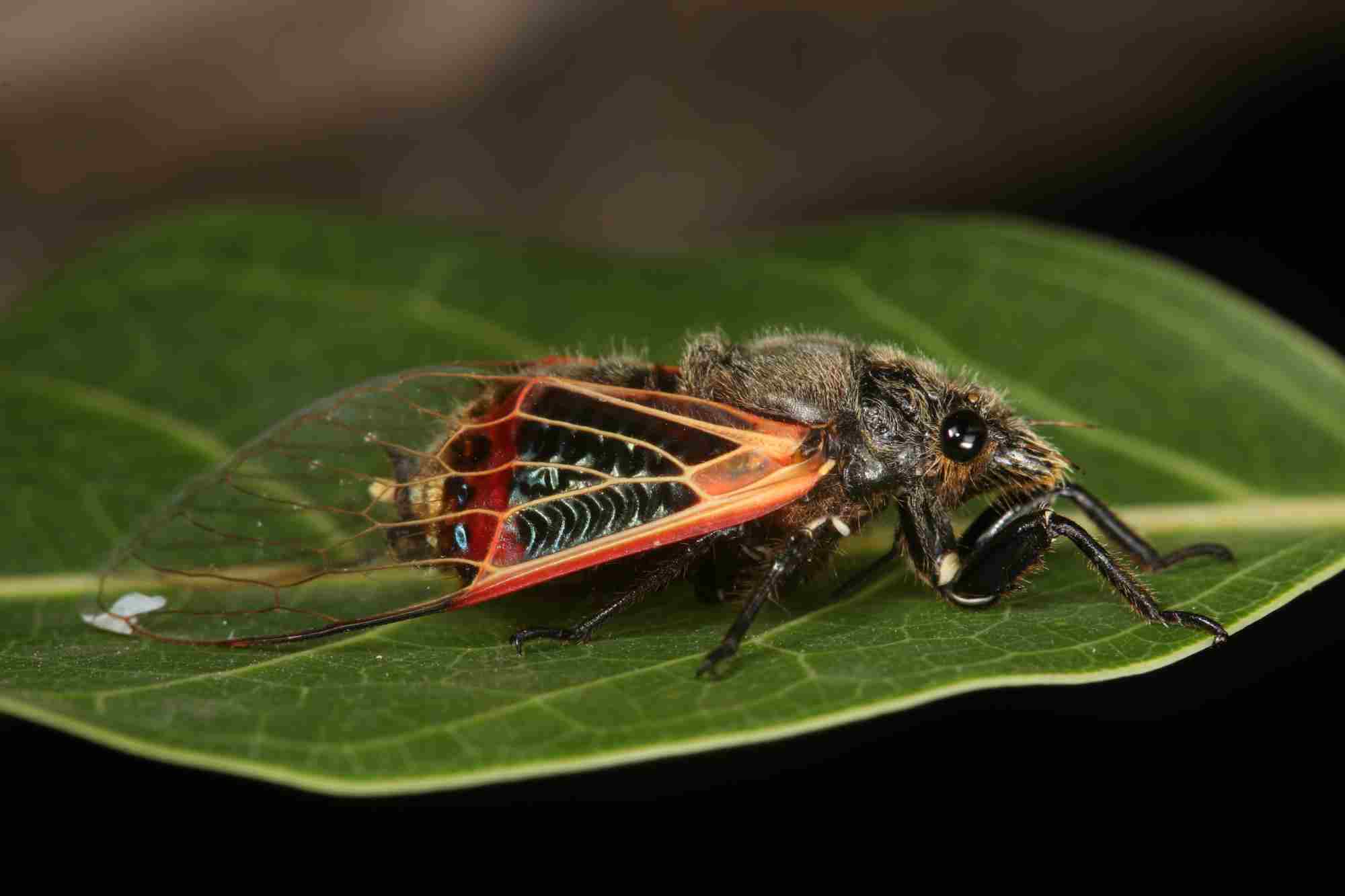
The shrill sound of a sword being sharpened against a grindstone rends the air. The din of their love song makes conversation impossible.
‘Did you know there’s a cicada named after you!’ says Vivek Sircar, research scholar at the World Wildlife Institute, Dehradun. Deflating me, in the next breath, he adds, ‘Mackinnon, the schoolmaster-turned-brewer, must have had a servant named Ganesh, whom he probably sent out to gather cicadas.’
‘I saw that specimen in the British Museum!’ he said almost in a matter-of-fact way.
I have with me a copy of In Search of the Picaresque by Fanny Parkes, who was the wife of a junior English civil servant. She travelled across India in the wake of the Viceroy’s tour. In March of 1838, she noted, ‘The situation is beautiful – the hills are magnificent and well-wooded. Having fixed on the spot for the house, the drawing-room windows face a noble view of the snowy ranges.’
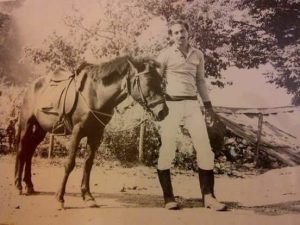
She was a cousin of Edmund Swetenham, a commandant of our convalescent depot. Out hunting in the Hathipaon area, the strains of a song sung by a local girl gathering fodder for her cows besotted him (much like Wordsworth’s The Solitary Reaper). Enchanted by the music, he trailed her home. She was aged fourteen, and he was twenty years her senior. However, Cupid had his own set of rules! He begged the incredulous father’s permission to marry her, which was given; along with it he gifted them this estate.
Fanny observes, ‘Cloud End is a beautiful mountain of about sixty acres covered with oak trees.’ Adding, ‘On this spot he had long wished to build a house and prepared a plan, but his duties as an engineer prevented his being long enough in the hills to accomplish the object.
‘A month later, the garden was laid out and seeds sown around the spot where a little tent was pitched beneath the trees.’ By July, the house was ready, including the bamboo hedge around the garden.’
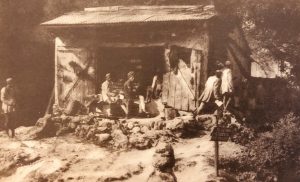
They named it after a peak opposite the family home in Edmontonia in Wales. They had six sons, one of whom perished in infancy, and five became colonels in the British Indian Army. In 1901, one of them, Col. R.A. Swetenham, was a signatory to the Charter of the Dehra Dun Club. One of the granddaughters, Louise, inherited the grandmother’s voice and was known as Mussoorie’s ‘Nightingale’. Another granddaughter married a nephew of the Victoria Cross recipient, Raynor. Afterwards, the estate devolved to two of the granddaughters. In 1965, Col. E.W. Bell, husband of one of them, sold the estate before leaving for England.
‘One of the Swetenham girls was so beautiful,’ reminisced old Jim Keelan, his eyes misting over. When I last met him, he remembered, ‘They hired a deaf and dumb servant who walked ahead of her, and, on seeing a stranger approaching, he used a large broom to stir up a storm of dust – to ward off the evil eye!’
Another legend associated with this house relates to an elusive bird – the mountain quail, which was last seen in the area. Is it elusive or extinct? Ornithologists differ, but it was last sighted in this area in November 1865 and spotted in Jharipani in 1867 by three people: one was a shikari, and the other two were naturalists. The bird was partial to Jharipani, as Captain Hutton found them scurrying about his home in 1867. The last person to see them alive was Major Carwithen, a hunter who shot the female of the pair.
I have met some birdwatchers who believe that the mountain quail migrated here from the thinly populated eastern part of Tibet. It was a bird of reclusive habits, fond of steep and grassy slopes from which it could not be easily flushed, for it had, like the dodo, nearly forgotten how to fly.
Who knows, someday it might return when the climatic conditions are similar to those of 1867 or 1868.
Until that happens, I’m afraid, we’ll have to be content with the ten specimens housed in the museums of the U.K. and America.
Either that, or this House of Love must suffice.
Ganesh Saili belongs to the hills, he is among those select few whose words are illustrated by their pictures. Author of two dozen books, some translated into twenty languages, his work has garnered recognition worldwide.