Garhwal Post Bureau
Dehradun, 29 Jun: While Mussoorie Dehradun Development Authority (MDDA) does hold some public consultations seeking feedback on its plans for Dehradun and in respect of the Master Plan for the city, most often the public consultations are not widely publicised nor a proper record of the suggestions and objections received is made. Often the suggestions are ignored to a large extent and the entire process of the public consultations appears to be a mere formality exercised in compliance to the law.
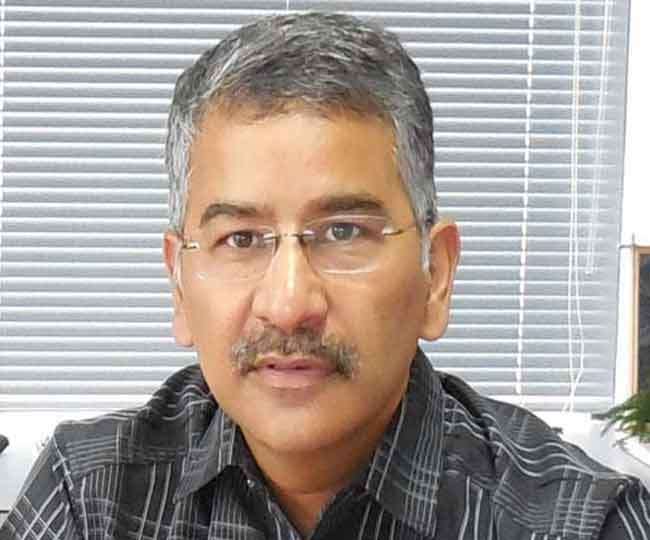
Social activist Anoop Nautiyal has written a letter to the Vice Chairman of the Mussoorie Dehradun Development Authority (MDDA) in which he has welcomed the authority’s decision to hold public consultations on the proposed Dehradun Master Plan but he has also suggested that the process be strengthened through dedicated city-level information sessions aimed at educating citizens about the broader vision for the city.
In his letter addressed to the Vice Chairman of MDDA in Dehradun, Nautiyal stated that he has recently come across a newspaper announcement outlining the schedule of public consultations on the proposed Master Plan. He appreciated the initiative taken by MDDA to engage the citizens and the stakeholders in what he described as a highly significant exercise that will shape the future of Dehradun.
However, after reviewing the announcement, Nautiyal expressed a concern that the proposed consultation programmes may largely turn into platforms where residents, institutions and various stakeholders present individual grievances, objections and localised issues. While acknowledging that such feedback is important and necessary in any democratic planning process, he observed that the larger objective of helping residents understand the overall framework and vision of the Dehradun Master Plan may not be fully achieved through this format alone.
Describing the Master Plan as one of the most crucial planning exercises for the city’s long-term future, Nautiyal suggested that MDDA should consider organising at least three major and exclusive city-level public information sessions in different parts of Dehradun. He emphasised that these sessions should not primarily function as grievance-hearing meetings but instead focus on informing and educating citizens about the comprehensive vision and strategy for urban development.
According to him, such sessions could present a clear picture of Dehradun’s current status, the major urban challenges confronting the city and the guiding planning principles behind the Master Plan. He suggested that detailed presentations could cover proposed land use strategies, transportation and mobility planning, environmental conservation measures, river corridor management, development of public spaces, housing strategies, disaster resilience, heritage conservation, infrastructure development and the broader long-term vision of making Dehradun a more sustainable and liveable city.
Nautiyal further stated that it is important for the citizens to understand not only what is being proposed under the Master Plan but also the rationale behind those proposals. He recommended the use of PowerPoint presentations supported by maps, visual illustrations and simple explanations to help residents grasp how the Master Plan intends to address existing problems while preparing the city for future growth. Such an approach, he noted, would enable citizens to participate in consultations from a position of greater awareness and would likely result in more informed, constructive and meaningful feedback.
He also emphasised in his letter that the public consultations are most effective when they combine listening with public education. By first explaining the vision, constraints and planning framework, MDDA could empower citizens to become informed partners in shaping the future of Dehradun rather than limiting the process to issue-specific complaints and objections.
Nautiyal has expressed hope that the authority would consider his suggestions in the spirit in which they were offered.