By Arun Pratap Singh
Garhwal Post Bureau
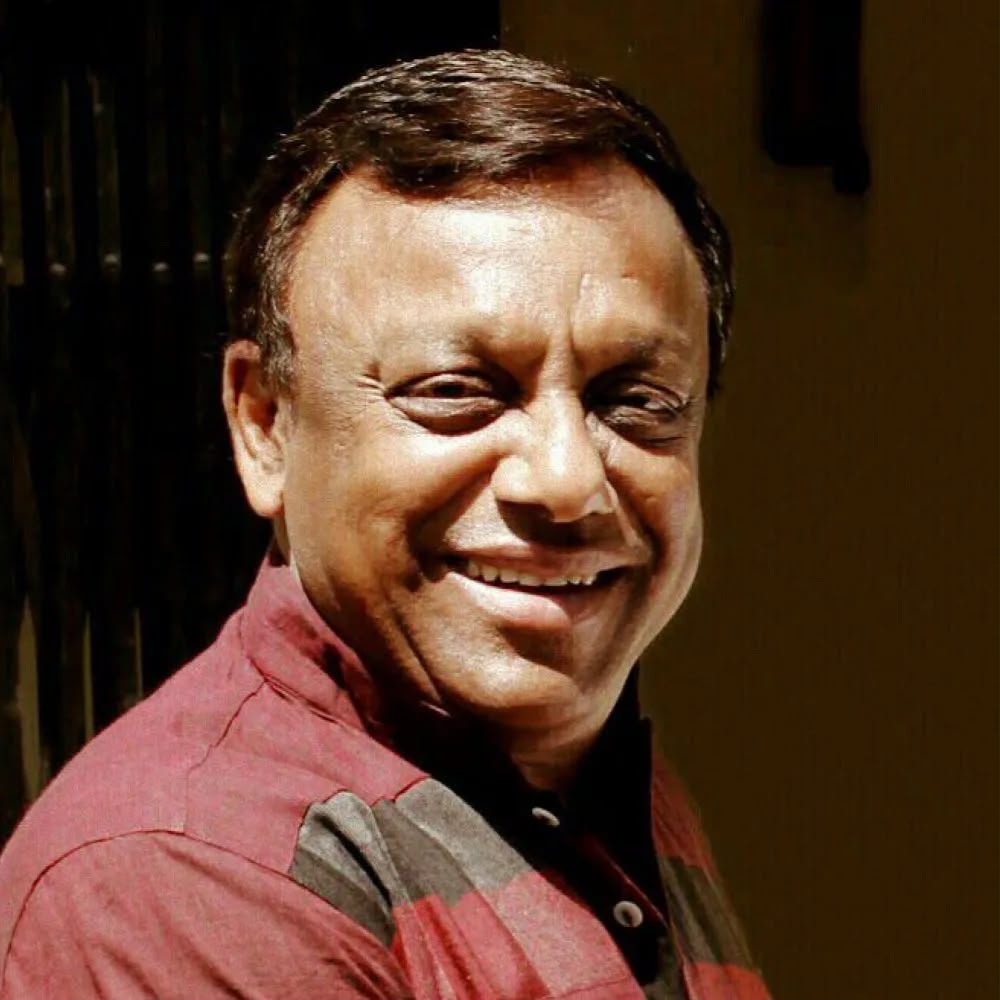
Dehradun/Rudrapur, 7 Aug: Padma Shri awardee Vaidya Balendu Prakash, one of India’s foremost Ayurveda physicians and an internationally acclaimed expert in Rasa Shastra, passed away today. He had a distinguished career spanning several decades in Ayurveda, research and patient care. He was the founder of Padaav Speciality Ayurveda Centre, presently based in Rudrapur in Udham Singh Nagar district, though the institution was originally established in Dehradun. This correspondent has had the opportunity to interview him on a couple of occasions in respect of his research projects related to Ayurveda for Garhwal Post.
Confirming the news, his daughter and noted Ayurveda physician Vaidya (Dr) Shikha Prakash, said that the last rites would be performed tomorrow at the family’s native place in Uttar Pradesh.
Widely regarded as one of the country’s leading authorities on Rasa Shastra, Vaidya Balendu Prakash earned national and international recognition for pioneering evidence-based Ayurvedic treatment protocols, particularly in the management of cancer and pancreatic disorders. His research on pancreatic diseases and integrative Ayurvedic therapies was published in reputed scientific journals and received appreciation from medical researchers across the world.
A recipient of the Padma Shri in 1999 for his outstanding contribution to Indian medicine, Vaidya Balendu Prakash was among the earliest proponents of evidence-based Ayurveda, striving to bridge the gap between traditional Ayurvedic wisdom and modern scientific validation. Through decades of clinical practice and research, he developed several standardised treatment protocols that significantly enhanced the credibility and acceptance of Ayurveda in contemporary healthcare.
He also served as the personal physician to former President KR Narayanan. Throughout his career, he remained deeply committed to advancing Ayurvedic science through rigorous research and innovation.
Vaidya Balendu Prakash was particularly known for his extensive work in Rasa Shastra, the branch of Ayurveda dealing with the therapeutic use of mineral and metallic preparations. He undertook collaborative research with leading universities and national scientific institutions, including the Council of Scientific and Industrial Research (CSIR), on pancreatic diseases and other chronic ailments. His pioneering work on the therapeutic use of various Ayurvedic bhasmas in clinical practice earned him widespread respect within the medical fraternity.
Through Padaav Speciality Ayurveda Centre, he established a unique model of specialised Ayurvedic healthcare that attracted patients from across India and abroad seeking treatment for complex and chronic diseases. Under his leadership, the institution gained a reputation for combining classical Ayurvedic principles with scientific documentation and research-based clinical practice.
Vaidya Balendu Prakash authored numerous research papers and publications and received several national and international honours during his lifetime. His work helped shape a new generation of Ayurveda practitioners by demonstrating that traditional medicine could be strengthened through scientific validation without compromising its classical foundations.
His passing has been widely mourned by the Ayurveda fraternity, researchers, patients and admirers across the country. Many remembered him not only as an outstanding physician and researcher but also as a visionary who devoted his life to establishing Ayurveda as a credible, accessible and globally respected system of medicine.
He is survived by his family, including his daughter, Vaidya (Dr) Shikha Prakash, who continues to carry forward his legacy in Ayurvedic healthcare and research. His death marks the end of an era in evidence-based Ayurveda, but his pioneering work and contributions to integrative medicine are expected to continue inspiring generations of physicians and researchers.
His wife Gopa Indu informed Garhwal Post that Vaidya Balendu was a heart patient and died due to sudden heart attack. He was 67.