 By Ganesh Saili
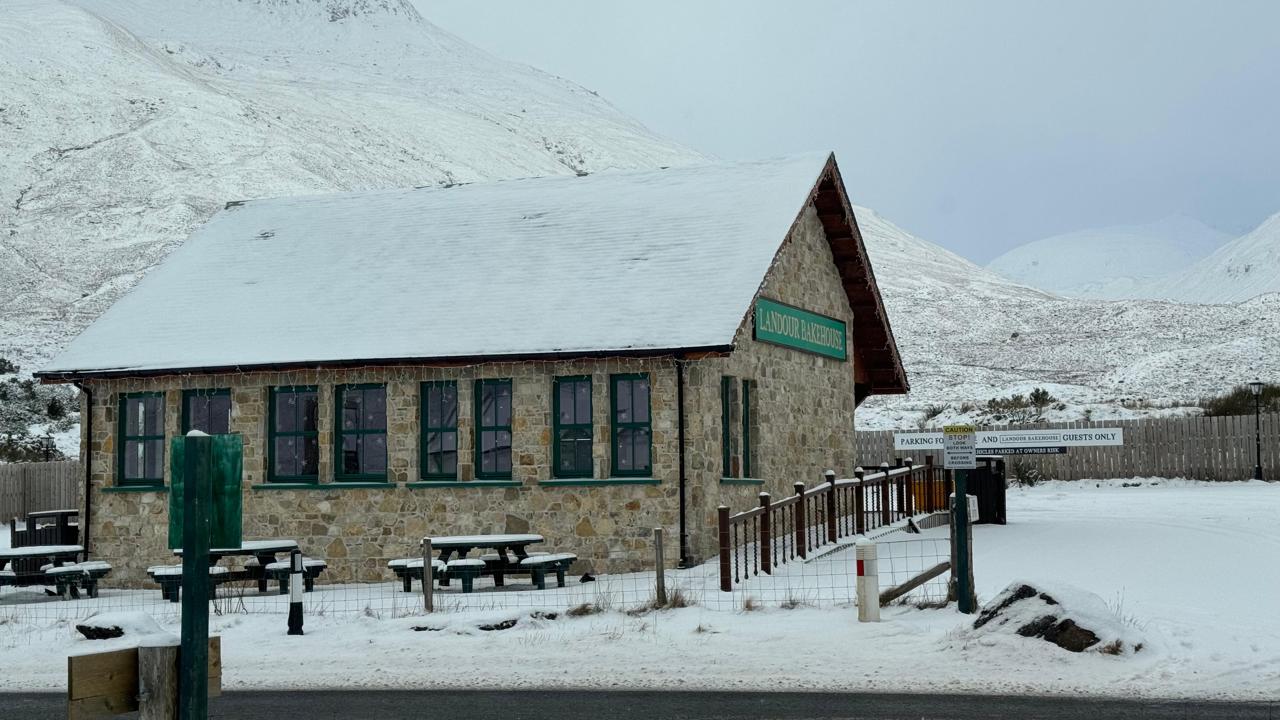
‘Where’s Bakehouse? Or Back-house? Or Cake House?’ The questions begin at Kishenpur Chungi, thirty-odd kilometres before one gets to Mussoorie. There, the motor road splits into two: one takes you past Kothalgate, and the other takes you up Rajpur. Is it just laziness that makes the visitors ask stupid questions, or do they not trust their own GPS?
The same question repeats itself outside Mullingar Hill. Anyway, the signage put up by the Ramgir authorities is more confusing. ‘Which way to Landour’s Chardukan or Lal Tibba or Bakehouse?’ Gen Z asks the bewildered constable.
Pic courtesy: Sumit Kumar
‘Five hundred rupees is all you need to get to Mussoorie – sometimes one or two, or in rare cases three people might get to Landour,’ says a PDR constable.
On Instagram, a video teaches you the ‘how-to’ of ducking Shanta Devi (the relict of Manori Semwal, the old chowkidar of the Landour cemetery). For years he used to keep an eye on the graves till a brief illness snatched him away. There is no Eureka moment; the video merely tells you to wait till she leaves to herd in her cattle, and then you clamber over the gate to gawk at the graves.
Death is the end of all life. It waits for us all. The problem is, what do we do with the remains? The Semwals live within this cemetery. They make no bones about it. One night, Manori had to raise his ancient muzzleloader and fire a warning shot in the air. The sound of the gun going off ended a lover’s squabble that had carried on well past midnight at the hawa ghar nearby. Crimes are generally rare in the station, or you could say that they are few and far between. On the rare occasion that a crime does occur, it is more likely than not that visitors from somewhere else brought their problems with them. In this case, a love triangle came to a grisly end. The morning after, the trail of blood led the constabulary straight to the perpetrators.
Manori used to tell me: ‘In November 2017, a car stopped outside the lychgate. The Angrez in it took out what looked like headstones and placed them at the head of eight graves commemorating those who had died during the 1st Great War. Sadly, they were all boys in their twenties.’
Buried in these consecrated grounds are folks who had lived their lives in Mussoorie. For instance, my friend Ronnie Kapadia, who was the Estate Manager of Woodstock School. Saroj, his wife, moved to the USA, where she lived with her son Fali. When she passed away several years later, Fali brought her remains from America to be placed alongside him. I remember the rituals, basically, ‘ashes to ashes, dust to dust!’
Another dear friend joined his ancestors on April 6th, 2010. He was a contemporary of mine who turned faith-healer. Mulk Raj Das rests on the lowest terrace, facing the eternal snows. After spending half a life studying at the University of Kyiv, he discovered that he had the gift of touch therapy. If the crowds clogging the roads around Spring View were anything to go by, it must have worked.
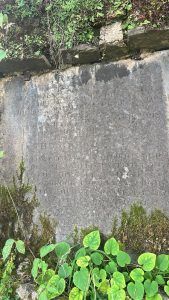
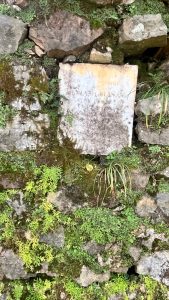
It was here, on the uppermost terrace wall, that Ruskin Bond and I found plaques stuck on the wall with lime and lentil mortar, the names almost erased. Ironically, some of these predate the hill station by many years. These early botanists came from the universities of Ireland to the Botanical Gardens, Saharanpur, which was situated in the old Arram Baksh garden. It was headed by a twenty-nine-year-old Hugh Falconer, its first superintendent. He lived in a cottage situated near Vermont. Living next to him in today’s Manav Bharati was Proby Cautley. He was older by six years. It is hard to put a bead on what exactly brought the two together, given their diverse backgrounds; they blazed a trail through the annals of palaeontology, discovering and cataloguing what are called the Doon Valley fossils.
These graves are a perennial reminder of the British presence in the hill station. And all you need to erase that memory are a few more intruders.
(Ganesh Saili, born and homegrown in the hills, belongs to those select few whose words are illustrated by their pictures. Author of two dozen books, some translated into twenty languages, his work has found renown worldwide.)