By Dr Niharika Singh
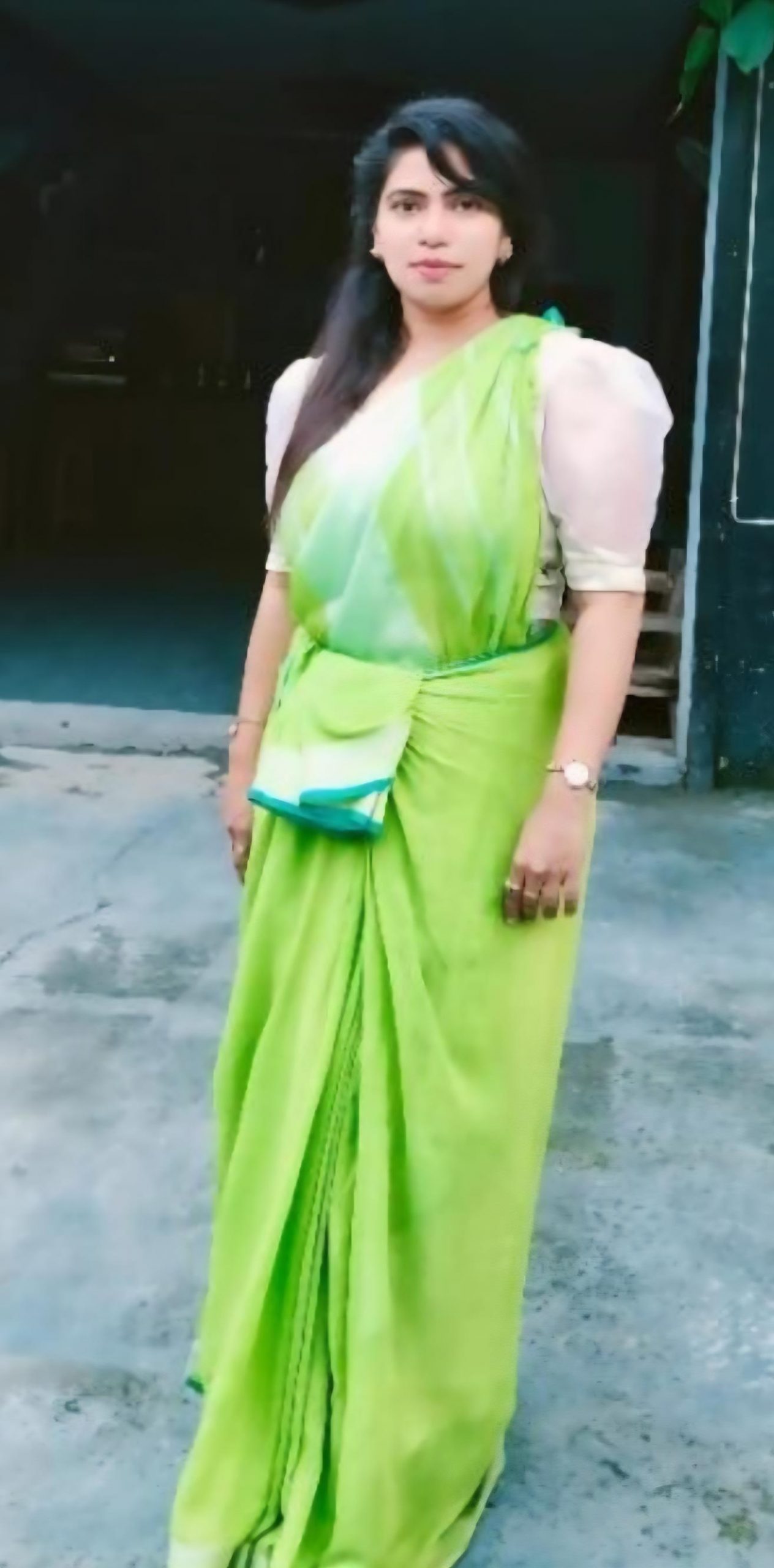
As the hill state prepares to celebrate Igaas — the festival of light, livestock, and thanksgiving — it is time we celebrate not just our rituals, but also our roots. Among the many treasures of Garhwal’s cultural heritage, the Gathi sari drape stands as a beautiful reminder of the elegance, resilience, and practicality of Uttarakhand’s women.
A Drape Born from the Hills
The Gathi sari, also known as Gati or Gaati, is a traditional way of wearing the sari unique to the Garhwal region. It evolved naturally from mountain life — where women balanced daily chores, long walks through steep slopes, and festive gatherings with equal ease. The drape is designed to be secure, comfortable, and graceful. The pleats are tucked tightly around the waist and between the legs, allowing complete freedom of movement while keeping the sari in place. This clever adaptation turned a simple piece of fabric into a garment of strength and grace — perfectly reflecting the character of Garhwali women who worked hard yet carried themselves with quiet dignity. Practical and Fashionable In today’s fast-paced world, the Gathi sari is being rediscovered for the very same reasons it was created centuries ago. Its carefree yet elegant structure makes it ideal for women who wish to blend tradition with comfort. The drape fits close to the body, making it easy to move, travel, or work without worrying about constant readjustment. When styled with modern blouses, belts, or jackets, the Gathi sari transforms into a fusion of heritage and contemporary fashion — equally fit for festivals, cultural events, or daily wear.
Fabrics, Colours, and Tradition
Traditionally, Gathi saris were woven from handspun cottons and wool blends, suited to Garhwal’s cool climate. Women often preferred deep reds, greens, maroons, and indigos, accented by simple borders and paired with silver jewellery. These colours reflected the landscape — the earthy tones of the hills and the vibrancy of local life.
Revival Through Pride
Though once a common sight in Garhwali homes, the Gathi sari is slowly fading from everyday life. Yet, a growing number of Uttarakhandi designers, cultural enthusiasts, and social media creators are helping bring it back. They are documenting the drape, teaching it to younger generations, and reintroducing it as a proud symbol of regional identity.
Celebrate Igaas with Your Heritage
This Igaas, let us honour not just the traditions we perform, but the heritage we wear. Drape yourself in a Gathi sari — a garment that carries the rhythm of Garhwal’s mountains, the warmth of its people, and the grace of its women. By reviving and wearing the Gathi drape, we keep alive the stories of our mothers and grandmothers — women who walked the slopes of Uttarakhand with beauty, purpose, and pride. Let this Igaas be more than a celebration — let it be a revival.
(Dr Niharika Singh is a textile and fashion designer and researcher specializing in sustainable textile practices, craft documentation, and the revival of traditional draping and weaving techniques of Uttarakhand.)