All Around the World with the Most Travelled Indian
 By Nitin Gairola
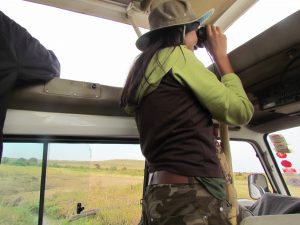
On day 3 of our Kenya trip, our safari driver, Gereld, decided to take us deeper into the Masai Mara grasslands. And right out of the popular TV show of the 80s, ‘The Big Cat Diaries’, he took us to an area called the ‘Leopard’s Gorge’. And with a name like that, we were hoping to see a leopard here and a leopard there but for an hour the leopard was nowhere. In fact, we saw more leopards outside the so called ‘Leopard Gorge’ than in it. I guess the shy cats were already weary and wary of us humans and our long lenses, and decided to move to another less-known neighbourhood.
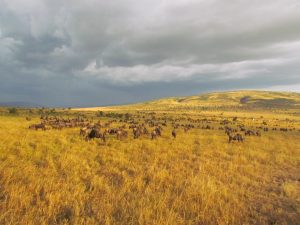
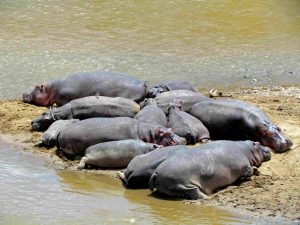
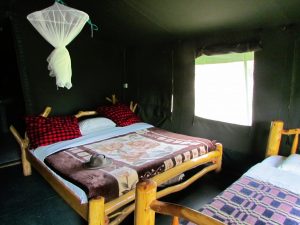
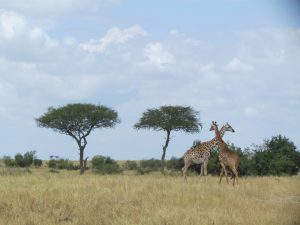
However, the drive was fantastic I have to say and the day went on with 2 safaris – the morning and the evening one. We continued to see the endless plains filled wildebeest and zebras besides all the hoofed giants such as the giraffes, the angry bulls (sounds like a mix of angry birds and red bull), a bloat of hippos and ‘tons’ of big tuskers – the giant African Elephant. There was one taking down a big tree in either anger or a show of strength or both. It all perfectly built up the scene for a Tusker beer in the afternoon (and later at sundown) and that night I had the strangest dream. I dreamt a lion had entered our tent (like out of the movie ‘Ghost & the Darkness’) and was right over me and I was trying to defend myself with just a knife. In the real world this would have been over in a jiffy in favour of the lion, but in the dream world I simply got up from my deep REM slumber and drank some water and just heard the sounds of the African night for a while. The memory is still fresh in my mind since the dream felt so real. It is also a mini- hallucinatory side effect of an anti-malarial medical (cheap one) which I immediately stopped after this, in favour of the milder (and more expensive) one that is the gold standard for saving yourself from malaria. Remember there are no vaccines for malaria but there are preventive medicines and the malaria of Africa (falciparum) is a more severe one than that of India (vivax).
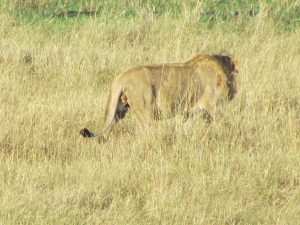

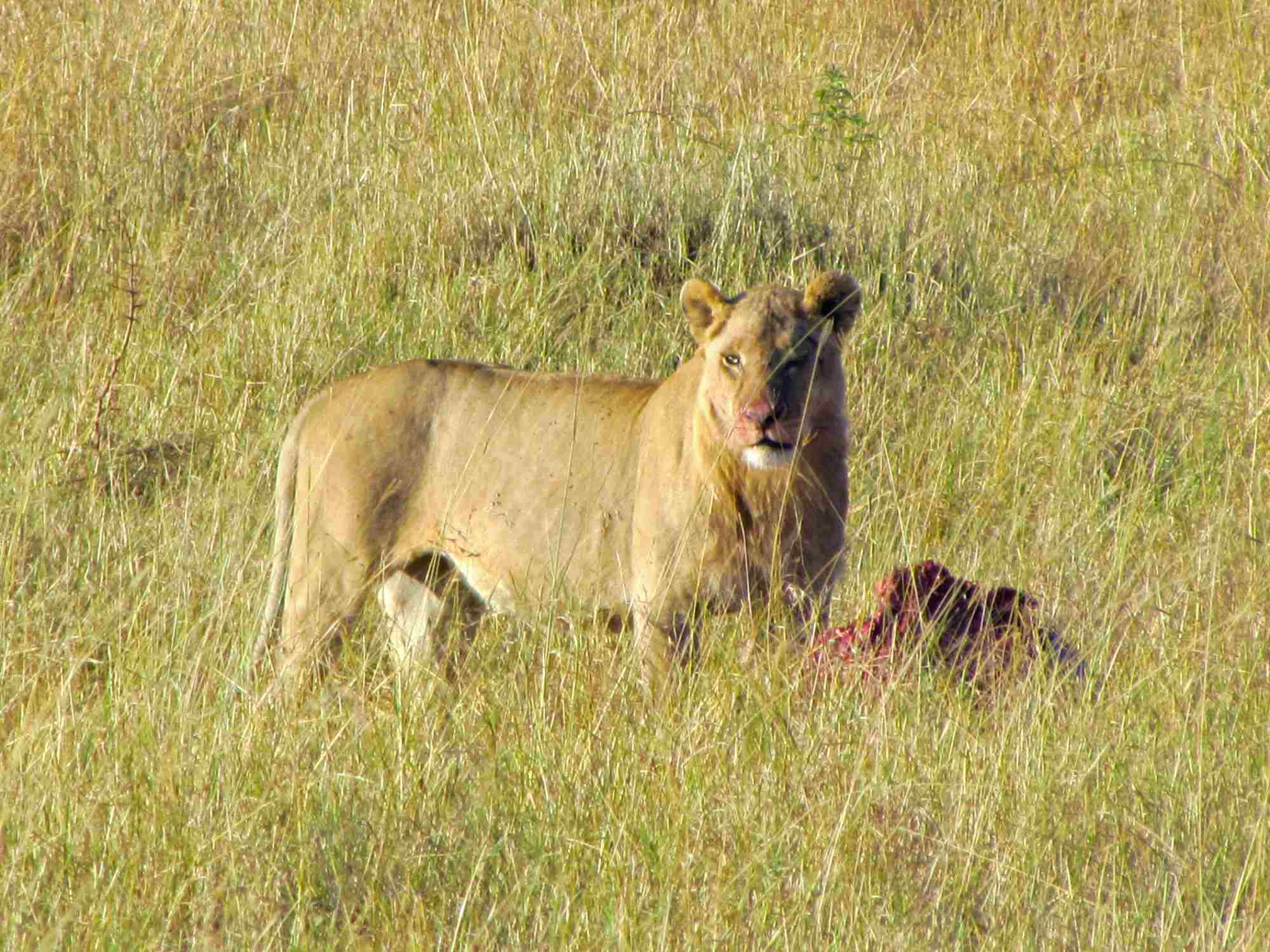
There was another safari the next morning and we saw lots of big male lions (the Mara is particularly known for its huge male lions as is the Serengeti and Ngorongoro) since besides Kenya and Tanzania, I have hardly seen large male lions with manes in other parts of the great continent. In my personal experience I have seen the smaller males elsewhere (with lesser manes and hence less impressive) and also the smaller lionesses. That’s why, in my opinion, Kenya and Tanzania are the places to go to if this is what you are chasing, since a lot of us (including me) are fascinated but the mega fauna and the keystone species. The keystone species in the wildlife tourism industry are crucial for the health of an ecosystem since most tourists come to see them, and these require a lot of space & territory to survive as they need a lot of prey for themselves. And because they need a lot of territory, the governments are forced to earmark more safe space for them (like national parks or reserves) so that the tourist dollars keep flowing in. and so this returns more of the wild back to the wild and that helps increase the population numbers of other less charismatic, but ecologically critical, smaller fauna and flora.


And with that was our time in the Mara was drawing to a close and we had to move to our next national park – Lake Nakuru, the same afternoon. It had rained a bit and that wasn’t great for flamingo viewing (like the ones you see in ‘Out of Africa’). Besides, at that time we were not even aware that it was the wrong season for flamingos and other birds in this particular lake and there was a better option nearby. In hindsight we would have chosen Amboseli National Park along with Masai Mara and not Lake Nakuru but that’s how you learn. So, we kept our minds open, and waited for the Sun to rise the next morning. The elephants of the Mara had gone into the sunset the day prior and Lake Nakuru Park was for the birds (literally, not figuratively). But there were some mega fauna surprises in store here as well. One was so big that we have not seen that elusive species since.


This is how wildlife and life is – You don’t always get what you wanted but at times you still make a memory to last a lifetime, just because you gave it a try. As Gereld took us deeper into The Mara, The Mara itself took us deeper into ourselves to understand what we truly valued and what makes us come alive. The measure of a life fully lived is not just in the number of years, but in doing what makes you feel alive every day while here in this world. Why live a life only half-alive?
[This piece is dedicated to my childhood friend, Abhimanyu, who left the Earth exactly 5 years ago on 14th June’21]
Nitin Gairola, often considered the ‘Most Travelled Indian’, is a Natural World Traveller from Dehradun. Inspired by Sir David Attenborough, he is on a quest to become the first person to travel to the entire natural world of every major forest, desert, grassland, tundra & ice biome on Earth, besides every major country. This multi-year project is called ‘Borderless Biomes’ and Nitin has also set world travel records certified by India Book of Records, has written for Lonely Planet, holds National Geographic conservation certifications, is a senior corporate executive in an MNC and loves bio-geography. In his early days, he used to be a published poet as well. Join him @ www.instagram.com/MostTravelledIndian/