Travelure
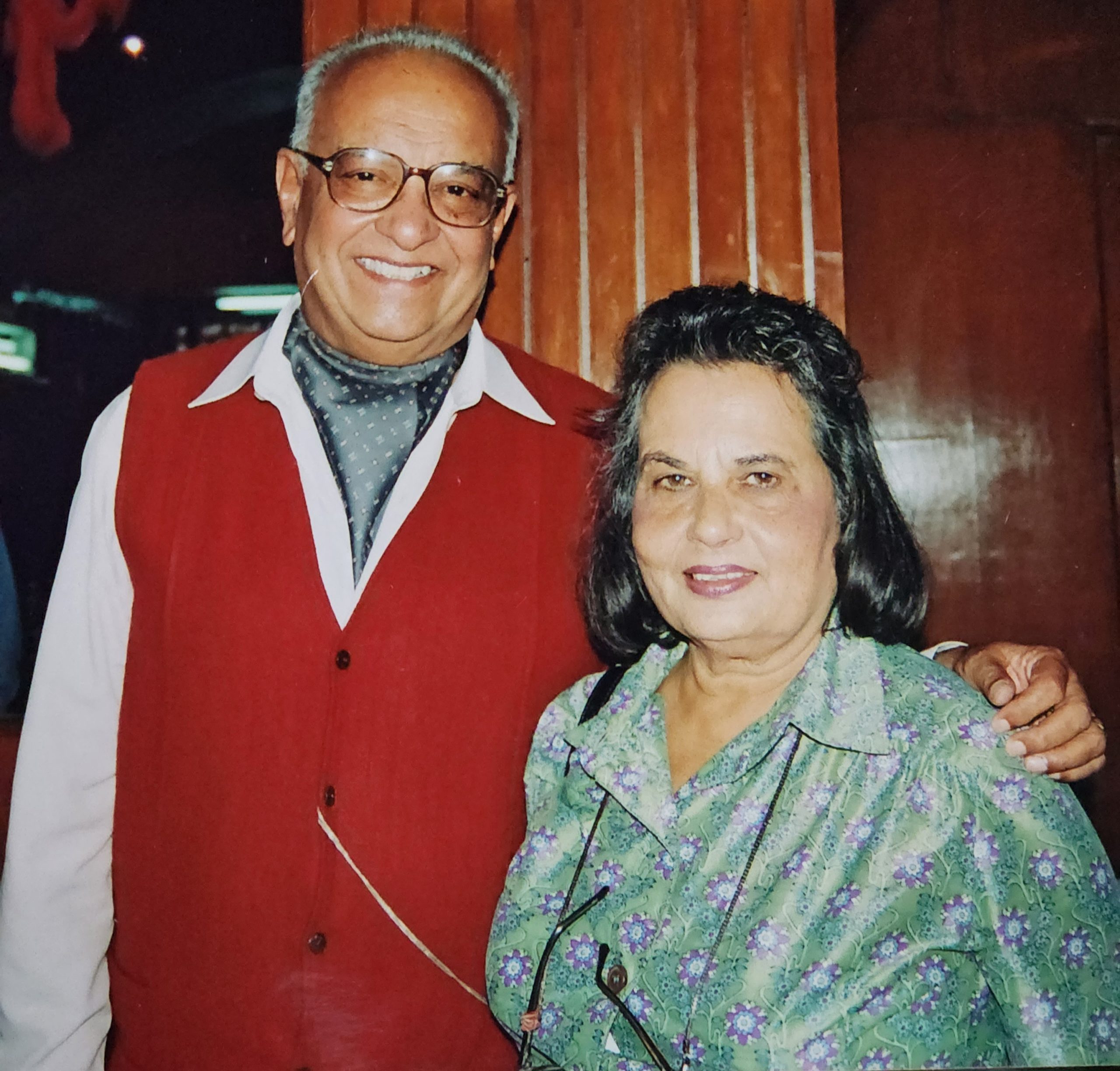
By Hugh & Colleen Gantzer
A Pole Position in an Automobile Race is a position on the racetrack most favoured by competitors. It is won by past achievements. Our Himalayan State’s past achievements had earned this distinction even before we became a separate state. Sadly, our netas don’t seem to realise this. We are still attached to the ‘Double Engine Metaphor’. The Double Engine is needed to haul loads up the steep gradients from the lowlands to the highlands. But we in Uttarakhand are already in the highlands. We do not need the Double Engine. All we need is to make our Himalayan State attractive enough for the lowlanders to want to visit us. They can use a Single Engine or a Double Engine without involving us. We don’t need to help them to get to Uttarakhand.
But have we made our Himalayan state attractive enough to achieve continued prosperity? We certainly had before Independence by a mixture of good luck, great marketing and sound management. This is what our new book, MUSSOORIE LOVE CHILD OF THE HIMALAYAS, is about. If our Himalayan state handles its development carefully, then from pole position we will be assured of being the most advanced and prosperous state in India.
In our last column we had proposed that Uttarakhand could promote film shooting in our state. That will provide opportunities for our bright young people in a high-tech industry. It will also make it worth our while to preserve the pristine locales of our beautiful state.
Finally, it will ensure continued publicity to the myriad natural attractions of our cool, green environment. Our natural environment is our greatest asset. As urban lifestyles grow faster and faster and the barrier between home and workplace diminishes, people need to slow down when they are on their holidays, and they are willing to pay to unwind.
This was brought home to us when we interviewed a Mussoorie family which had spent a holiday in our offshore islands. They basked in the down-to-earth natural environment and the simplicity of the lifestyles of the local people. They had absolutely no hesitation in paying for the very simple delights.
To start with, therefore, you need many more hill resorts to appeal to the growing numbers of young, affluent, aspirational Indians. We could consider asking entrepreneurs to take leases in our ghost villages. Till we develop suitable reticulated, that is centipede-like, transport to these village resorts could be served by helicopters. The number of rich pilgrims who opt to travel by helicopters assures us that a well-managed village resort will have enough customers. This will eliminate the need to build broad roads in our fragile mountains even though such cement guzzling structures are what crony capitalists and their political partners want!
We believe that our beautiful mountainscapes have suffered by the imposition of so-called development policies. Development in the South Pole was curtailed by international agreements because over-exploitation would lead to global disasters. In 1933 Marcel Kurz, the great Swiss geographer, mountaineer and explorer coined the term Third Pole. That term now includes the entire Himalayas. Nowadays the Himalayas are also called the Water Tower of Asia. They have earned this name because the ice fields of our mountains hold the largest reservoir of fresh water outside the North and South Poles. The melted ice water from these ice fields flows into the Ganga and Brahmputra basins recharging these great rivers and maintaining the lives of at least 670 million people. This is all part of the natural freshwater distillation and circulating system.
As the sun heats the ocean in summer it evaporates water vapour which rises to form clouds. These clouds are carried high into the sky and they move northwards till they meet the barrier of the Himalayas. They are turned back and shed their water vapour as rain. This seasonal rain is called the Monsoon and it irrigates the most fertile and populous areas on earth: the Ancient Monsoon Lands. If this yearly life-supporting water hydrological cycle is disturbed the result will be a calamity.
We in Uttarakhand have earned our Pole position in the crucial Third Pole of the World. It is our duty, responsibility and obligation to ensure that nothing disturbs us from discharging this duty to mankind. Particularly not the false obligation to the so-called Double Engine!
(Hugh & Colleen Gantzer hold the National Lifetime Achievement Award for Tourism among other National and International awards. Their credits include over 52 halfhour documentaries on national TV under their joint names, 26 published books in 6 genres, and over 1,500 first-person articles, about every Indian state, UT and 34 other countries. Hugh was a Commander in the Indian Navy and the Judge Advocate, Southern Naval Command. Colleen is the only travel writer who was a member of the Travel Agents Association of India.) (The opinions and thoughts expressed here reflect only the authors’ views!).