Garhwal Post Bureau
Dehradun, 21 Apr: Prominent business leaders of Dehradun, representing a wide spectrum of sectors, convened for a roundtable discussion on the theme, “Local Businesses and Law Enforcement – A Dehradun Perspective”. The dialogue served as a crucial platform to deliberate on the growing concerns related to law and order, governance gaps, and their direct implications on the city’s business environment and social fabric.
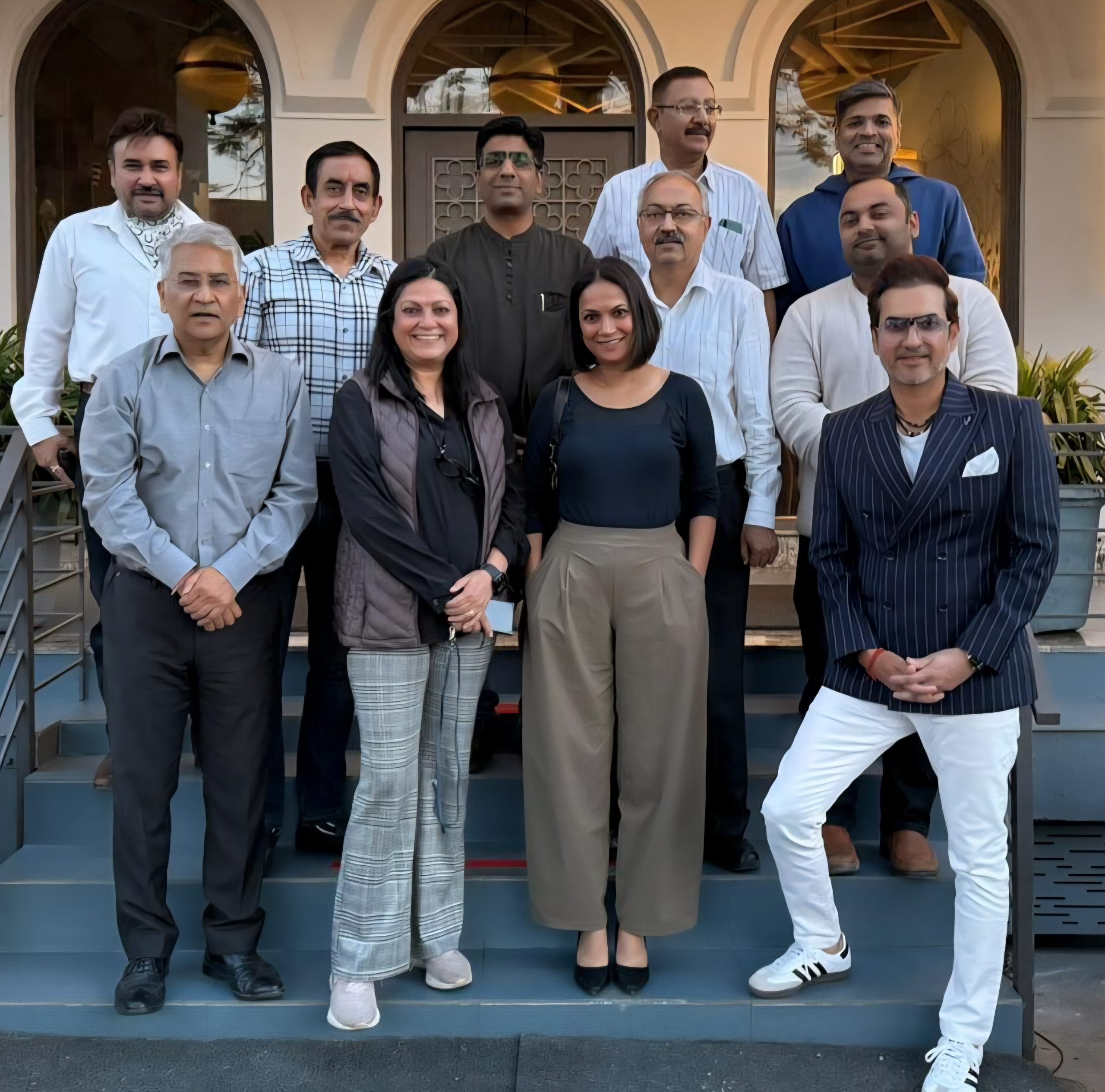
The session was jointly organised by social worker Anoop Nautiyal and city-based restaurateur Anand Kanti. Participants included representatives from hospitality, hotel, education, transport, industry, retail and other key sectors, all of whom shared a unified concern over the perceived decline in law enforcement and administrative responsiveness in the city.
During the discussion, participants expressed serious concern over what they described as a weakening enforcement framework, marked by unregulated activities, inconsistent implementation of rules, and lack of accountability. Many speakers noted that such gaps have created an environment of uncertainty, affecting not only business operations but also the safety and confidence of citizens.
A recurring theme was the perceived disconnect between stakeholders and authorities. Participants highlighted that genuine concerns raised by businesses and citizens often remain unaddressed, leading to frustration and erosion of trust in governance systems. There was a strong collective call for transparent, accountable, and responsive administration, supported by effective coordination between departments.
Members from the hospitality and healthcare sectors specifically pointed to the ambiguity in rules and regulations governing their operations. While reiterating their commitment to full compliance, they emphasised that unclear and inconsistent policies often result in confusion and unintended violations. They urged the government to establish well-defined, uniform guidelines that ensure fairness and a level playing field for all.
The discussion also touched upon the challenges posed by intense and, at times, unhealthy competition within the market. Participants observed that such pressures may push some businesses towards compromising on standards and regulatory norms, ultimately harming the credibility of the overall business ecosystem. It was agreed that alongside stricter enforcement, there is a need for collective self-regulation and ethical business practices.
One of the key suggestions that emerged was the need for better planning and regulation of rapidly expanding sectors, particularly tourism and nightlife establishments. Participants emphasised that growth should be guided by sustainability and infrastructure capacity, rather than being left unchecked. The idea of capping certain activities was discussed as a preventive measure to maintain balance and avoid long-term challenges.
In addition to systemic reforms, several practical recommendations were proposed to improve coordination and compliance. These included introducing clarity in serving time regulations, such as allowing a reasonable window beyond the last order time to ensure smooth operations without ambiguity. Participants also suggested the creation of official WhatsApp groups at the police station level involving bar and restaurant operators to facilitate real-time communication, reporting, and transparency.
Another recommendation focused on licensing reforms, including giving preference to local domicile holders, inspired by models adopted in states like Goa. This, participants felt, would enhance accountability and reduce violations linked to lack of local responsibility. At the same time, speakers emphasised that issues like road accidents and public safety should be addressed through a holistic approach, rather than attributing them solely to nightlife establishments.
Participants also cited examples from cities such as Chandigarh, where stricter enforcement combined with responsible public behaviour has enabled better compliance, even with extended operating hours. They stressed that enforcement and behavioural change must go hand in hand.
A major concern raised during the discussion was the rising incidence of anger, aggression, and substance abuse among youth, particularly in schools and colleges. Participants highlighted the urgent need for stricter monitoring, awareness initiatives, and coordinated action involving educational institutions, parents, and law enforcement agencies.
Specific suggestions were made to strengthen discipline at the school level, including strict enforcement against underage driving, mandatory helmet use, and increased parental accountability. Additionally, the need for proper verification and monitoring of students residing in PG accommodations and hostels was emphasised. Participants recommended mandatory police verification, maintenance of movement records, and regular inspections to prevent misuse and ensure safety.
The discussion concluded with a shared resolve to take this dialogue forward by engaging a broader set of stakeholders, including citizens, institutions, and policymakers. Participants reiterated that improving law and order is a shared responsibility and requires sustained collaboration between administration, enforcement agencies, and the community.
The meeting saw active participation from Anoop Nautiyal and Anand Kanti as organisers, along with Anupama Joshi, Ella Garg, Kunal Shamsher Malla, Randhir Arora, Navneet Oberoi, Rasik Bhatia, Avinash Tiwari, Madhav Dalvi, and Hemant Koorich. Together, they underscored the urgent need for coordinated action to restore confidence, strengthen governance, and ensure a safe and sustainable future for Dehradun.