All Around the World with the Most Travelled Indian
 By NITIN GAIROLA
Maasai are probably the most celebrated tribe in the world of tourism, especially African tourism, with their recognizable bright red checked cloth and their famous ‘jumping’ dance. The Maasai live across Kenya and Northern Tanzania in East Africa. The fascination of tourists with this colourful tribe is aided by the stunning savannah landscape which provides the perfect backdrop to the experience, as you can image our ancient ancestors had when they roamed Africa. And that’s why now our imaginations can’t delink the lions of the Serengeti and Masai Mara or the Elephants at Amboseli in Kenya with the Maasai people themselves. They have lived on this land for years. This is their land.
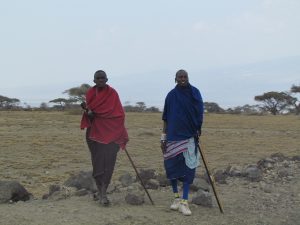
During our African safari adventure and between one national park to the other, we passed by many Maasai villages. While the focus was firmly on viewing the wildlife, we were growing more and more intrigued with the Maasai and wanted to spend some time interacting with this beautiful tribe. As it turned out, our safari guide said that it could be easily arranged, in exchange for a few dollars of course.
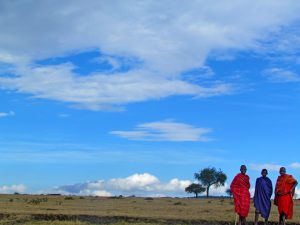
And so, on a still African morning, we drove into their village. Our guide took the necessary permissions and fixed the commercials and before we knew it, the ‘show’ was on. We, along with a grumpy but a good-at-heart Danish man, were the only ones there and so the morning was ours to soak in to.
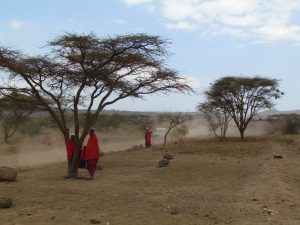
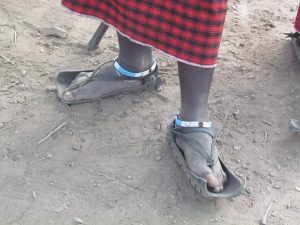
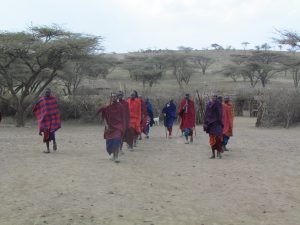
The Maasai men and women formed two separate groups for the dance and this is how we were greeted. The men performed their signature Adamu or the jumping dance where the entire group sings and the young males try to outdo each other by jumping higher and higher in the air. The women form a circle around them and start chanting as well. While this song and dance is a show for the tourists, it must be known that the Adamu is an integral part of the Maasai culture and the jump is a sign of their manhood.
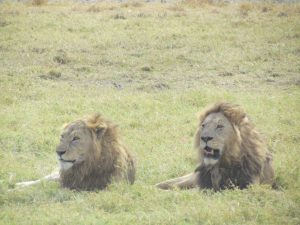
After this amazing start to the day, things started to slow down and we were able to sit and speak with the villagers. A few of them could converse in basic English so we asked them all the questions we could, such as what they ate, which festivals they celebrated, their everyday life in the savannah and whether or not they are connected to the cities. We were given great insights into this, were shown around the village and we also confirmed what was told – that the Maasai drink the blood of their cattle (without culling them).
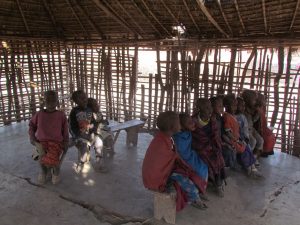
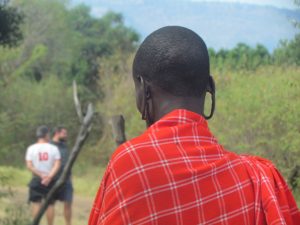
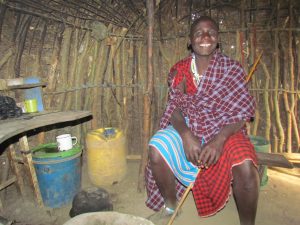
After that very strange diet (for us), we went inside their mud huts, saw how they cooked their meals and even visited a small class room for teaching children (which is not just an emotional sell but schooling for the young is actually a major focus area for the Maasai thanks to many modern European travellers and diplomats). And while it was clear that their purpose of having us over was the money we provided, they were genuinely hospitable and their unique culture is very much true and alive even in the 21st century.
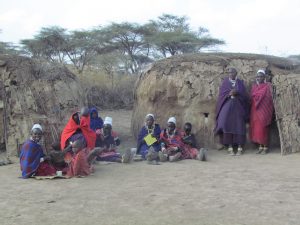
The Maasai are a very proud warrior clan and have lived on this land for centuries. They are nomads of the open sky savannah home of theirs and maintain their traditions in the face of the modern world. Now many of the young Maasai are also playing a critical role in monitoring and protecting the wildlife in their national parks and in reducing conflict between man and beast. We were glad to have a glimpse into their lives and would recommend others as well.
And just like that our time had come for our ‘out of African’ moment (temporary of course). Chris, our tour owner, gifted us a red checked Maasai shawl when we were leaving and I knew I had a lifelong friend in him. As we were waiting it the terminal building that evening in Nairobi, I saw our Kenya Airways plane approach the gate, with golden sunlight falling on it. Its logo was ‘The pride of Africa’ and my thoughts went to the coalition of three big large male lions walking majestically in the dry brown Savannah, with the sun setting on the horizon and a Maasai warrior keeping lookout. The ghosts of the grass were going to walk into the darkness to rule the African night.
(Nitin Gairola, often considered the ‘Most Travelled Indian’, is a Natural World Traveller from Dehradun. Inspired by Sir David Attenborough, he is on a quest to become the first person to travel to the entire natural world of every major forest, desert, grassland, tundra & ice biome on Earth, besides every major country. This multi-year project is called ‘Borderless Biomes’ and Nitin has also set world travel records certified by India Book of Records, has written for Lonely Planet, holds National Geographic conservation certifications, is a senior corporate executive in an MNC and loves bio-geography. In his early days, he used to be a published poet as well. Join him @ www.instagram.com/ MostTravelledIndian/)