Culinary Chronicles
The Art of the Graze: Why we’ve always Eaten with Our Eyes first
 By Yasmin Rahul Bakshi
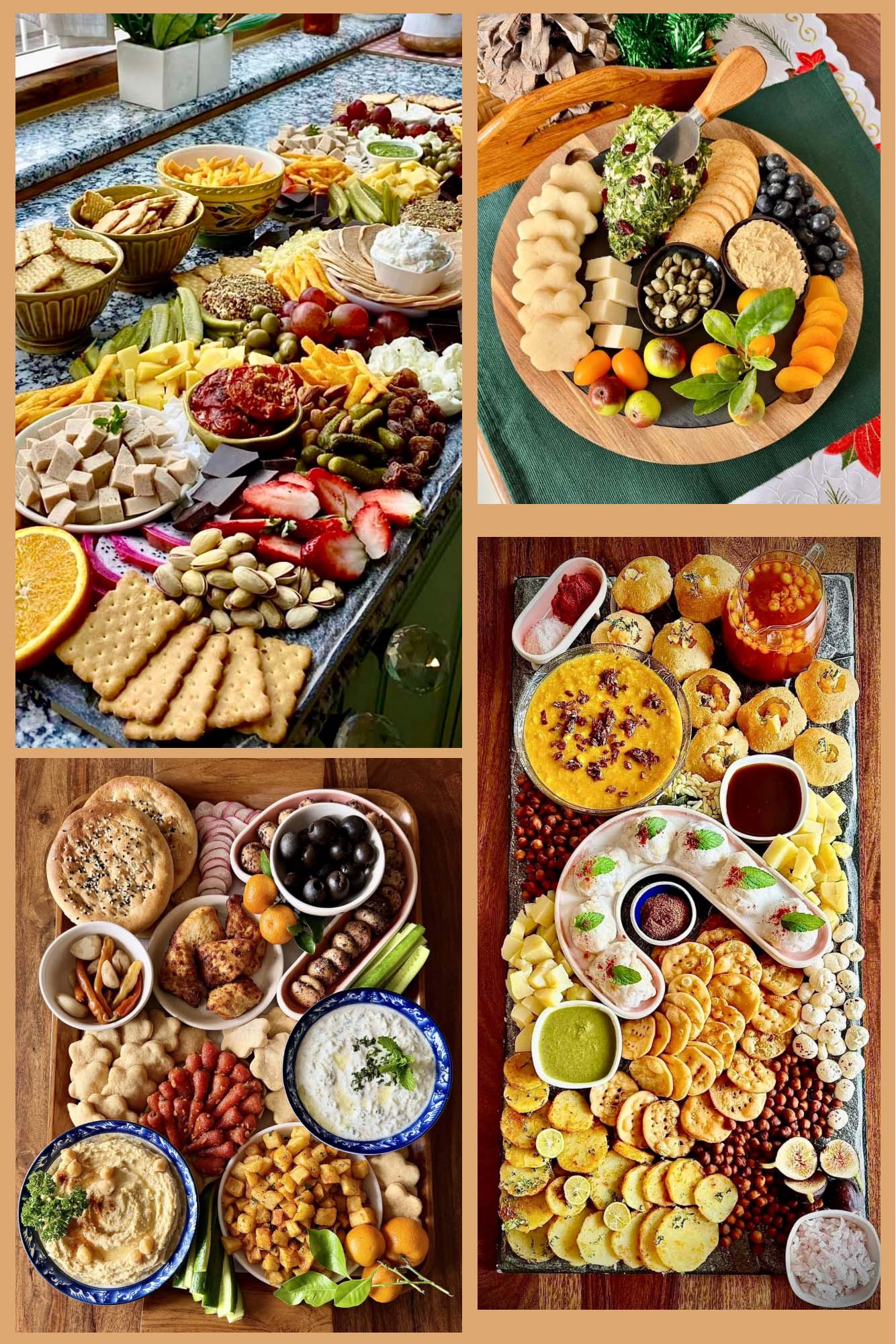
Walk into almost any party today and you’ll instantly spot the food board. It’s usually holding court right in the centre of the room, piled high with cured meats, sharp cheeses, seasonal fruits and a scattering of nuts and chocolates. Whether it’s styled with geometric precision or overflowing with rustic, messy charm, it does exactly what it’s meant to do. It makes people linger, chat and pick at food for hours.
We tend to think of this as a very modern, Instagram fueled trend. But using food as visual art isn’t new at all. Long before “charcuterie” and “grazing tables” became buzzwords, humans understood the power of a spectacular feast. If we look closely at the history of the modern food board, it’s actually a story about wealth, survival, and politics.
A Subtle Flex of Power – In ancient Greece, Rome, and Egypt, an elaborate food display was never just about feeding hungry guests. It was a political statement. Rulers and nobles used lavish banquets to show off their authority and prosperity. Tables literally groaned under the weight of exotic fruits and rare meats, carefully arranged to prove just how much abundance the empire controlled.
For visiting dignitaries, these feasts were a subtle, delicious reminder of who held the upper hand.
Luxury vs. Necessity – by the Middle Ages, how food was presented reflected the massive gap between the rich and commoners.
European aristocrats ate off magnificent wooden boards and trenchers piled with expensive delicacies. It was pure theatre, designed to reinforce social standing. A grand table sent the exact same message as a massive castle or a private army.
Meanwhile, for peasants and labourers, the communal food board was born out of pure practicality.
Workers in the fields would pool whatever simple provisions they had – bread, cured meats, local fruit and some homemade wine on a shared surface. It was the quickest, most efficient way to feed a crowd during long workdays. It built a deep sense of community.
Ditching the Formal Dining Room – by the 20th century, the concept crossed the Atlantic and shifted gears. As rigid, multi-course dinner parties started to feel a bit stuffy, American hosts began favouring shared platters.
It completely changed the vibe of entertaining.
Instead of being stuck in one seat all night, guests could move around, mingle, and graze at their own pace. Food became less about formal ceremony and more about actually connecting socially.
The Indian Twist – Today, the grazing table has taken on a completely different, highly localised identity in India. Instead of just copying the Western blueprint of imported brie and prosciutto, the local hosts and caterers are using the format to celebrate regional flavours.
Step up to a modern Indian grazing table and you’re just as likely to find a spread of gourmet kebabs, crisp mathris, spiced nuts and artisanal chutneys alongside the classic cheeses. The canvas might be global, but the flavours are entirely homegrown.
Why It Sticks Around – thousands of years after the ancient Romans threw their wild banquets, the core of human nature hasn’t changed all that much. We still use food to celebrate, to impress and to bring people together.
So the next time you’re standing by a grazing table awkwardly trying to balance a plate, a drink and a conversation, just remember that you’re participating in a ritual that’s survived empires.
(Yasmin Rahul Bakshi is an accomplished senior consultant Chef and a food historian. A widely travelled Army wife from the Mussoorie hills with exposure to international cuisines & preserving recipes with the medium of food photography and digital content creation in the form of stories.)